
Related Post
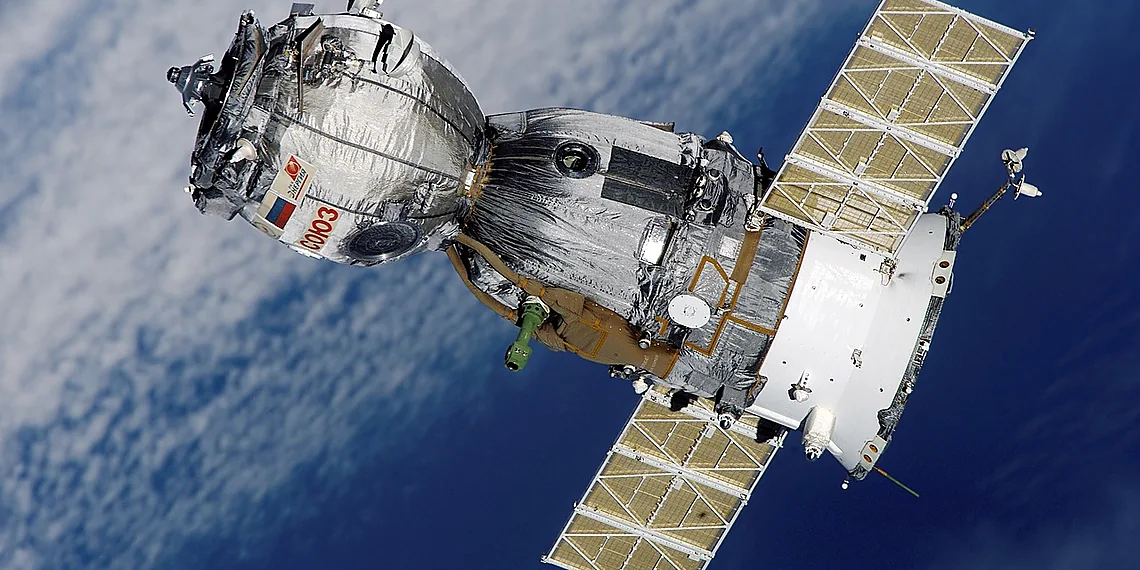
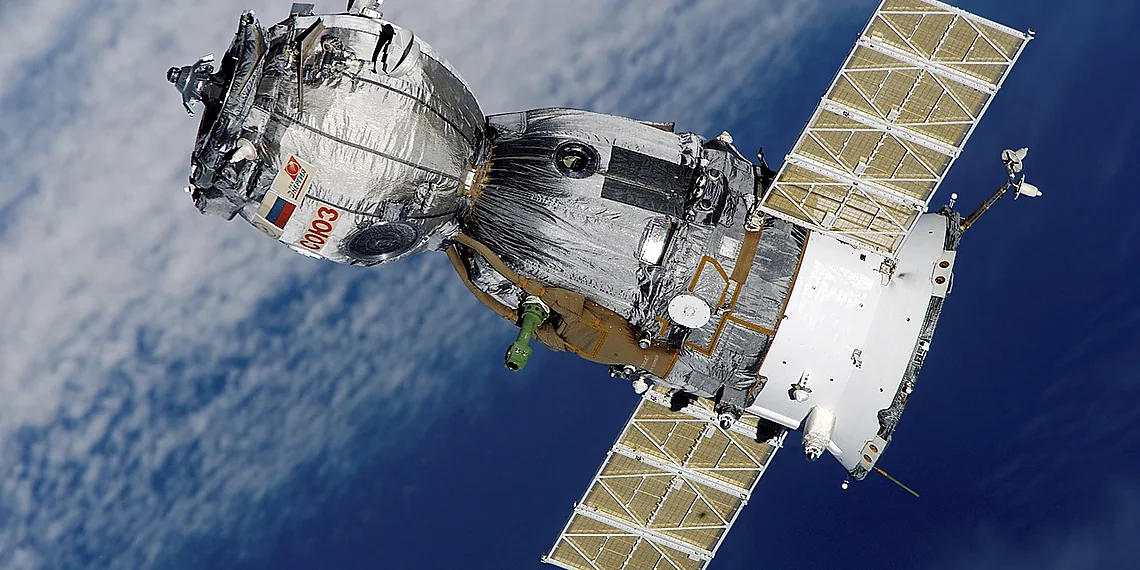
The cosmos just got a little more connected thanks to a recent, flawlessly executed launch from Tanegashima Space Center! Japan has once again proven its prowess in space exploration, sending a vital resupply mission hurtling towards the International Space Station. This isn’t just another delivery; it marks a significant step forward in ensuring the continued operation of this crucial orbital laboratory.
For years, reliable and consistent access to the ISS has been paramount for scientific advancement and international cooperation, and Japan is steadily solidifying its position as a key player in that effort. The latest mission, featuring a sophisticated Japanese cargo spacecraft, carries essential supplies, equipment, and even experiments destined for astronauts working high above Earth.
This successful launch underscores Japan’s commitment to not only advancing its own space technology but also contributing meaningfully to the global community’s reach beyond our planet. It represents another chapter in a story of collaboration, innovation, and pushing the boundaries of what’s possible in low Earth orbit.
The H3 Rocket: Powering Japan’s Ambitions
The successful launch of Japan’s flagship H3 rocket marks a pivotal moment for the nation’s space program, and crucially, enables the inaugural mission of their new cargo spacecraft to the International Space Station. Unlike its predecessor, the H2A, the H3 represents a significant leap forward in Japanese rocketry, designed to be more cost-effective and capable of handling larger payloads – essential for expanding Japan’s role in space exploration.
Several key engineering breakthroughs define the H3’s advancements. The rocket incorporates a new solid rocket booster design that increases thrust at liftoff, while its second stage utilizes an improved engine offering higher performance and efficiency compared to previous models. These enhancements collectively allow the H3 to deliver heavier payloads to higher orbits – vital for deploying larger satellites or, as in this instance, sending robust cargo spacecraft like the one currently en route to the ISS.
Beyond simply carrying more weight, the H3’s architecture is designed with future flexibility and scalability in mind. Its modular design allows for easier upgrades and adaptations for diverse mission profiles, paving the way for ambitious projects beyond resupplying the ISS. This includes potential lunar exploration missions and further expansion of Japan’s satellite constellation, solidifying their position as a key player in international space endeavors.
The H3’s capabilities aren’t just about what it can carry; they represent a renewed commitment to Japanese space independence and innovation. With this powerful launch vehicle now operational, Japan is better positioned than ever before to pursue its long-term goals in space – from scientific discovery to contributing vital resources for continued human presence beyond Earth.
Engineering Breakthroughs & Capabilities
The H3 rocket represents a significant leap forward for Japan’s space program, boasting several key engineering breakthroughs compared to its predecessor, the H2A. A major improvement lies in its engine design; the first stage utilizes two GE-F140 engines derived from General Electric’s F140 turbofan used on Boeing 747 aircraft, offering increased thrust and improved fuel efficiency. The second stage incorporates a new Linear Tank Engine (LE-5B) which is more powerful than previous models while also being lighter. These advancements collectively allow the H3 to deliver substantially heavier payloads – up to 21 tons to Low Earth Orbit (LEO), a considerable increase over the H2A’s capacity.
Beyond raw power, the H3 incorporates design features aimed at enhanced reliability and reduced complexity. The rocket utilizes a simplified structure with fewer components, reducing potential failure points and streamlining manufacturing processes. A key innovation is the ‘separation system,’ which allows for cleaner stage separation, minimizing debris and optimizing trajectory control. Furthermore, the H3’s modularity facilitates easier integration of various payload types and future upgrades, making it adaptable to evolving mission requirements.
The successful launch of the H3, carrying the cargo spacecraft, marks a crucial turning point for Japan’s space ambitions. It enables more frequent and substantial resupply missions to the International Space Station, reducing reliance on other nations’ launch services. Looking ahead, the H3 will be instrumental in supporting future Japanese lunar exploration projects, including sample-return missions, and potentially even enabling ambitious deep-space probes. Its increased capabilities open doors for larger scientific instruments and more complex experiments, solidifying Japan’s role as a key player in international space endeavors.
Introducing ‘Kounotori 8’: The Cargo Specialist
The recent successful launch of Japan’s H3 rocket wasn’t just a milestone for rocketry; it also carried ‘Kounotori 8,’ marking the debut of a significantly upgraded Japanese cargo spacecraft designed to provide vital resupply services to the International Space Station. Kounotori, which translates to ‘white bird,’ has long been a crucial partner in keeping the ISS operational, and this latest iteration represents a substantial leap forward in both capability and efficiency. This new generation promises more reliable and robust support for astronauts living and working hundreds of miles above Earth.
Kounotori 8 boasts several key design improvements over its predecessors. The spacecraft features an increased cargo capacity, allowing it to transport significantly larger payloads – roughly seven tons – to the ISS. A critical aspect of its design is a focus on modularity; internal compartments can be reconfigured to accommodate various types of equipment and supplies, from food and water to scientific experiments and spare parts. This adaptability ensures Kounotori 8 can meet the evolving needs of the station’s crew.
The automated delivery system is another area where Kounotori 8 shines. Utilizing advanced sensors and navigation technology, the spacecraft autonomously navigates towards the ISS and executes a precise docking maneuver without direct human control from Earth. This autonomous capability not only increases safety but also frees up ground controllers to focus on other critical mission operations. The entire process, from initial approach to secure docking, is meticulously choreographed for maximum precision and minimal risk.
Beyond simply delivering cargo, Kounotori 8 incorporates advancements aimed at improving overall operational efficiency. This includes optimized propulsion systems that reduce fuel consumption during the journey and enhanced thermal management capabilities to protect sensitive equipment. The successful deployment of Kounotori 8 underscores Japan’s continued commitment to international space collaboration and solidifies its role as a key contributor to the ongoing exploration and utilization of low Earth orbit.
Design & Delivery System
The Kounotori 8, meaning ‘White Bird’ in Japanese, represents a significant advancement in Japan’s contribution to International Space Station (ISS) resupply efforts. Unlike some cargo spacecraft that rely on propulsion for orbital adjustments and docking, the Kounotori utilizes a unique ‘velocity adjustment module’ (VAM). This VAM allows the spacecraft to make precise course corrections using small thrusters over several days after launch, enabling it to gradually match its orbit with the ISS without requiring large amounts of propellant. This fuel-saving approach extends the overall cargo capacity available for delivery.
A key feature of the Kounotori 8 is its automated docking system. After separating from the H3 rocket, the spacecraft autonomously navigates towards the ISS using a combination of GPS, star trackers, and radar to precisely determine its position and trajectory. This automated process minimizes risk and reduces reliance on ground control intervention during the critical approach and docking phases. The VAM also plays a role here; it facilitates fine-tuning of the Kounotori’s orbit for optimal rendezvous conditions.
The spacecraft’s design prioritizes cargo security and efficient unloading. It can carry approximately 7 tons of supplies, including food, water, spare parts, and scientific equipment. Upon docking, robotic arms on the ISS are used to extract the cargo, leaving the Kounotori’s propulsion module (VAM) attached for a period. This allows for potential future uses like debris removal or further orbital experiments before its controlled re-entry into Earth’s atmosphere.
International Collaboration & Future Missions
The successful launch of Japan’s H3 rocket, carrying its new cargo spacecraft, marks a pivotal moment not just for Japan’s space program, but also underscores the vital nature of international collaboration in maintaining the International Space Station (ISS). The ISS itself is a testament to decades of cooperative effort between multiple nations – the United States, Russia, Europe, Canada, and Japan – pooling resources, expertise, and technological advancements. This latest mission reinforces that commitment, demonstrating how shared goals and mutual dependence are essential for pushing the boundaries of space exploration and ensuring the long-term viability of orbital research platforms.
Japan’s contribution to the ISS has been consistently significant, providing crucial support in areas ranging from robotic technology to life sciences. The new cargo spacecraft, designed as a successor to the HTV series, builds upon this legacy by offering enhanced capabilities for resupply and experimentation aboard the station. This collaboration isn’t merely about delivering supplies; it’s about sharing lessons learned, refining technologies collectively, and ultimately reducing the burden on any single nation involved in maintaining the ISS – fostering resilience against unforeseen challenges or resource limitations.
Looking ahead, Japan is committed to continuing its role as a reliable partner in ISS support. Future missions will likely involve further refinement of the cargo spacecraft’s capabilities, potentially including increased payload capacity and more sophisticated robotic arms for external operations on the station. Beyond the current ISS program lifespan, JAXA (Japan Aerospace Exploration Agency) is also exploring concepts for future commercial space transportation services, positioning Japan as a key player in the evolving landscape of orbital logistics and potentially supporting lunar or deep-space missions in the years to come.
The ongoing partnership exemplified by this launch isn’t just about hardware; it’s about building trust and fostering scientific exchange. Data gathered from these cargo missions contributes to a broader understanding of space environment effects on materials, biological systems, and human health – benefiting all participating nations. As we move towards increasingly complex off-world endeavors, the model of international cooperation demonstrated through Japan’s contributions will remain crucial for success.
A Partnership in Space
The launch of Japan’s new cargo spacecraft, carried by the H3 rocket, marks a significant strengthening of Japan’s partnership with other nations involved in the International Space Station (ISS) program. For over two decades, JAXA (Japan Aerospace Exploration Agency) has been a vital contributor to ISS operations, primarily through its HTV series of cargo ships. This new spacecraft represents an evolution of that commitment and builds upon existing collaborative relationships with NASA, ESA, CSA, and Roscosmos.
Shared resources and expertise are central to the success of the ISS. Japan’s contributions extend beyond simply delivering supplies; they include advanced robotics (like Kibo, the Japanese Experiment Module) and logistical support crucial for maintaining the station’s functionality. The latest cargo mission allows for a more efficient distribution of materials and equipment, reducing reliance on other nations’ resources and fostering interdependence within the ISS partnership. This shared burden also translates to cost savings for all participating agencies.
Looking ahead, Japan intends to continue its role as a reliable provider of cargo transport services to the ISS. While the HTV series has concluded, this new spacecraft represents a next-generation solution, incorporating lessons learned from previous missions and integrating updated technologies. This ongoing commitment underscores Japan’s dedication to international space exploration and reinforces its position as a key partner in sustaining human presence in low Earth orbit.
Beyond Supplies: The Long-Term Vision
The successful launch of Japan’s H3 rocket, carrying its new cargo spacecraft – a critical milestone in the nation’s space program – signals more than just a resupply mission to the International Space Station. While delivering essential supplies and experimental payloads is paramount for maintaining ISS operations, this event represents a significant step towards establishing robust and autonomous logistics capabilities that extend far beyond Earth orbit. The development of these spacecraft, particularly their advanced automated docking and robotic arm manipulation systems, lays crucial groundwork for more ambitious future endeavors.
Looking ahead, the technologies demonstrated by this Japanese cargo spacecraft mission have profound implications for lunar and Martian exploration. Transporting materials to the Moon or Mars presents vastly different challenges than servicing the ISS; requiring significantly greater payload capacity, enhanced propulsion systems for longer transit times, and even more sophisticated autonomous navigation capabilities. The lessons learned in designing, building, and operating these resupply vehicles – specifically regarding reliability, radiation hardening, and resource utilization – are directly applicable to developing cargo transport solutions for deep space missions.
Imagine a future where robotic cargo ships regularly ferry construction materials, scientific equipment, and even precursor habitats to lunar outposts or Martian bases. This isn’t science fiction; it’s a logical progression enabled by the iterative advancements we see today. The Japanese cargo spacecraft program is actively contributing to this vision by refining the core technologies required for such operations – autonomous navigation in complex environments, efficient resource management in space, and the ability to handle delicate scientific instruments without direct human intervention.
Ultimately, the long-term vision surrounding these advanced logistics systems isn’t just about supporting astronauts; it’s about enabling sustained presence and expansion across our solar system. By establishing a reliable network of cargo transport vehicles, we can dramatically reduce the cost and complexity of future space exploration initiatives, paving the way for humanity to become a truly interplanetary species.
Japan’s commitment to space exploration has consistently proven invaluable, and its contributions through the H-II Transfer Vehicle, now known more broadly as a Japanese cargo spacecraft, represent a pivotal chapter in that story.
From delivering vital supplies and research equipment to conducting groundbreaking experiments aboard the International Space Station, these missions have demonstrably strengthened our collective ability to push the boundaries of scientific discovery and maintain a continuous human presence in low Earth orbit.
The ingenuity demonstrated in developing reusable technologies and innovative cargo handling systems underscores Japan’s forward-thinking approach to space logistics, setting a benchmark for efficiency and reliability within international partnerships.
Looking ahead, we can anticipate even greater advancements as Japanese engineers continue to refine their capabilities and explore new avenues for orbital resource utilization and potential lunar missions – all building upon the established foundation of dependable cargo delivery services. The future of collaborative space endeavors is bright, fueled by shared expertise and a dedication to progress beyond our planet’s atmosphere. The success we’ve seen so far with the Japanese cargo spacecraft illustrates this perfectly well, offering a model for other nations seeking to contribute meaningfully to deep-space exploration. We are truly entering an era of unprecedented international cooperation in space, and Japan is leading the charge with remarkable innovation and steadfast resolve. It’s inspiring to witness how these efforts ultimately benefit all humankind through scientific breakthroughs and technological advancements that ripple across industries here on Earth as well. This ongoing commitment promises even more exciting developments on the horizon, solidifying Japan’s position as a key player in shaping our future amongst the stars.
Continue reading on ByteTrending:
Discover more tech insights on ByteTrending ByteTrending.
Discover more from ByteTrending
Subscribe to get the latest posts sent to your email.