
Imagine a world where machines aren’t just assembling cars or packaging goods, but wielding paintbrushes and sculpting clay – that future is rapidly becoming reality.
The lines between automation and artistic expression are blurring in fascinating ways, as engineers and artists collaborate to explore uncharted creative territory.
We’re witnessing the birth of something truly novel: a fusion of precision engineering and boundless imagination, leading to a burgeoning field we can now recognize as robotic art.


Consider WORM robots, these quirky, worm-like machines that autonomously navigate spaces and create intricate drawings – they’re just one compelling example demonstrating this powerful intersection of technology and artistry. These aren’t your typical industrial automatons; they’re collaborators in the creative process, responding to environments and generating unique outputs each time they operate. It represents a significant shift from traditional automation, where robots execute pre-programmed tasks, towards collaborative artistic endeavors where machines augment human creativity or even generate art independently. The possibilities are as limitless as the imagination itself.
Understanding Conversational Programming
The evolution of machining has largely followed a predictable path: from the skilled hands of artisans wielding manual tools to the precisely controlled movements dictated by Computer Numerical Control (CNC) systems. Manual methods, while allowing for incredible artistry and flexibility, demand significant expertise and are often slow. CNC, on the other hand, excels in repeatability and accuracy but requires intricate programming – typically involving lines of code representing every single movement. Now, a fascinating middle ground is emerging: conversational programming, particularly as it’s being leveraged by collaborative robots like WORM to unlock new possibilities for robotic art.
So, what exactly *is* conversational programming? Imagine teaching someone how to draw a spiral. You wouldn’t dictate the precise coordinates of every point; instead, you might explain the basic principle – “start here, gradually rotate and extend.” Conversational programming operates on a similar concept. Instead of writing low-level code that directly controls each motor movement, operators define high-level instructions or patterns—like describing a radial pocket milling pattern—and the system extrapolates those into the detailed machine instructions. It’s akin to having a conversation with the robot about what you want it to do, rather than writing a complete script.
This contrasts sharply with traditional CNC programming, which often requires specialized engineers and can be incredibly time-consuming. With conversational programming, even less experienced users can create complex programs by building upon simple examples. For instance, an operator might define the parameters for a single cut – depth, speed, tool diameter – and then instruct the system to repeat that pattern across a surface, modifying it as needed. This iterative approach fosters experimentation and allows for artistic expression that would be difficult or impossible with purely code-driven systems.
The beauty of this technology lies in its accessibility and potential for creative exploration. By lowering the barrier to entry for robotic control, conversational programming empowers artists and makers to push the boundaries of what’s possible, as demonstrated by WORM’s ability to automate intricate artistic processes. It represents a shift towards more intuitive human-robot collaboration, where robots become partners in the creative process rather than simply automated machines.
From Manual to CNC: The Automation Spectrum
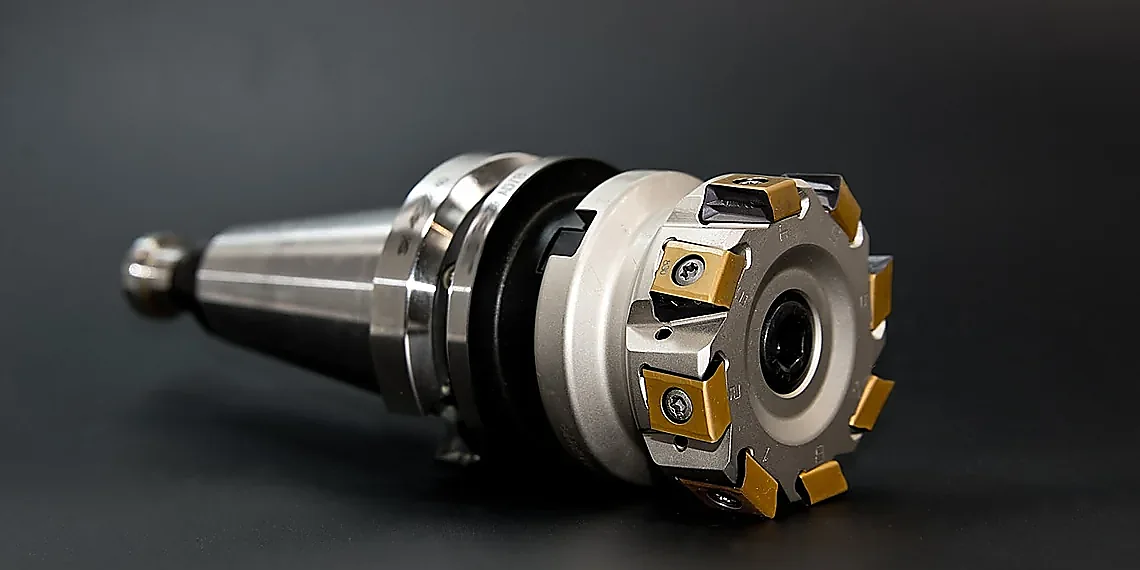
Historically, machining began entirely manually, relying on skilled artisans wielding hand tools like chisels and lathes to shape materials. This approach demanded significant expertise and was inherently slow and limited in complexity. The industrial revolution brought about powered machinery, but early versions still required substantial manual intervention for adjustments and design modifications.
The advent of Computer Numerical Control (CNC) systems marked a major leap forward. CNC machines use pre-programmed instructions – typically written in G-code – to control every aspect of the machining process with high precision and repeatability. While incredibly powerful, writing and debugging complex G-code programs requires specialized programming knowledge, creating a barrier for many users and limiting design flexibility.
Conversational programming emerges as an accessible bridge between manual operation and full CNC coding. Instead of writing lines of code, operators describe the desired outcome in natural language or through visual representations – like specifying a radial pattern for a milled pocket. The system then translates these instructions into machine commands, allowing users with less programming expertise to create complex designs and automate processes.
What is Conversational Programming?

Conversational programming represents a significant shift from traditional coding approaches, particularly when compared to complex CNC (Computer Numerical Control) systems. Instead of requiring users to write lengthy lines of code filled with precise coordinates and instructions, conversational programming allows for program creation through a more interactive process. Think of it like teaching someone how to bake – you don’t need to explain every chemical reaction or intricate detail; instead, you demonstrate a basic recipe (like a simple circle) and then guide them on how to modify it (making the circle larger, adding another circle next to it, etc.). Conversational programming operates similarly.
The core concept revolves around establishing initial ‘patterns’ – simple geometric shapes, movements, or sequences. The system then extrapolates from these patterns based on user input and adjustments. For example, an operator might define a radial pattern for milling a pocket. Then, through conversational prompts (hence the name), they can easily instruct the robot to repeat that pattern multiple times, change its size, or alter its orientation without needing to rewrite the entire program. This iterative process greatly simplifies the creation of complex designs.
This approach lowers the barrier to entry for robotic programming significantly. While CNC coding demands a deep understanding of machine language and coordinate systems, conversational programming allows individuals with less technical expertise – like artists or machinists focused more on design than code – to directly influence how robots operate and create. This democratization of control is key to enabling innovations like the WORM collaborative robots, which are being used to automate artistic processes previously requiring significant manual labor.
Introducing WORM: The Collaborative Robot Artist
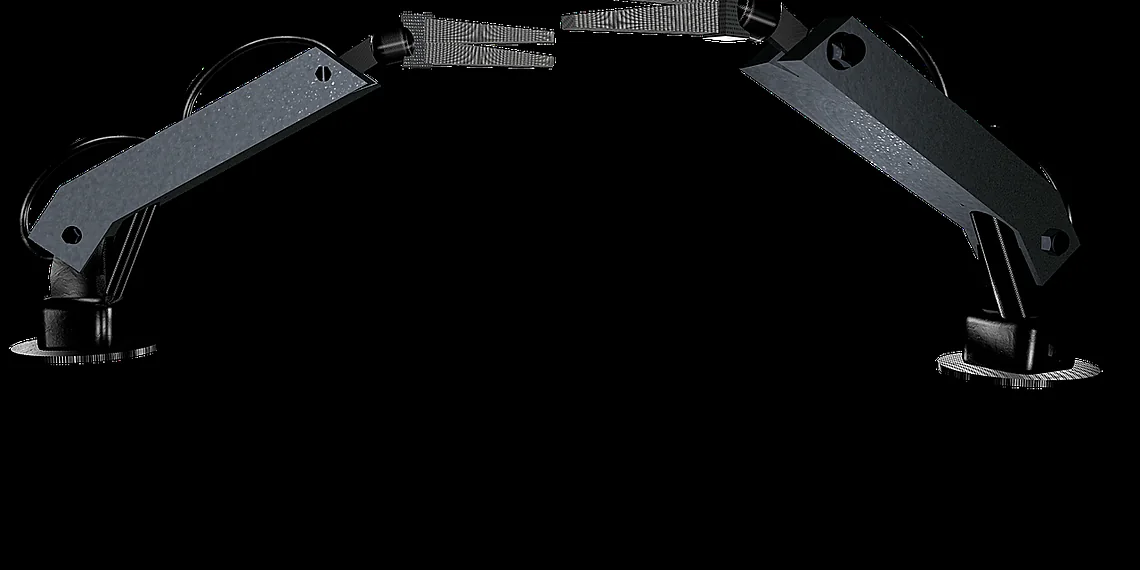
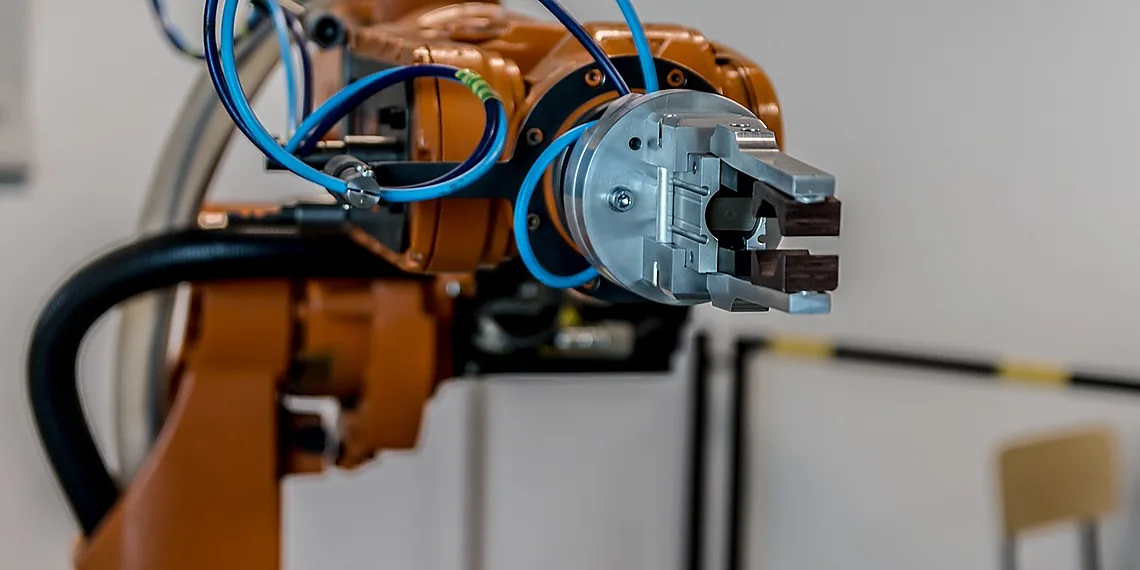
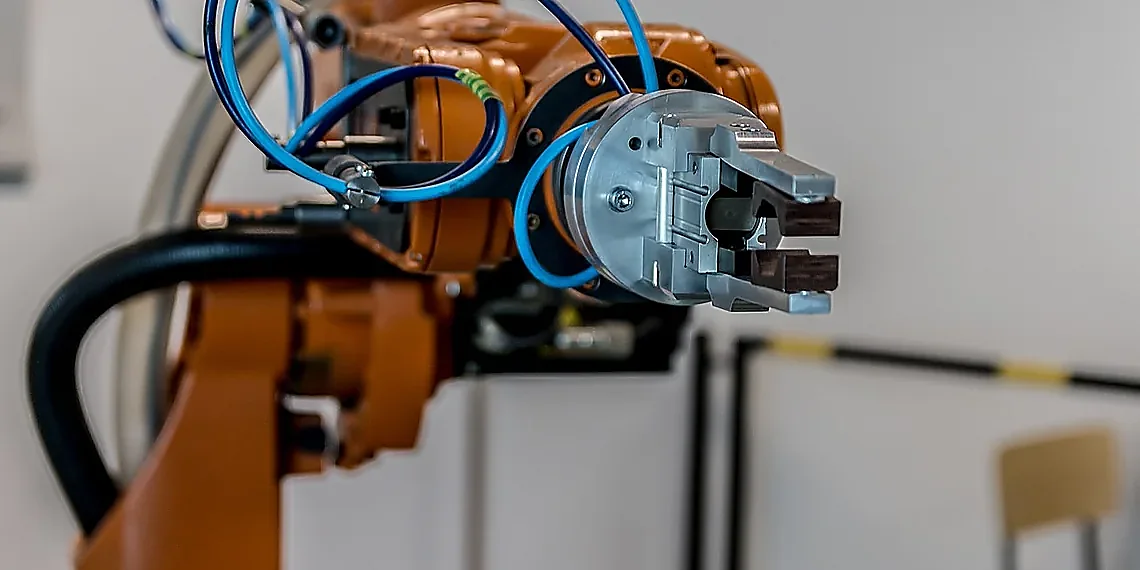
WORM, short for “Working On Robotic Machines,” represents a fascinating intersection of robotics and artistic expression. These aren’t your typical industrial arms; they’re collaborative robots, or cobots, specifically designed to work *with* humans in creative processes. Visually, WORM units resemble modular robotic arms, often featuring multiple joints and adaptable end effectors – the tools they use to interact with materials. Their design prioritizes safety, allowing them to operate alongside artists without requiring extensive protective barriers, a crucial factor for fostering collaboration. Unlike traditional robots programmed with rigid code, WORM’s conversational programming approach allows for intuitive control and iterative refinement of artistic movements.
The core functionality of WORM lies in its ability to translate creative intent into physical action. Artists can use simple gestures or sketches as starting points, and the robot’s software extrapolates these inputs into complex robotic motions. This “conversational” aspect means artists don’t need extensive robotics expertise; they can focus on the artistic vision while the WORM handles the precise execution. Furthermore, WORM robots are equipped with force sensors that allow them to respond dynamically to changes in material resistance or artist input – a feature enabling nuanced and unpredictable creative outcomes. The modular design also facilitates customization, allowing artists to swap out end effectors for different tools like brushes, pens, chisels, or even spray nozzles, broadening the range of artistic mediums they can explore.
Beyond simply automating repetitive tasks, WORM robots are actively *enabling* new forms of artistic exploration. Imagine creating intricate layered paintings with varying pressure and speed across a large canvas – a feat challenging for human artists but readily achievable with WORM’s precision and repeatability. Artists can also leverage the robot’s ability to combine multiple movements simultaneously, generating dynamic textures and patterns impossible to achieve manually. This opens up pathways to explore generative art, kinetic sculpture, and other experimental forms that push the boundaries of traditional artistic disciplines.
Ultimately, WORM robots aren’t meant to replace human artists; they are designed as powerful creative partners. They democratize access to advanced robotic capabilities, allowing artists with diverse skill sets to experiment with new techniques and realize ambitious visions. The combination of precise control, collaborative operation, and adaptable tooling makes WORM a unique platform for pushing the boundaries of what’s possible in robotic art – blurring the lines between technology and artistry.
Design & Functionality
WORM (Weaving Object Robot) robots are physically characterized by their modular, articulated arm design. Each robot typically consists of six joints allowing for a wide range of motion and flexibility. Unlike traditional industrial robotic arms that often appear bulky and utilitarian, WORM’s aesthetic prioritizes a clean, almost organic form factor, intended to encourage interaction and collaboration with human artists. The robots are relatively compact, designed to fit within standard studio spaces while still offering sufficient reach and workspace.
The core functionality of WORM revolves around its collaborative operation—hence the ‘cobot’ designation. Equipped with force sensors in each joint, WORM can detect subtle changes in pressure and adjust its movements accordingly. This allows artists to physically guide the robot’s actions, blending human intention with robotic precision. They are also programmed with a unique ‘weaving’ algorithm which enables them to create intricate patterns and layered designs by repeatedly passing tools across a surface.
Adaptability is another key feature of WORM robots. While pre-programmed routines exist for common artistic tasks like carving or painting, the system’s modularity allows artists to easily swap out end effectors – the tools attached to the robotic arm – to accommodate diverse materials and techniques. This could range from traditional sculpting tools to specialized digital pens or even custom-built instruments, expanding the scope of possible creative output beyond what’s achievable with conventional methods.
Beyond Automation: Enabling Artistic Exploration
WORM collaborative robots are fundamentally changing how artists approach creation by offering a level of precision and repeatability previously unattainable with traditional methods. Unlike purely automated systems, WORM’s conversational programming allows artists to directly influence the robot’s movements and actions through intuitive commands, essentially ‘teaching’ it artistic techniques rather than simply assigning pre-defined tasks. This interaction opens doors to complex patterns, intricate details, and large-scale installations that would be incredibly challenging or impossible for a human artist to execute alone.
The robots’ unique design features contribute significantly to their artistic versatility. Equipped with multiple axes of movement and interchangeable end effectors – tools like pens, brushes, sprayers, and even sculpting implements – WORM can produce a wide range of visual effects. Artists can combine these tools in creative ways, layering textures, colors, and forms to achieve highly personalized results. The ability to precisely control the robot’s speed, pressure, and trajectory provides an unprecedented level of nuanced expression.
Beyond simple replication, WORM facilitates genuinely new artistic exploration. Artists are using the robots to investigate generative art processes, creating evolving patterns based on algorithmic rules or environmental data. They’re also employing WORM for large-scale collaborative projects, where multiple robots work in concert to produce artworks far exceeding individual human capabilities – blurring the lines between human and machine creativity and pushing the boundaries of artistic possibility.
The Intersection of Technology and Art
The emergence of robotic art, exemplified by projects like the WORM collaborative robots featured on the Arduino Blog, is more than just a novelty; it signals a profound shift at the intersection of technology and artistic practice. These ‘cobots,’ designed to work alongside humans, aren’t simply replicating existing artworks – they’re actively participating in the creative process itself. This raises fundamental questions about what constitutes art, who or what can be considered an artist, and how we value originality in a world where machines are capable of generating increasingly complex and aesthetically compelling outputs.
The implications for artistic practices across various disciplines are significant. Traditional roles such as sculptor, painter, or designer may evolve to incorporate the skillset of ‘robot wrangler’ – someone who programs, guides, and collaborates with these automated systems. This doesn’t necessarily replace human artists; rather, it offers a new palette of tools and techniques that can expand creative possibilities. We might see increased experimentation in forms and processes previously limited by physical strength or precision, unlocking entirely new artistic expressions.
Beyond the fine arts, robotic art holds immense potential for revolutionizing other creative industries. Imagine architecture designed with cobots capable of optimizing structural integrity while incorporating unique aesthetic flourishes, or product design where personalized manufacturing is driven by algorithms that respond to individual customer preferences and material constraints. The ability to rapidly prototype and iterate on designs using robotic assistance could accelerate innovation cycles and lead to a new era of bespoke creation.
Ultimately, the rise of robotic art forces us to reconsider our understanding of creativity itself. Can a machine genuinely ‘create,’ or is it merely executing pre-programmed instructions? While current systems rely heavily on human input – whether through algorithmic design or curated datasets – ongoing advancements in artificial intelligence and machine learning suggest that robots may one day possess a degree of autonomy in their creative endeavors, blurring the lines between human and machine ingenuity and prompting us to redefine what it means to be an artist.
Redefining Creativity in the Age of AI & Robotics
The emergence of collaborative robots (cobots) in artistic creation is prompting a fundamental re-evaluation of authorship and creativity. Traditionally, artistic expression has been intrinsically linked to human intention, skill, and emotional input. However, systems like the WORM robotic arm from Arduino demonstrate machines capable of generating intricate patterns and artworks based on programmed parameters and user interaction – blurring the lines between human direction and machine execution. This challenges the conventional understanding of who or what can be considered an ‘artist,’ forcing us to consider the role of algorithms and robotics in the creative process.
A key debate surrounding robotic art centers on whether a robot can genuinely be ‘creative.’ While cobots like WORM excel at executing complex tasks with precision and potentially generating novel visual outputs, critics argue that true creativity requires originality, emotional depth, and conceptual understanding – qualities currently absent in artificial intelligence. However, proponents suggest that the human programmer’s choices in defining parameters, selecting algorithms, and interpreting the robot’s output contribute significantly to the final artwork, effectively making it a collaborative creative endeavor.
The rise of robotic art isn’t simply about replacing human artists; it represents an evolution in artistic practice. It opens up new avenues for exploration, allowing humans to leverage robotic precision and repeatability to realize ambitious projects that would be impossible or impractical through traditional means. This intersection of technology and artistry promises to redefine creative industries, potentially leading to hybrid roles combining technical expertise with artistic vision and a shift towards collaborative workflows between humans and machines.
Potential Applications & Future Trends
While initial applications of robotic art have largely focused on fine arts – painting, sculpture, even musical performance – the technology’s potential extends far beyond gallery walls. Architectural design could see cobots employed in generating complex building facades or intricate interior layouts, adapting designs based on environmental factors or structural constraints. Similarly, product designers can leverage robotic systems to explore unconventional forms and rapidly prototype iterations that would be difficult or impossible with traditional methods. Imagine a furniture designer using a robot to create unique chair backs informed by organic growth patterns.
Personalized manufacturing represents another significant avenue for robotic art integration. Rather than mass-produced goods, consumers could request customized designs – say, a vase sculpted to resemble a cherished pet or a lamp shade patterned after a favorite landscape – which would then be realized by a cobot. This shift moves beyond automation towards a form of creative co-creation where human vision and robotic precision converge to produce truly bespoke items. The accessibility afforded by relatively affordable cobots will likely fuel this trend.
Looking ahead, we can anticipate advancements in AI integration that further blur the lines between human intention and machine execution. Future robotic artists might learn from vast datasets of artistic styles, generating novel creations that synthesize influences while maintaining a distinct aesthetic signature. We may also see robots developing their own unique ‘artistic’ preferences or even collaborating with multiple humans simultaneously to produce complex, layered artworks – pushing the boundaries of both technology and our understanding of creative expression.
Challenges and Considerations
While the emergence of robotic art, particularly through systems like Arduino’s WORM collaborative robots, offers exciting possibilities for creative exploration, it’s crucial to acknowledge the challenges and considerations that accompany this technological advancement. The current cost and technical complexity associated with these cobots present significant barriers to entry for many artists. Acquiring a WORM robot isn’t simply about purchasing hardware; it requires understanding robotics principles, programming skills, and often, specialized tooling – a steep learning curve that limits accessibility primarily to those with existing technical expertise or substantial financial resources. This raises questions about equitable access and the potential for further stratification within the art world.
Beyond affordability, concerns arise regarding the preservation of artistic integrity in an increasingly automated creative landscape. The very essence of art often lies in the human element: the intentionality, emotion, and unique perspective that a creator brings to their work. While WORM robots can execute intricate designs with precision, questions linger about whether these creations truly represent ‘art’ or simply complex algorithmic outputs. Can a machine, however sophisticated, replicate the nuance and depth of feeling embedded in traditionally human-made art? Maintaining this crucial link between artistic expression and human skill is paramount as robotic tools become more prevalent.
Furthermore, the reliance on pre-programmed parameters and algorithms introduces potential limitations on genuine creative innovation. While operators can influence the process through conversational programming, the underlying framework remains defined by code. This begs the question: does robotic art risk becoming a form of highly specialized replication rather than truly groundbreaking artistic expression? It’s essential to foster environments where artists are encouraged to push the boundaries of these technologies, experimenting with unexpected inputs and developing novel approaches that transcend pre-defined limitations.
Finally, ethical considerations surrounding authorship and originality must be addressed. When a robot generates artwork based on human input and programming, who is considered the artist? The programmer? The operator? Or the machine itself? These questions have significant implications for copyright, intellectual property rights, and ultimately, our understanding of creativity in the age of artificial intelligence. Open discussions and evolving legal frameworks will be necessary to navigate these complex issues as robotic art continues to evolve.
Accessibility & Cost Barriers
Additional details forthcoming.
The Human Element: Maintaining Artistic Integrity
Additional details forthcoming.
Getting Started with WORM
So, you’re intrigued by the idea of robotic art and want to dive into WORM technology? Great! Getting started with these conversational programming collaborative robots might seem daunting at first, but Arduino has made it surprisingly accessible. The core concept behind WORM is allowing users—even those without extensive coding experience—to guide a robot through complex tasks simply by demonstrating the desired motion. Think of it as teaching a robot to create art by physically showing it what you want it to do; it learns from your actions and translates them into repeatable programs.
The primary learning path revolves around understanding the basics of collaborative robotics and then specifically how WORM leverages this for artistic creation. Arduino’s official documentation is an excellent starting point ([link to Arduino documentation]). It outlines the hardware components, software architecture, and fundamental principles behind WORM’s operation. Beyond that, several tutorials are available online demonstrating various art-making applications – everything from simple patterns to more intricate designs. Don’t be afraid to experiment! The beauty of WORM lies in its iterative nature; you can adjust parameters and refine the robot’s movements based on your artistic vision.
For those who prefer a community-driven approach, the Arduino forums ([link to Arduino forum]) are invaluable resources. You’ll find discussions about troubleshooting, project inspiration, and shared code snippets from fellow enthusiasts. Several YouTube channels also feature demonstrations of WORM in action, providing visual guidance on setting up the hardware and developing artistic workflows. Searching for ‘Arduino WORM tutorial’ will yield a wealth of helpful videos. Remember to check out the blog post itself ([link to Arduino Blog Post]) as it often contains updated information and project ideas.
Finally, consider exploring existing open-source projects that utilize WORM technology. Examining these examples can offer valuable insights into practical applications and advanced techniques. While a significant investment in hardware may be required initially (including the robot arm itself), the potential for creative expression is virtually limitless. With a little patience and experimentation, you too can unlock the exciting possibilities of robotic art with WORM.
Resources and Learning Materials
Additional details forthcoming.
Source: Read the original article here.
Discover more tech insights on ByteTrending ByteTrending.
Discover more from ByteTrending
Subscribe to get the latest posts sent to your email.