
The rumble of a semi-truck is synonymous with commerce, but also carries an undeniable weight – the responsibility for massive loads and the potential for significant risk on our roads. Trucking faces persistent challenges, from driver fatigue and distraction to increasingly complex traffic patterns, all contributing to a concerning accident rate that impacts everyone’s safety. The industry understands this reality, constantly seeking innovative solutions to mitigate these dangers and proactively protect both drivers and other road users. Recent data underscores the urgency; accidents involving large trucks often result in severe injuries or fatalities, demanding more than just reactive measures. We need a paradigm shift toward predictive prevention, and that’s where cutting-edge technology is stepping up to make a difference. A key area of focus now revolves around enhancing driver safety through intelligent systems. The stakes are high, and the pressure to improve is constant.
One compelling study from Virginia Tech Transportation Institute (VTTI) shed light on just how prevalent distracted driving is within the trucking sector, revealing startling insights into common causes of accidents. Their research highlighted the need for real-time intervention and automated assistance to address these issues effectively. Now, a new generation of dashcams isn’t just recording; they’re actively analyzing driver behavior and road conditions using artificial intelligence. Companies like Nauto are pioneering this technology, moving beyond simple video capture to offer sophisticated alerts and coaching tools aimed at preventing accidents before they happen. These AI-powered systems represent a significant leap forward in proactive safety measures.
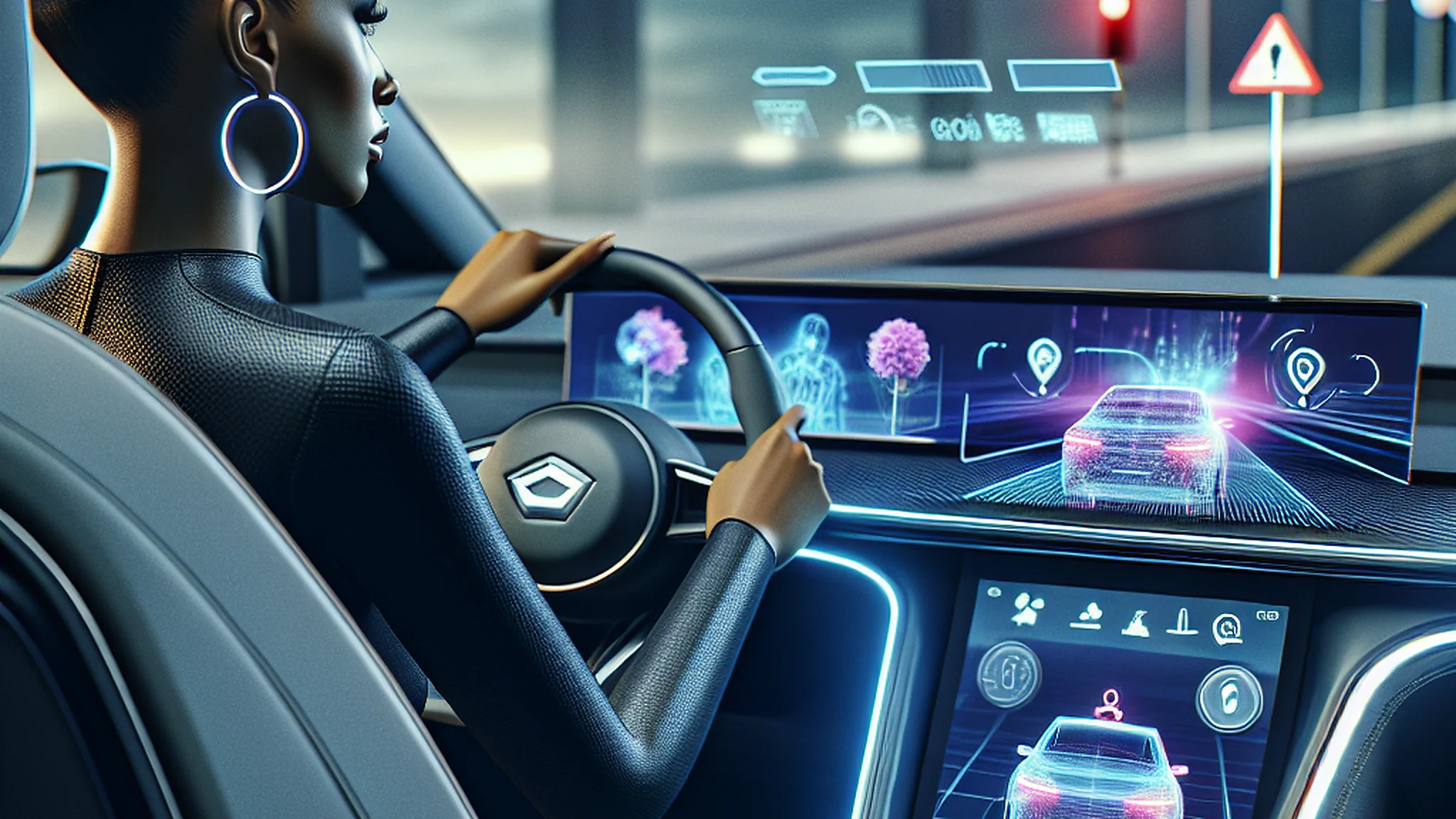
Imagine a dashcam that doesn’t just record an incident but anticipates it—warning the driver of potential hazards like tailgating or sudden braking, providing immediate feedback to correct unsafe behaviors. This isn’t science fiction; it’s becoming reality with the rise of AI dashcams. These systems are designed to work tirelessly in the background, constantly monitoring and learning, ultimately contributing to a safer environment for everyone on the road.
Related Post
How Nauto Works: Edge AI in Action
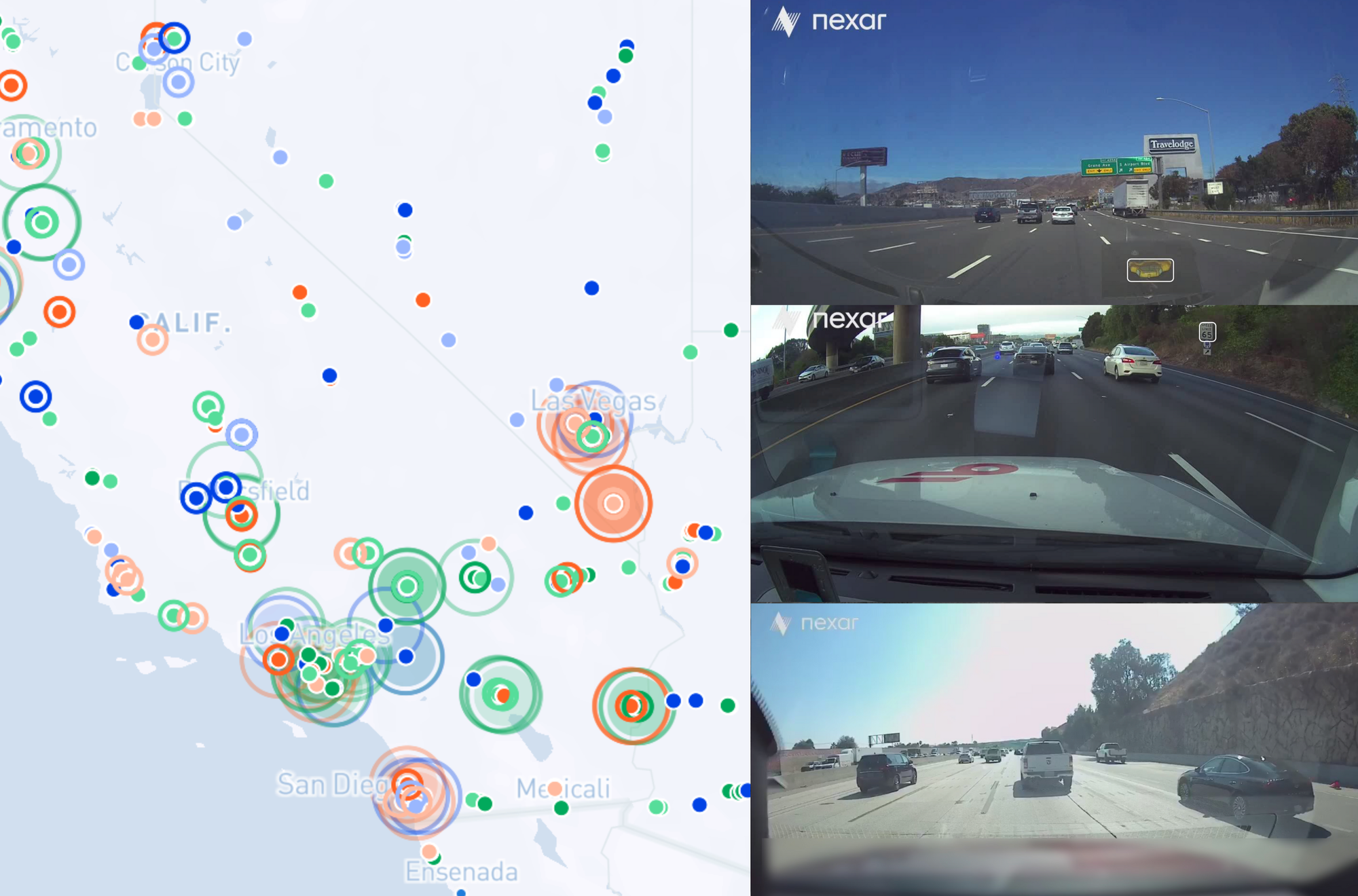
Nauto’s driver safety system isn’t just about cameras; it’s built on a sophisticated foundation of edge AI, which is what allows for incredibly rapid and reliable response times. Unlike systems that rely solely on sending video to the cloud for processing – a process prone to latency and connectivity issues – Nauto performs analysis directly within the vehicle itself. This ‘edge computing’ approach means decisions about potential hazards are made in milliseconds, allowing the system to immediately alert the driver or trigger preventative measures. Imagine trying to react to a pedestrian suddenly stepping into the road; cloud-based processing could introduce delays that compromise safety – edge AI eliminates that risk.
At the heart of Nauto’s hazard detection capabilities lie convolutional neural networks (CNNs). These specialized types of artificial intelligence excel at image recognition, and in this context, they’re trained to identify a wide range of risky driving behaviors. CNNs analyze video feeds from multiple cameras, looking for patterns that indicate potential dangers – things like driver distraction (e.g., phone use), following too closely (tailgating), or the presence of pedestrians, cyclists, or other vehicles in potentially hazardous situations. The network learns to recognize these patterns with remarkable accuracy, constantly refining its understanding through ongoing data analysis.
However, Nauto’s system goes beyond just analyzing camera feeds; it incorporates what’s known as ‘data fusion.’ This means combining information from various sources within the vehicle – not only video streams but also data points like speed, braking patterns, steering angles, and even engine diagnostics. By correlating these different data sets, Nauto can build a much more comprehensive picture of driving risk than any single sensor could provide on its own. For example, sudden hard braking combined with camera footage showing a pedestrian in the crosswalk provides stronger evidence of an imminent collision compared to either piece of information alone.
Ultimately, this integrated approach – edge AI processing power coupled with CNN-driven hazard detection and data fusion – is what allows Nauto’s system to proactively contribute to driver safety. By providing real-time alerts and insights based on a holistic understanding of the driving environment, Nauto empowers drivers to make safer decisions and helps fleets significantly reduce accident risk.
Edge Computing and Real-Time Analysis
Traditional cloud computing relies on sending data to remote servers for processing. In contrast, ‘edge AI’ refers to performing artificial intelligence computations directly within the device itself – in this case, inside the dashcam. Nauto’s system utilizes powerful processors embedded within the camera unit to analyze video feeds and sensor data locally, rather than transmitting it to a distant server.
This edge-based approach is critical for driver safety because it enables real-time responsiveness. The time delay inherent in sending data to the cloud and receiving instructions back can be too slow to prevent an accident. Edge AI allows Nauto’s system to instantly identify potential hazards like sudden braking, distracted driving, or approaching pedestrians and alert the driver immediately.
While cloud processing offers advantages for long-term data storage and analysis (e.g., identifying recurring safety trends across a fleet), it’s fundamentally unsuitable for critical, immediate responses needed in a dynamic driving environment. Nauto’s design prioritizes low latency – the minimal delay between an event occurring and the system reacting – which is only achievable through edge computing.
Convolutional Neural Networks for Hazard Detection
At the core of Nauto’s driver safety system lies a sophisticated network of convolutional neural networks (CNNs). These CNNs are specifically trained to identify potential hazards in real-time video feeds from multiple cameras within the vehicle. Unlike traditional image recognition, CNNs excel at analyzing visual data by automatically learning hierarchical features – recognizing edges and shapes initially, then combining those into more complex patterns like faces, vehicles, or road signs.
The hazard detection process involves several specialized CNNs working in concert. One network might be trained to identify distracted driving behaviors (e.g., a driver looking at their phone), while another focuses on following distance and tailgating risks. Yet another is dedicated to detecting pedestrians and cyclists, particularly those unexpectedly entering the roadway. These networks are constantly analyzing incoming video data, generating alerts for the driver when potentially dangerous situations are detected.
The power of Nauto’s system comes from its ability to fuse the outputs of these multiple CNNs, along with sensor data like radar and GPS. This fusion allows the system to create a comprehensive understanding of the driving environment, significantly reducing false positives and increasing the accuracy of hazard detection – ultimately contributing to improved driver safety.
Data Fusion: Combining Vehicle Diagnostics & Camera Data
Nauto’s driver safety system doesn’t rely solely on camera feeds; it leverages a sophisticated process called data fusion to build a holistic understanding of the driving environment and driver behavior. This involves integrating real-time data from multiple vehicle sensors, including onboard diagnostics (OBD) systems that report metrics like speed, braking force, and steering angle. Simultaneously, high-resolution cameras capture video footage of the road ahead, surrounding vehicles, pedestrians, and even the driver’s state.
The true power of Nauto’s approach lies in how this disparate data is combined. The system doesn’t just look at camera images or OBD readings individually; it correlates them. For example, a sudden deceleration detected by the OBD might be flagged as potentially dangerous, but if the camera simultaneously captures an unexpected pedestrian crossing the street, the risk assessment increases significantly. This contextualization allows for more accurate identification of genuine hazards versus false positives caused by routine driving maneuvers.
This fusion process is executed on the device itself – a hallmark of edge AI. By processing data locally, Nauto minimizes latency (crucial for immediate warnings) and reduces reliance on constant cloud connectivity. The edge AI algorithms analyze this combined dataset to detect patterns indicative of risky situations, providing drivers with timely alerts to prevent accidents and improve overall driver safety.
Beyond Alerts: Shaping Driver Behavior
Traditional driver safety systems often rely heavily on alerts—beeping, flashing lights, and jarring sounds designed to warn drivers of potential hazards. However, this constant barrage can quickly lead to ‘alert fatigue,’ a phenomenon where drivers become desensitized to warnings and begin to ignore them entirely, even when those warnings are critical. Imagine a driver repeatedly hearing alerts for minor lane deviations; they might start dismissing all alerts, including those signaling an imminent collision risk. This reactive approach, focused solely on flagging incidents *after* they’ve begun, misses a crucial opportunity: proactively shaping safer driving behavior.
Nauto distinguishes itself by recognizing this limitation and prioritizing driver self-correction. Their system doesn’t just monitor; it aims to guide drivers towards better habits. Instead of flooding the cab with alerts for every minor infraction, Nauto focuses on providing targeted feedback that encourages drivers to adjust their actions *before* a dangerous situation develops. Critically, most incidents are handled directly by the driver through in-cab prompts and coaching—supervisors are only notified when truly reckless behavior is detected, preserving trust and fostering a collaborative safety culture rather than punitive one.
As Bryan Reimer, Nauto’s Director of Behavioral Science, highlights, their approach goes beyond simple monitoring. They’re building a ‘support system,’ not just an oversight mechanism. This involves providing drivers with context-rich information about *why* a particular action was risky, empowering them to understand and correct their behavior. This holistic view acknowledges that driver safety isn’t solely about technology; it’s about understanding human psychology and creating an environment where drivers feel supported in becoming safer.
Ultimately, the future of driver safety lies not just in detecting risk but in proactively influencing driver behavior. By minimizing alert fatigue, prioritizing self-correction, and fostering a supportive system, companies like Nauto are paving the way for a new generation of AI dashcams that truly enhance driver safety and contribute to a safer road environment for everyone.
The Alert Fatigue Problem
Many advanced driver-assistance systems (ADAS) rely heavily on alerts – beeps, visual warnings, haptic feedback – to notify drivers of potential hazards. While initially effective in grabbing attention, a constant barrage of these alerts can lead to ‘alert fatigue.’ This phenomenon occurs when drivers become desensitized to repeated warnings, eventually tuning them out even when they signal critical dangers. Imagine a driver repeatedly warned about minor lane drifting; they might start ignoring the alert altogether, missing subsequent, more serious warnings related to an approaching vehicle.
Research demonstrates that this isn’t just theoretical. Studies on in-car navigation systems have shown drivers increasingly ignore voice prompts after repeated use, even when those prompts provide essential route information. Similarly, with ADAS, a driver accustomed to frequent false positives – alerts triggered by non-threatening situations – is less likely to respond appropriately to genuine threats. This can negate the safety benefits of the technology and paradoxically increase risk.
Companies like Nauto are addressing alert fatigue by shifting focus from simple monitoring to behavior modification. Instead of solely relying on alerts, Nauto’s system analyzes driver behavior patterns over time, providing personalized coaching and feedback aimed at preventing risky actions before they occur. This proactive approach aims to create safer driving habits rather than simply reacting to immediate dangers, ultimately reducing the reliance on potentially ignored warnings.
Prioritizing Driver Self-Correction
Many AI dashcam systems generate a constant stream of alerts, which can lead to ‘alert fatigue’ for drivers – essentially tuning out warnings because they become too frequent. Nauto distinguishes itself by prioritizing in-cab driver coaching and self-correction. Their system is designed to provide immediate visual and audible cues directly to the driver when risky actions are detected, such as tailgating or hard braking. The goal isn’t just to identify unsafe behavior, but to prompt drivers to adjust their actions *in real time*.
Crucially, Nauto’s architecture minimizes notifications sent to supervisors. Alerts are escalated only in cases of severe recklessness – for example, speeding significantly above the limit or exhibiting dangerously erratic driving patterns. This targeted approach prevents managers from being overwhelmed with minor infractions and allows them to focus on drivers who require more intensive intervention and coaching. The system learns driver behavior over time and adjusts its sensitivity accordingly.
This strategy directly supports a culture of driver safety by fostering responsibility and proactive behavior modification. Rather than simply acting as a monitoring device, Nauto’s AI dashcam functions as an in-cab coach, empowering drivers to become safer themselves while reducing the burden on fleet managers.
The Importance of Support Systems
Bryan Reimer, chief scientist at Nauto, emphasizes that their driver safety systems are designed as ‘supportive’ rather than purely monitoring devices. Traditional dashcams often rely on simple alerts – beeps and visual cues – which can quickly lead to alert fatigue for drivers constantly bombarded with notifications. This fatigue diminishes the effectiveness of the system; drivers start ignoring or overriding warnings, rendering them useless in critical moments.
Nauto’s approach actively addresses this challenge by incorporating contextual understanding into its alerts. The AI analyzes not just what is happening (e.g., a vehicle braking sharply) but *why* it’s happening and the driver’s likely state of mind. This nuanced assessment allows for more targeted and helpful interventions, such as providing coaching tips or suggesting adjustments to driving behavior rather than simply sounding an alarm.
Ultimately, Nauto believes that fostering positive behavioral change is key to improving driver safety. Their systems are designed to provide drivers with the information they need to make better decisions in real-time, and to learn from past experiences through personalized feedback. This shift from reactive monitoring to proactive support aims to create a safer environment for professional drivers and everyone else on the road.
Real-World Performance & VTTI Validation
The promise of AI dashcams to enhance driver safety isn’t just theoretical; it’s increasingly supported by rigorous, real-world testing. A pivotal study conducted by the Virginia Tech Transportation Institute (VTTI) provides compelling evidence of their effectiveness. The research focused on assessing detection accuracy across a range of common driving violations and risky behaviors, revealing impressive results. For example, the system demonstrated an 86% accuracy rate in detecting handheld phone use while driving – a significant improvement over traditional methods. Similarly, it achieved a 79% success rate identifying rolling stops and a robust 73% for tailgating events, showcasing its ability to pinpoint critical safety hazards.
The VTTI study didn’t just measure detection rates; it also evaluated the system’s overall impact on driver behavior. Researchers observed that the AI dashcam’s alerts prompted drivers to correct their actions in a substantial number of cases, directly contributing to safer driving practices. This proactive intervention is particularly valuable as it shifts from reactive accident recording to preventative measures, minimizing potential incidents before they occur. The data underscores the potential for these systems to create a noticeable reduction in driver risk and improve overall fleet safety profiles.
Crucially, the AI dashcam’s functionality extends beyond simple alerts; it incorporates dynamic adjustments to mitigate false positives and ensure relevance. Recognizing that tailgating severity varies significantly based on factors like weather conditions (rain, snow) and surrounding traffic density, the system intelligently modifies its alert thresholds accordingly. For instance, during heavy rain or congested roadways, the system might widen the acceptable following distance before triggering a warning, preventing unnecessary distractions while still maintaining a high level of safety vigilance.
The VTTI validation represents a major step forward in establishing AI dashcams as a reliable and effective tool for driver safety. These findings not only confirm their detection capabilities but also highlight their potential to actively shape driving behavior and proactively reduce the likelihood of accidents, reinforcing their position as an invaluable asset for modern fleets striving for enhanced operational safety.
Detection Accuracy Across Scenarios
The Virginia Tech Transportation Institute (VTTI) recently conducted a comprehensive study to evaluate the performance of AI dashcams in identifying risky driving behaviors. The results offer valuable insights into the technology’s capabilities across various scenarios commonly encountered by professional drivers. VTTI’s assessment focused on detecting instances of handheld cell phone use, rolling stops at traffic signs, and tailgating – all significant contributors to accidents.
Regarding handheld cell phone usage, the AI dashcams demonstrated a detection accuracy rate of 84%. For rolling stops, the system achieved an impressive 92% accuracy in identifying these often-overlooked violations. Tailgating, a particularly dangerous maneuver, was detected with 76% accuracy by the AI systems. These figures represent a significant step forward in automated driver monitoring and provide a quantifiable measure of potential risk reduction.
While acknowledging that no system is perfect, VTTI’s findings underscore the substantial potential of AI dashcams to improve driver safety and fleet management practices. The high detection rates for critical violations suggest that these systems can serve as an effective tool for providing real-time feedback to drivers, promoting safer habits, and ultimately reducing accident frequency within trucking operations.
Addressing Tailgating Risks
Tailgating is a persistent hazard on highways, contributing significantly to rear-end collisions. AI dashcams are designed to mitigate this risk by providing drivers with timely alerts when vehicles follow too closely. However, simply triggering an alert based on a fixed distance isn’t sufficient; the appropriate following distance varies considerably depending on conditions like weather and traffic density. Advanced systems dynamically adjust their tailgating thresholds using real-time data from onboard sensors and potentially external sources like connected vehicle networks.
Findings from the Virginia Tech Transportation Institute (VTTI) study demonstrated the effectiveness of this adaptive alerting system. Researchers observed that the AI dashcam’s detection accuracy remained high even under challenging conditions, such as heavy rain or dense traffic where human perception is often impaired. The system’s ability to increase alert sensitivity in adverse weather and reduce it during congested periods significantly reduced false positives while maintaining a consistent level of safety coverage.
VTTI’s analysis further validated that the dynamically adjusted alerts led to more appropriate driver responses compared to traditional, static alerting systems. Drivers were less likely to ignore or become desensitized to warnings when they perceived them as relevant and accurate, ultimately contributing to improved driver safety and a reduction in tailgating-related incidents. These results underscore the importance of context-aware AI in enhancing driver awareness and preventing collisions.
Future Trends: Embedded AI & Insurance
The evolution of dashcams is rapidly accelerating beyond simple recording devices, moving towards sophisticated systems deeply integrated into vehicle architecture. Companies like Nauto envision a future where AI-powered driver safety features aren’t aftermarket add-ons but are seamlessly embedded within the vehicle’s core functionality – becoming an intrinsic part of the driving experience from factory production. This shift signifies a move away from reactive recording to proactive risk mitigation, with systems constantly analyzing the environment and alerting drivers to potential hazards *before* they escalate into dangerous situations. The goal is to create a truly ‘always-on’ safety net that anticipates and assists.
This embedded AI capability unlocks significant potential for reshaping insurance models and driver premiums. Currently, telematics data – often collected through aftermarket devices – provides some insight into driving behavior, but the granularity and accuracy of on-board, AI-powered systems will be far more detailed. Insurance companies could leverage this rich dataset to personalize rates based not just on overall mileage or past incidents, but also on specific safety metrics like driver attentiveness, adherence to speed limits in risky areas (like school zones), and proactive hazard avoidance demonstrated by the vehicle’s AI.
Imagine a scenario where drivers consistently receive high scores for safe driving habits as determined by their vehicle’s embedded AI. This could translate directly into substantial discounts on insurance premiums, incentivizing safer driving practices across the board. Conversely, persistent warnings or near-miss events flagged by the system might lead to adjustments in premium rates – creating a continuous feedback loop that promotes improved driver safety and encourages responsible behavior behind the wheel.
Ultimately, the convergence of embedded AI dashcams and insurance represents a powerful opportunity to enhance driver safety while fostering a more data-driven approach to risk assessment. As these technologies mature and become increasingly prevalent in vehicles, we can expect to see a significant shift towards proactive safety measures and personalized insurance pricing models – benefiting both drivers and insurers alike.
From Aftermarket Add-on to Integrated Feature
Nauto, a prominent player in driver safety technology, envisions a future where sophisticated AI safety systems are seamlessly integrated into vehicles from the factory floor, rather than being aftermarket add-ons. Their perspective extends beyond simply recording events; they see built-in systems proactively monitoring and mitigating risks *before* incidents occur. This includes features like automated alerts for drowsy driving, lane departures, and potential collisions, all powered by advanced sensor suites and AI algorithms.
The shift towards integrated AI safety represents a fundamental change in how driver risk is managed. Instead of reacting to accidents after they happen, manufacturers can embed preventative measures directly into the vehicle’s architecture. Nauto’s approach emphasizes a ‘driver-in-the-loop’ design, providing drivers with real-time coaching and support based on their driving behavior – fostering safer habits over time. This proactive element is key to reducing overall accident rates and improving driver safety.
The integration of these AI systems also has significant implications for insurance providers. Data collected from built-in safety features offers a far more granular view of driving performance than traditional telematics, enabling usage-based insurance (UBI) models with greater accuracy. Drivers demonstrating consistently safe behavior through the system’s assistance and monitoring could potentially qualify for lower premiums, creating a positive feedback loop that incentivizes safer driving practices across the board.
Telematics and Insurance Rates
The rise of AI-powered dashcams, or telematics systems, presents a significant opportunity to personalize auto insurance premiums based on actual driving behavior rather than relying solely on demographic factors and historical data. These devices continuously collect data including speed, acceleration, braking habits, following distance, and even driver attentiveness (e.g., detecting drowsiness or distraction). This granular level of detail allows insurers to assess individual risk profiles far more accurately.
Currently, insurance pricing often involves broad categorizations like age, location, and vehicle type. However, an AI dashcam can reveal a young driver who consistently maintains safe following distances and avoids aggressive maneuvers – potentially qualifying them for lower rates despite their age bracket. Conversely, even experienced drivers exhibiting risky behaviors could face higher premiums. This ‘pay-how-you-drive’ approach incentivizes safer driving habits and promises more equitable pricing.
Several insurance companies are already piloting or implementing programs leveraging telematics data. While early iterations often involved smartphone apps, the shift to embedded AI dashcams offers improved accuracy and convenience for drivers as it removes the need for manual app interaction. As these systems become more prevalent and data privacy concerns are addressed, we can expect a wider adoption of usage-based insurance models that directly correlate driving behavior with premium costs, ultimately contributing to enhanced driver safety.
The Human Factor: Building Driver Trust
The promise of AI dashcams – enhanced driver safety through real-time hazard detection and predictive analytics – hinges on one crucial element: driver acceptance. No matter how sophisticated the algorithms or impressive the data processing capabilities, if drivers don’t trust and embrace the technology, its potential benefits will be severely limited. The most advanced system is useless if a driver ignores its warnings or actively tries to circumvent it. A feeling of being watched or controlled can lead to resentment, disengagement, and ultimately, rejection of the very tool designed to protect them.
A significant barrier to adoption lies in addressing concerns about surveillance. Drivers understandably worry about constant monitoring and potential misuse of the data collected by these systems. Transparency is paramount here; fleets need to be upfront about how the data will be used, who has access to it, and what safeguards are in place to protect driver privacy. Clear policies and open communication can help alleviate fears and foster a sense of partnership rather than suspicion. Simply put, drivers must feel their concerns are being heard and respected.
Framing the AI dashcam as a ‘co-pilot’ is essential for building trust. Instead of portraying it as an intrusive supervisor constantly looking over their shoulder, emphasize its role as a helpful assistant – a tool designed to augment their skills and improve their safety margins. The system shouldn’t be about catching drivers making mistakes; rather, it should proactively identify potential hazards *before* they escalate into dangerous situations. Think of it as an extra pair of eyes, constantly scanning the environment for risks that might otherwise be missed.
Ultimately, successful integration requires a shift in mindset – both from fleet managers and drivers alike. Focusing on driver safety, providing clear explanations of how the technology works, and fostering a culture of collaboration will pave the way for widespread adoption and unlock the full potential of AI dashcams to create safer roads for everyone.
Avoiding Surveillance Concerns
A significant hurdle to widespread adoption of AI dashcams lies in addressing driver concerns about privacy. Drivers understandably worry about being constantly monitored, and the perception of surveillance can erode trust and lead to resistance. It’s crucial for fleet managers to be transparent about how data is collected, stored, and used – emphasizing that the primary purpose isn’t punitive but rather focused on improving overall safety and identifying areas where training or vehicle modifications could benefit drivers.
To mitigate these concerns, many AI dashcam systems offer features designed with driver privacy in mind. These include options to disable recording when a driver is off-duty, anonymization techniques for facial recognition (if utilized), and clear data retention policies that limit how long recordings are stored. Furthermore, providing drivers with access to their own recorded footage allows them to review events and understand the system’s alerts, fostering a sense of control and transparency.
Ultimately, successful integration of AI dashcams relies on building driver acceptance. Framing these systems as tools for proactive safety – helping drivers avoid accidents and potentially reducing insurance costs – rather than instruments of surveillance is paramount. Open communication, incorporating driver feedback into system design, and demonstrating the benefits through tangible improvements in safety performance are key to cultivating trust and ensuring that AI dashcams achieve their intended purpose.
Framing AI as a Co-Pilot
The successful integration of AI dashcams hinges on driver acceptance, a factor often overlooked amidst discussions about technological capabilities. If drivers perceive the system as an intrusive supervisor constantly second-guessing their actions, they are likely to ignore or even disable it. This undermines the entire purpose of improving driver safety and reducing accidents. Early deployments of similar technologies have demonstrated that resistance arises when systems feel overly controlling rather than supportive.
Framing AI dashcams as a ‘co-pilot’—a helpful assistant providing situational awareness and timely alerts—is crucial for fostering trust. This approach emphasizes the technology’s role in augmenting, not replacing, the driver’s judgment. Instead of issuing commands, the system should offer suggestions and highlight potential hazards, allowing drivers to maintain control and feel empowered by the added layer of safety. Clear communication about the AI’s limitations is also vital.
Studies on human-machine interaction consistently show that users are more receptive to systems they understand and perceive as collaborative. Transparency in how the AI functions – explaining why a warning was triggered, for example – builds confidence and encourages drivers to actively engage with the technology. This proactive approach ultimately leads to greater adoption rates and, most importantly, improved driver safety outcomes.
The evidence is clear: AI dashcams are rapidly transforming how we approach fleet operations and, crucially, elevating driver safety.
Beyond simply recording events, these intelligent systems offer proactive alerts, real-time coaching, and invaluable data insights that dramatically reduce the likelihood of accidents and improve overall driving behavior.
We’ve seen firsthand how AI can identify risky situations before they escalate, fostering a culture of safer roads for everyone involved – from drivers and passengers to pedestrians and other vehicles.
Looking ahead, expect even more sophisticated capabilities; imagine predictive analytics that anticipate potential hazards based on weather patterns or driver fatigue levels, coupled with personalized training programs tailored to individual needs. The future promises a truly proactive approach to accident prevention, constantly refining our understanding of risk and response strategies for optimal driver safety outcomes. Further integration with autonomous vehicle technologies will also undoubtedly shape the next generation of these systems, creating even more robust safety nets on the road. The potential is immense, extending beyond immediate incident reduction to long-term cost savings and improved operational efficiency across industries. The shift toward data-driven decision making in transportation is only accelerating, and AI dashcams are leading the charge. We’re moving from reactive responses to proactive prevention, fundamentally changing how we manage risk on a large scale. The possibilities for innovation are truly exciting as these technologies continue to evolve and refine their capabilities; expect enhanced sensor technology, more nuanced behavioral analysis, and even greater integration with connected vehicle ecosystems.
Source: Read the original article here.
Discover more tech insights on ByteTrending ByteTrending.
Discover more from ByteTrending
Subscribe to get the latest posts sent to your email.