
Artificial intelligence is rapidly transforming our world, powering everything from self-driving cars to personalized medicine and revolutionizing industries across the board.
However, this explosive growth isn’t without its challenges; a looming resource constraint threatens to throttle AI’s potential.
The backbone of much modern electronics, including the intricate circuitry within AI systems, is copper – and demand for it is skyrocketing alongside advancements in machine learning.
Experts are increasingly concerned about the future of the **copper supply**, as current mining practices struggle to keep pace with projected needs, leading to potential bottlenecks and price volatility that could significantly impact AI development timelines and accessibility. Traditional extraction methods also carry substantial environmental costs, further complicating the situation. But what if there was a way to unlock more copper while minimizing those impacts? The answer might lie in an unexpected place: microscopic organisms. This article explores how microbial mining – harnessing the power of bacteria and fungi – could offer a surprisingly sustainable solution to AI’s growing dependence on this essential metal.
The Looming Copper Crisis
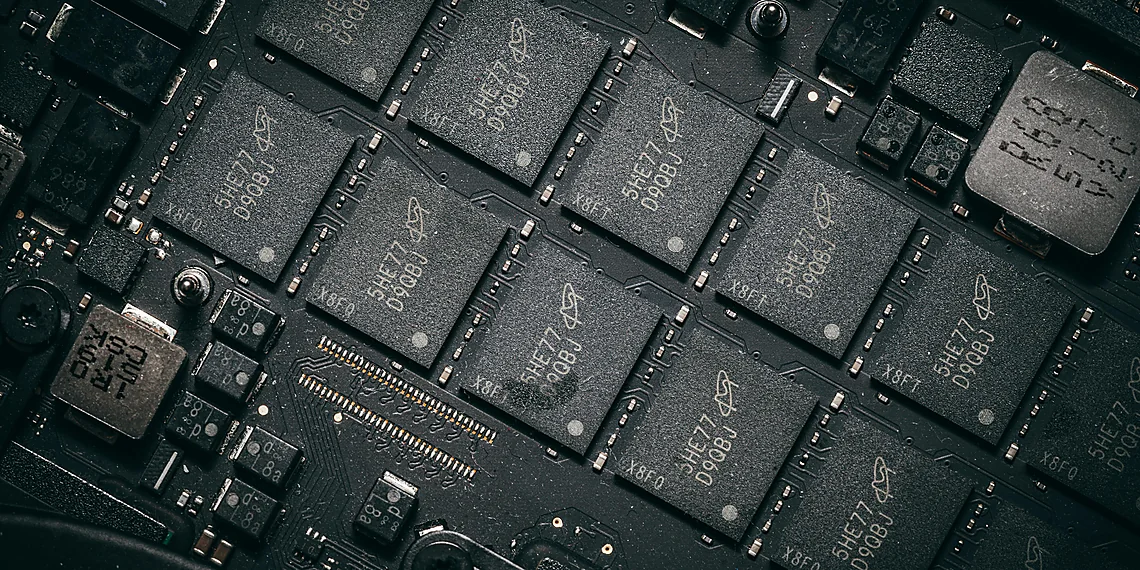
The rise of artificial intelligence and its associated infrastructure is creating a looming crisis, one largely overlooked amidst the hype surrounding large language models and advanced algorithms: a potential collapse in the global copper supply. The insatiable appetite of AI data centers – each requiring exponentially more power and connectivity than previous generations – combined with the ongoing expansion of 5G networks and electric vehicle adoption, is driving demand to unprecedented levels. Estimates suggest that just one hyperscale data center can consume upwards of 30 megawatts of power, translating into a significant and ever-increasing need for copper wiring, transformers, and other essential components.
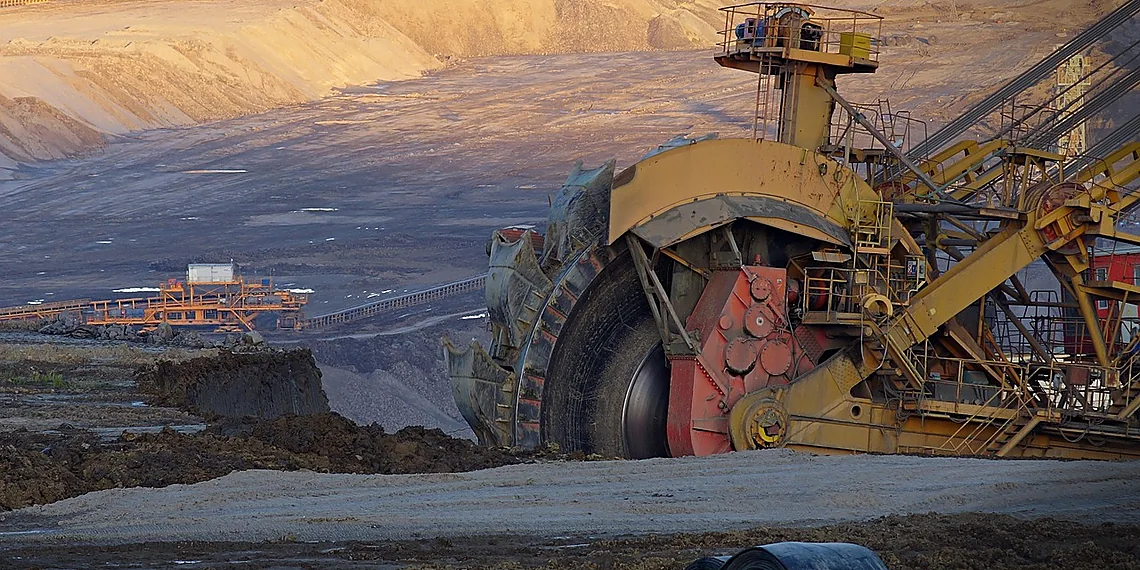
This surging demand arrives at a precarious time. While global copper production has increased in recent years, the easy-to-access, high-grade ore deposits have largely been exhausted. Modern mining operations are increasingly forced to extract copper from lower-quality ores and more challenging geological formations, requiring significantly more energy and water – and generating greater environmental impact – for diminishing returns. The geographical concentration of remaining reserves also presents a geopolitical risk, as a significant portion is located in regions with varying degrees of political stability.
The consequences of this impending copper shortage are already being felt. Project timelines for new AI deployments and data center construction are facing delays due to material scarcity and price volatility. Furthermore, the increasing cost of copper is directly impacting the affordability of electric vehicles and renewable energy technologies, potentially hindering their widespread adoption – ironically, solutions often touted as part of a sustainable future. Without significant innovation in mining techniques or alternative materials, the rapid advancement of AI could be fundamentally constrained by a lack of this critical resource.
The situation isn’t hopeless, however. Research into novel extraction methods, including bioleaching—using microorganisms to extract copper from ore – offers a potential pathway towards unlocking previously inaccessible reserves and reducing environmental impact. While still in relatively early stages, these microbial solutions represent a compelling possibility for mitigating the looming copper crisis and ensuring that our technological ambitions aren’t ultimately grounded by the limitations of the Earth’s resources.
AI’s Insatiable Demand
The explosive growth of artificial intelligence is creating an unprecedented strain on global copper supply. While much attention focuses on the processing power of AI models, the physical infrastructure required to support them – massive data centers, high-bandwidth transmission lines, and increasingly sophisticated cooling systems – demands enormous quantities of copper. Data centers alone are projected to consume a significant portion of future copper demand, with estimates suggesting increases of 30-50% by 2030 just to meet the needs of AI and related technologies.
To put this in perspective, a single hyperscale data center can utilize upwards of 20,000 tons of copper – equivalent to the annual mining output of a medium-sized country. Furthermore, the long distances required for transmitting data between these centers necessitate high-capacity cables, further escalating demand. This isn’t an isolated phenomenon; the broader digital transformation across industries like electric vehicles and renewable energy also contributes to this mounting pressure on copper resources.
The current rate of copper consumption driven by AI development is quickly outstripping the pace of new mine discoveries and expansions. While recycling efforts are crucial, they cannot fully offset the escalating demand. This disparity raises serious concerns about potential bottlenecks in the supply chain and price volatility, highlighting the urgent need for innovative solutions to either reduce copper usage or find alternative sources – a challenge that researchers are now exploring with promising avenues like bioleaching.
Running Out of Easy Copper
For decades, copper mining has largely relied on easily accessible, high-grade ore deposits near the surface. These ‘easy’ mines provided a steady supply of copper to fuel industrial growth. However, the vast majority of these readily available sources have already been exploited, leaving miners with increasingly challenging options for obtaining the metal.
The remaining copper reserves are often found deeper underground or in more complex geological formations, requiring significantly more energy and resources to extract. This includes lower-grade ore that necessitates processing larger volumes of rock to yield smaller amounts of copper. Furthermore, some deposits are located in remote or environmentally sensitive areas, adding further complexity and cost to mining operations.
The burgeoning demand from AI infrastructure – data centers, advanced computing hardware, and high-speed networks – is dramatically accelerating this supply shortfall. While recycling efforts can contribute, they won’t fully offset the exponential growth in copper consumption, underscoring the need for innovative solutions like bioleaching to unlock previously inaccessible reserves.
The Infrastructure Bottleneck
The rapid expansion of artificial intelligence is creating an unprecedented strain on global copper supply chains. Building and operating large language models (LLMs) requires massive data centers, each consuming vast quantities of copper for wiring, servers, cooling systems, and power distribution networks. This demand is compounding existing needs from other sectors like electric vehicles and renewable energy infrastructure, significantly accelerating the depletion of readily accessible copper reserves.
The current pace of AI deployment is directly impacting project timelines and hindering technological progress due to copper shortages. Data center construction projects are facing delays and increased costs as securing sufficient quantities of copper becomes increasingly difficult and competitive. Some companies are re-evaluating expansion plans or exploring alternative, less efficient solutions simply because the necessary copper isn’t available within a reasonable timeframe and budget.
Analysts predict that demand for copper will outstrip supply significantly in the coming years if new mines aren’t developed at an accelerated rate – a process which typically takes over a decade. Recycling efforts are also crucial but currently insufficient to offset the growing gap. This ‘infrastructure bottleneck’ poses a serious threat to the continued advancement of AI and other technologies heavily reliant on this essential metal, forcing industries to consider innovative solutions like microbial extraction—as explored in other sections of this article.
Microbial Mining: A Biological Solution?
The relentless expansion of artificial intelligence is creating an unprecedented demand for copper – a critical component in everything from data centers to high-speed transmission lines. Traditional mining practices are struggling to keep pace with this insatiable appetite, raising serious concerns about the future copper supply and its impact on our digital infrastructure. Fortunately, a fascinating biological solution is emerging: microbial mining. This innovative approach leverages the power of microorganisms to extract copper from ore, potentially offering a more sustainable and efficient alternative to conventional methods.
At the forefront of this revolution is Endolith, a company pioneering a unique application of bioleaching technology. Bioleaching itself harnesses naturally occurring microbes – bacteria and archaea – that possess the remarkable ability to dissolve metals like copper from rock. These microorganisms essentially ‘eat’ the minerals, releasing the copper into solution where it can be recovered. Traditional bioleaching is already used, but Endolith’s innovation lies in its AI-powered optimization process. They utilize machine learning algorithms to analyze ore composition and environmental conditions, then tailor microbial strains specifically for maximum efficiency in extracting copper from those particular resources.
Endolith’s approach significantly improves upon traditional bioleaching. While conventional methods often rely on trial-and-error techniques, Endolith’s AI platform accelerates the process of strain selection and optimization, dramatically reducing development timelines and improving extraction rates. This precision allows them to target previously unviable or low-grade ore deposits, expanding the potential copper supply considerably. Furthermore, microbial mining offers significant environmental advantages; it requires substantially less energy than traditional smelting, reduces greenhouse gas emissions, and minimizes habitat disruption – a crucial consideration as we seek more sustainable resource management strategies.
Compared to conventional mining, which involves massive excavation, crushing, and chemical processing, microbial mining presents a gentler, more scalable solution. While still in its early stages of widespread adoption, Endolith’s technology demonstrates the immense potential of harnessing biological processes to address critical resource challenges. As AI continues to proliferate, the ability to secure a reliable and environmentally responsible copper supply will be paramount, making innovative solutions like microbial mining increasingly vital for the future.
How Bioleaching Works
Bioleaching, at its core, is a process that utilizes microorganisms to extract metals from ore. Unlike conventional mining techniques which rely on harsh chemicals and energy-intensive processes like smelting, bioleaching harnesses the metabolic capabilities of bacteria and archaea (single-celled organisms) to dissolve valuable minerals. These microbes essentially ‘eat’ the rock containing copper, oxidizing sulfide minerals – common in copper ores – and releasing the metal into a solution.
The process typically begins with introducing these specially selected or naturally occurring microorganisms to crushed ore. The bacteria produce acids, primarily sulfuric acid, which break down the complex mineral structures. For example, *Acidithiobacillus ferrooxidans* is a well-known bacterium used in bioleaching; it oxidizes iron and sulfur compounds, generating acidity that leaches copper out of the ore matrix. This leachate (the resulting solution) then contains dissolved copper ions, which can be further processed to recover the metal.
Compared to traditional smelting, bioleaching often requires significantly less energy and produces fewer harmful emissions. It’s particularly advantageous for low-grade ores that are economically unviable to process using conventional methods – ores where the concentration of copper is too low to justify the cost and environmental impact of smelting. While slower than some chemical extraction techniques, advancements in microbial strain engineering and optimization of bioreactor conditions are continually improving bioleaching efficiency.
Endolith’s AI-Powered Approach
Traditional copper extraction relies heavily on conventional mining techniques, which are energy-intensive, environmentally disruptive, and face diminishing returns as easily accessible ore deposits dwindle. Microbial mining, also known as bioleaching, offers a potentially more sustainable alternative by utilizing microorganisms to dissolve metals from ore. However, the efficiency of this process is highly dependent on the specific microbial strains used and their ability to thrive in varying environmental conditions – factors that historically have been optimized through laborious trial-and-error methods.
Endolith is pioneering an AI-powered approach to accelerate and refine bioleaching processes. Their platform leverages machine learning algorithms to analyze vast datasets related to microbial genetics, ore composition, and environmental parameters. This allows them to identify and engineer highly specialized microbial strains tailored for specific types of copper ore and the unique geochemical conditions found in different mine sites. Instead of relying on random mutation and selection, Endolith’s AI predicts which genetic modifications will yield the most efficient metal recovery.
The company’s process involves a closed-loop system where microbes are cultivated and tested in controlled environments. Data from these tests is fed back into the machine learning models, continually improving their predictive accuracy and leading to further strain optimization. This iterative cycle significantly reduces the time and resources required to develop effective bioleaching solutions, potentially unlocking copper reserves previously considered uneconomical to extract using traditional methods.
Advantages Over Traditional Mining
Traditional copper mining, while essential for supplying the metal globally, carries a significant environmental footprint. It’s an energy-intensive process involving drilling, blasting, crushing ore, and chemical extraction – all of which contribute substantially to greenhouse gas emissions and generate large volumes of waste rock and tailings. These processes also often disrupt ecosystems, pollute water sources with heavy metals, and require extensive land clearing. In contrast, microbial mining offers a potentially much cleaner alternative by leveraging naturally occurring biological processes.
Microbial mining utilizes microorganisms – bacteria or archaea – to extract copper from low-grade ores or waste materials that are typically uneconomical to process using conventional methods. These microbes essentially ‘bioleach’ the copper, oxidizing it and dissolving it into a solution where it can be recovered. This approach drastically reduces energy consumption compared to traditional smelting, minimizes the need for harsh chemicals like cyanide (often used in heap leaching), and significantly lowers emissions associated with mining operations.
Furthermore, microbial mining exhibits promising scalability. It can be applied to vast deposits of low-grade ore that are currently considered unusable, effectively expanding the available copper supply without requiring extensive new surface mining operations. While initial setup costs and process optimization remain challenges, the potential for reduced environmental impact and increased resource accessibility positions microbial mining as a key technology in addressing the growing demand for copper – particularly as AI continues to expand its footprint.
Pilot Projects and Validation
Endolith’s approach isn’t just theoretical; it’s rapidly progressing through real-world pilot projects, demonstrating tangible results within the copper industry. A key indicator of their success lies in established partnerships with major players like BHP, one of the world’s largest mining companies. These collaborations aren’t simply proof-of-concept exercises – they represent a commitment to integrating Endolith’s bioleaching technology into existing operational workflows. Early results from these joint ventures have been exceptionally promising, showcasing significant copper recovery rates and highlighting the potential for substantial reductions in traditional mining’s environmental impact alongside bolstering the crucial copper supply.
Central to Endolith’s scalability strategy is their innovative concept of ‘Modular Biohatcheries.’ Unlike conventional mining operations that require massive infrastructure investments and lengthy lead times, these biohatcheries are designed as rapidly deployable units. Imagine compact facilities, capable of processing ore on-site or near existing extraction zones, adaptable to diverse geological conditions and logistical constraints. This modularity drastically reduces the barriers to entry for adopting microbial mining, allowing Endolith to quickly establish a network of bioreactors and respond dynamically to fluctuations in copper demand – a vital capability given the projected exponential growth in AI infrastructure.
The validation process extends beyond raw recovery rates. Endolith is actively working with its partners to optimize the entire bioleaching cycle, from ore preparation to metal purification. This holistic approach ensures not only efficient copper extraction but also responsible waste management and minimal ecological disruption. These ongoing refinements are crucial for gaining broader industry acceptance and ultimately establishing microbial mining as a sustainable and competitive alternative within the global copper supply chain. The data generated through these pilot programs is continually feeding back into Endolith’s research, further improving their technology and expanding its applicability to different ore types.
Early Results & Partnerships
Endolith, a biotech firm specializing in microbial mining, has seen promising early results from its collaborations with industry giants like BHP. Their approach utilizes specially engineered microbes to leach copper from low-grade ore and mine tailings, effectively unlocking resources previously considered uneconomical to extract using traditional methods. Initial pilot projects at BHP’s Olympic Dam site in Australia have demonstrated significantly improved copper recovery rates compared to conventional heap leaching techniques, alongside a reduction in the environmental impact associated with mining.
These successful trials have spurred further partnerships and expansion of Endolith’s operations. The company is now working on several other projects across different continents, each tailored to specific ore types and geological conditions. BHP’s ongoing investment and commitment to Endolith’s technology underscores the growing recognition within the copper industry that bioleaching offers a sustainable and potentially scalable solution to address the looming copper supply challenges.
While still in relatively early stages of commercial deployment, these partnerships validate the viability of microbial mining at scale. Endolith’s ability to demonstrate tangible improvements in copper recovery while minimizing environmental footprint positions them as a key player in securing future copper supply chains, particularly crucial given the exponential growth demands driven by AI and related technologies.
Modular Biohatcheries
Endolith’s approach to scaling bioleaching includes the development of ‘modular biohatcheries,’ essentially self-contained units designed for rapid deployment. These hatcheries house microbial cultures that extract copper from low-grade ore or industrial waste, offering a potentially more sustainable and localized alternative to traditional mining methods. The modular design allows for flexible scaling; additional modules can be added as needed to increase processing capacity without significant infrastructure overhauls.
A key advantage of these biohatcheries is their adaptability to diverse geographical locations. Unlike large-scale mines, which require specific geological conditions and extensive site preparation, the modular nature means they can be set up in areas with limited existing infrastructure or challenging terrain. This flexibility also enables Endolith to work with a broader range of copper producers and address localized supply chain vulnerabilities.
Currently, Endolith is piloting these modular biohatcheries in partnership with several major mining companies. These pilot projects are not only validating the technology’s effectiveness across different ore types and climates but also providing valuable data for optimizing operational parameters and refining the design for even greater efficiency and scalability. The success of these initial deployments is critical to demonstrating the viability of this approach as a significant contributor to future copper supply.
Beyond Mining: A Sustainable Future
The relentless expansion of artificial intelligence isn’t happening in a vacuum; it’s inextricably linked to the availability of raw materials, particularly copper. While headlines focus on model size and processing power, the foundational reliance on this metal poses an increasingly urgent challenge. The current trajectory suggests we’re rapidly approaching a point where AI’s insatiable appetite for copper will outstrip supply, potentially stifling innovation and hindering progress across numerous sectors. Simply put, without addressing the looming copper supply issue, the future of AI – and much more – is at risk.
Fortunately, solutions beyond traditional mining are emerging, offering a glimmer of hope for a more sustainable path forward. Microbial mining, or bioleaching, utilizes microorganisms to extract metals from ore bodies that are otherwise difficult or uneconomical to process. Early iterations faced skepticism due to slow processing times and environmental concerns. However, recent advancements in genetic engineering and bioreactor design have significantly improved efficiency and minimized ecological impact. We’re now seeing the potential for targeted microbial processes to unlock previously inaccessible copper reserves.
The implications extend far beyond just securing a continuous stream of metal. A shift towards bioleaching contributes to a broader circular economy, reducing reliance on environmentally destructive mining practices and minimizing waste. It also fosters greater resource resilience – diversifying supply chains and decreasing vulnerability to geopolitical instability that often plagues traditional mining operations. This interconnectedness highlights the crucial role sustainability plays in AI’s continued advancement; it’s not just about building smarter algorithms, but ensuring the physical infrastructure can support them.
Ultimately, embracing innovative solutions like microbial mining isn’t a niche experiment but a necessity for safeguarding the future of AI and beyond. Recognizing the profound link between technological progress and responsible resource management is paramount. Investing in research, development, and implementation of sustainable copper extraction methods will be critical to ensuring that the digital revolution doesn’t come at the expense of our planet’s resources.
Addressing Skepticism
While bioleaching – using microbes to extract metals from ore – has been around for decades, early implementations faced legitimate criticisms. Concerns centered on slow processing times, low metal recovery rates, and the potential environmental impact of introducing non-native organisms into ecosystems. Initial attempts often required massive amounts of water and energy, diminishing the sustainability benefits compared to traditional mining methods. These limitations understandably led many to dismiss bioleaching as a viable solution for addressing the growing copper supply challenge.
However, significant advancements in microbial engineering and process optimization have largely overcome these past hurdles. Researchers are now developing ‘superbugs’ – genetically modified microbes specifically tailored to efficiently extract copper from lower-grade ores previously considered uneconomical. Innovations include encapsulating microbes within protective matrices to prevent environmental escape and utilizing bioreactors that allow for precise control of conditions like pH, temperature, and nutrient supply, dramatically accelerating the leaching process and increasing metal recovery.
Furthermore, modern bioleaching operations are increasingly integrating with existing tailings ponds and waste streams, minimizing water usage and reducing overall environmental impact. The potential to extract copper from urban mining sources – electronic waste – is also gaining traction, offering a pathway to reclaim valuable resources and lessen the dependence on newly mined ore. These developments suggest that bioleaching could play a crucial role in creating a more sustainable and resilient AI ecosystem.
The Interconnectedness of AI & Copper
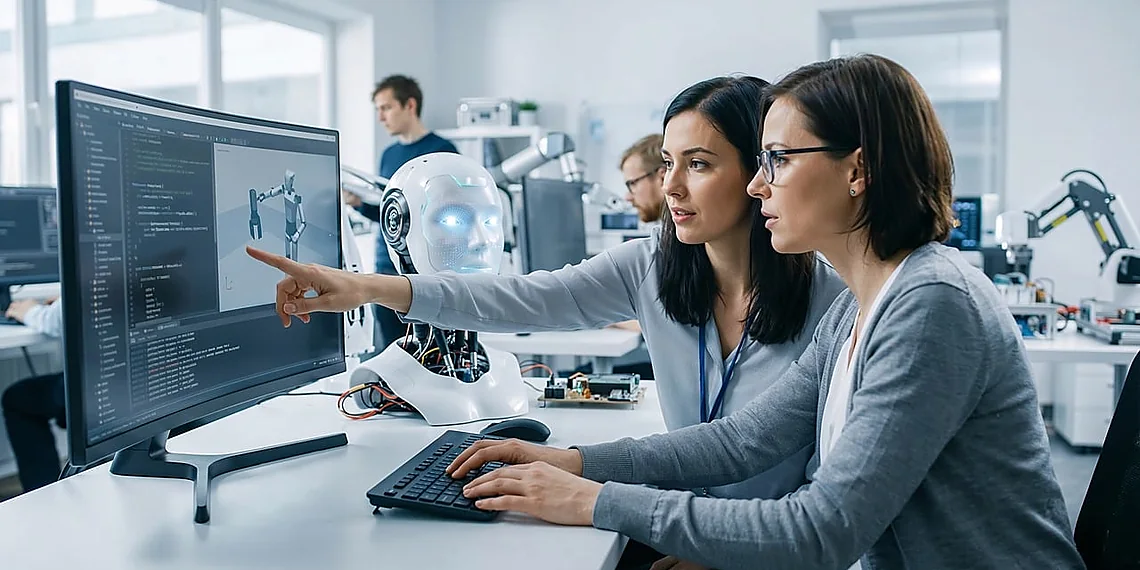
The explosive growth of artificial intelligence is inextricably linked to the availability of copper. From massive data centers powering complex algorithms to the intricate wiring within advanced robotics, virtually every facet of AI infrastructure relies heavily on this metal. While advancements in AI models and processing power dominate headlines, the underlying physical constraints – specifically a potential shortage in the copper supply – pose a significant long-term threat to the continued expansion and innovation within the field.
Current projections indicate that demand for copper will far outstrip existing supply chains within the next decade, largely driven by the proliferation of AI alongside other technologies like electric vehicles and renewable energy. Traditional mining practices face increasing environmental concerns and geopolitical instability, making it difficult to rapidly increase production to meet this burgeoning need. The reliance on a limited number of producing regions also creates vulnerabilities that could significantly impact AI development and deployment globally.
Emerging solutions, such as microbial mining (biomining), offer a potentially transformative pathway towards a more sustainable copper supply chain for the AI ecosystem. Biomining utilizes microorganisms to extract metals from low-grade ores or waste materials, reducing environmental impact compared to conventional methods. While still in its early stages of widespread adoption, this technology holds promise for supplementing traditional mining and mitigating the risks associated with copper scarcity, ultimately supporting the continued advancement of artificial intelligence.
The relentless advancement of artificial intelligence hinges on a critical, often overlooked factor: access to raw materials. Our exploration has revealed that the burgeoning demand for AI hardware is placing unprecedented strain on existing resources, particularly impacting the copper supply and other essential metals. While recycling efforts are vital, they alone cannot meet the escalating needs of this transformative technology. The potential of microbial mining, as demonstrated by companies like Endolith, offers a genuinely exciting pathway toward mitigating these challenges and fostering a more responsible approach to AI development. This isn’t just about finding alternative sources; it’s about reimagining how we extract resources in harmony with our planet. Investing in and accelerating the adoption of sustainable technologies is no longer optional—it’s fundamental to ensuring that AI continues to benefit humanity without compromising future generations. We believe solutions like those pioneered by Endolith represent a crucial step towards a more resilient and ethical technological landscape. To delve deeper into this fascinating intersection of biotechnology and resource management, we invite you to explore Endolith’s work and discover other groundbreaking innovations in sustainable resource extraction – the future of AI may very well depend on it.
Learn more about how companies like Endolith are revolutionizing resource acquisition through innovative microbial processes. Visit their website to understand their approach and explore the potential for a truly circular economy in technology manufacturing, particularly concerning maintaining a stable copper supply. Consider researching other organizations dedicated to sustainable mining practices – your understanding of these technologies can contribute to informed discussions and support for responsible innovation. The time to engage with this critical issue is now.
Source: Read the original article here.
Discover more tech insights on ByteTrending ByteTrending.
Discover more from ByteTrending
Subscribe to get the latest posts sent to your email.