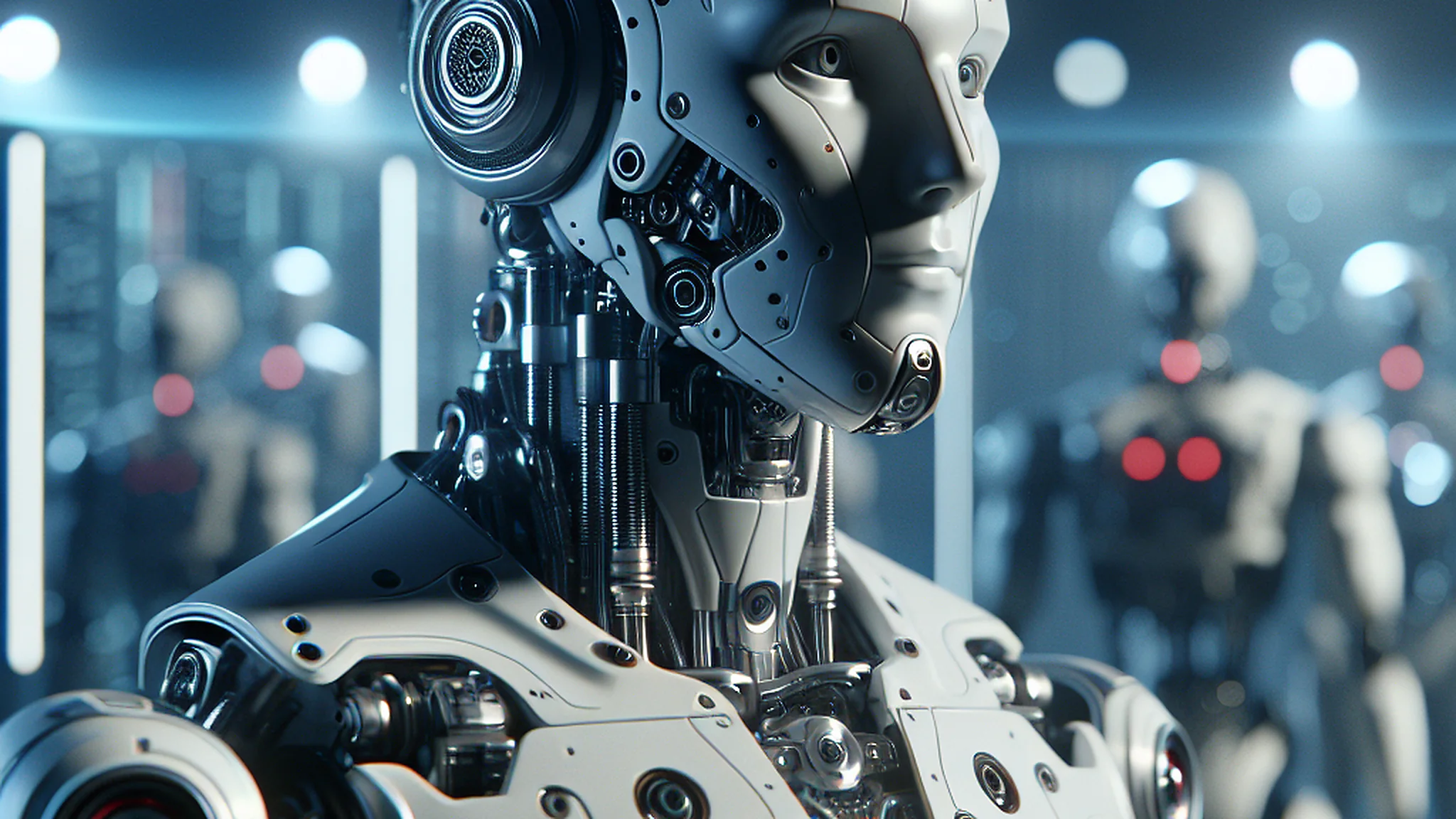


The buzz around robotics has reached a fever pitch, fueled by increasingly sophisticated demonstrations and ambitious promises of a future reshaped by automation. Everywhere you look, headlines proclaim the dawn of a new era – one where tireless machines handle repetitive tasks, assist in complex procedures, and even provide companionship. This excitement isn’t unfounded; recent advancements are genuinely remarkable, pushing the boundaries of what’s possible with artificial intelligence and mechanical engineering. However, separating genuine progress from pure hype is becoming increasingly critical for informed stakeholders.
We’re seeing a surge in investment and development focused on creating machines that mimic human form and function – humanoid robots – leading many to envision widespread adoption across industries like manufacturing, logistics, healthcare, and even customer service. The potential impact is undeniable; imagine factories operating with unprecedented efficiency, hospitals staffed by robotic assistants capable of performing delicate procedures, or warehouses where picking and packing are entirely automated. These visions paint a compelling picture of increased productivity and reduced costs.
Despite the impressive strides forward, the reality of deploying these advanced machines at scale remains considerably more complex than many portray. While captivating demos showcase capabilities in controlled environments, translating those successes into robust, reliable solutions for real-world applications presents significant hurdles related to cost, dexterity, adaptability, and safety. This article will delve into both the incredible potential and the substantial challenges facing the widespread adoption of humanoid robots, exploring what it truly takes to move beyond demonstrations and toward a future where these machines become an integral part of our lives.
The Promise vs. Reality
The hype surrounding humanoid robots is undeniable, fueled by captivating demonstrations and ambitious promises of a near future where they seamlessly integrate into our workplaces and homes. Companies like Agility Robotics and Apptronik have secured hundreds of millions in funding based on visions of widespread deployment – envisioning farms managed by robot labor, warehouses efficiently staffed by tireless machines, and even personal assistants performing household chores. However, the reality lags significantly behind these projections. While impressive strides are being made in areas like bipedal locomotion and object manipulation, translating those advancements into truly robust, adaptable, and economically viable solutions for diverse real-world tasks remains a formidable challenge.
A stark discrepancy exists between the billions flowing into humanoid robotics startups and the limited practical applications we currently see. While prototypes demonstrate impressive capabilities within controlled environments – carefully designed testing spaces – their performance degrades dramatically when faced with the unpredictable complexities of unscripted scenarios. Consider, for example, a robot designed to pick apples in an orchard; the variations in apple ripeness, branch angle, and surrounding foliage present challenges far beyond what’s typically accounted for in demonstration videos. This gap between potential and practical execution is contributing to a growing sense of skepticism among some industry observers.
Industry forecasts often paint a rosy picture of rapid adoption, predicting widespread deployments within just a few years. These projections frequently rely on assumptions about advancements in areas like AI-powered perception, dexterity, and safety – all of which are proving more difficult and time-consuming to achieve than initially anticipated. Furthermore, the current cost of humanoid robots remains prohibitively high for most businesses, and their maintenance requirements necessitate specialized expertise that is currently scarce. The economic equation simply hasn’t yet balanced out to justify mass adoption across a wide range of industries.
Ultimately, while the long-term potential of humanoid robots remains significant, tempering expectations is crucial. The path towards realizing the full promise of these machines will likely be more gradual and iterative than many initial forecasts suggest. A realistic assessment acknowledges that overcoming the current limitations – in areas like cost, adaptability, and robustness – requires continued innovation and a willingness to address the complex challenges inherent in replicating human-level dexterity and intelligence within a robotic form.
Billions in Funding, Limited Results
The humanoid robotics sector has experienced a surge in investment over the past few years, fueled by optimistic visions of robots performing tasks currently done by human workers. Companies like Agility Robotics, Apptronik, and Figure AI have collectively secured billions of dollars from venture capitalists and major automakers eager to automate various processes. This influx of capital reflects a strong belief that humanoid robots are poised to revolutionize industries ranging from logistics and manufacturing to hospitality and even elder care.
Despite the substantial funding rounds, widespread adoption of humanoid robots remains limited. Current models often struggle with tasks requiring adaptability and dexterity – qualities humans possess naturally. While demonstrations showcasing impressive feats often dominate headlines, these are frequently carefully orchestrated environments that don’t accurately represent the complexities of real-world workplaces. The underlying challenges involve not just hardware limitations (like strength, balance, and fine motor skills) but also complex software needed for navigation, object recognition, and decision-making.
The gap between the projected timeline for humanoid robot integration and their actual capabilities highlights a potential disconnect in expectations. Many initial promises suggested deployment within a few years; however, technical hurdles and high production costs are pushing those timelines further out. While progress continues to be made, achieving the vision of ubiquitous, capable humanoid robots performing diverse tasks will require significantly more development and refinement than currently reflected in market projections.
Optimistic Projections: Are They Realistic?
Many industry forecasts predict widespread adoption of humanoid robots in various sectors within the next 5-10 years – from logistics and manufacturing to elder care and even hospitality. These optimistic projections often assume rapid advancements in areas like dexterity, navigation, and power efficiency, alongside a dramatic decrease in robot cost. However, these assumptions frequently gloss over significant technical hurdles. For example, replicating human-level manipulation skills, which involve complex tactile sensing, dynamic balance, and adaptability to unpredictable environments, remains an exceptionally difficult challenge even with advanced AI techniques.
A core assumption driving many of these projections is the ease of translating laboratory demonstrations into scalable industrial deployments. While robots like Figure’s or Boston Dynamics’ Atlas showcase impressive capabilities in controlled settings, their performance degrades significantly when faced with the variability and messiness of real-world environments. The cost of maintaining and repairing these complex machines – particularly given their reliance on delicate sensors and actuators – also isn’t always factored into deployment timelines and economic viability assessments. Current repair costs for even relatively simple industrial robots are substantial, and humanoid robots represent a significantly more intricate engineering undertaking.
Furthermore, the current business models surrounding humanoid robot adoption often rely on an underestimation of integration complexity. Simply placing a humanoid robot in a workplace doesn’t guarantee productivity gains; significant investment is required to adapt workflows, retrain human employees, and address potential safety concerns. The assumption that these robots will seamlessly replace or augment human labor without substantial upfront costs and ongoing support overlooks the essential role of human expertise in managing and optimizing robotic systems.
The Manufacturing Hurdles
While significant strides have been made in robot hardware, the real bottleneck for widespread adoption isn’t simply *building* humanoid robots. Companies like Agility Robotics and Apptronik are securing massive funding rounds based on their engineering achievements, but translating those successes into a truly scalable reality presents far more complex hurdles. Manufacturing, while challenging, is becoming increasingly solvable through automation and standardized components. The true challenge lies in creating the robust supply chains, deployment infrastructure, and operational frameworks necessary to support thousands or even millions of these robots working alongside humans.
The current enthusiasm for humanoid robots often overlooks a critical ‘demand problem.’ Demonstrating compelling use cases that genuinely justify the high cost and logistical complexity of deploying large numbers of robots is proving difficult. Many initial applications – warehouse picking, delivery services – are already being addressed by less sophisticated (and cheaper) robotic solutions. Finding roles where humanoids offer a significant performance advantage *and* economic benefit over existing alternatives remains a key area of investigation. It’s not enough for a humanoid to perform a task; it needs to do so significantly better or more cost-effectively than a human worker, or an alternative robot.
Beyond identifying suitable applications, the logistics of deploying and maintaining a fleet of humanoid robots are substantial. These aren’t simple industrial arms that can be bolted onto existing assembly lines. Humanoids require specialized infrastructure – charging stations, maintenance facilities, software updates – and a workforce skilled in their operation and repair. The image of hundreds of humanoid robots standing on pallets, ready for deployment, highlights the scale of this logistical challenge. Developing efficient processes to manage robot inventory, track performance, and handle unexpected failures is just as crucial as building the robots themselves.
Ultimately, scaling reality for humanoid robots requires a holistic approach that moves beyond simply showcasing impressive demonstrations. It demands a concerted effort to address not only the engineering challenges but also the economic viability, logistical complexities, and workforce implications of large-scale deployment. Until these factors are adequately addressed, the promise of widespread humanoid robot adoption will remain largely unrealized, despite the significant investments being made.
Building vs. Deploying: The Easier Part?
While significant progress has been made in developing increasingly capable humanoid robots, the actual challenge lies less in the manufacturing process itself and more in scaling their real-world application. Many robotics companies have demonstrated a capacity to produce prototype units, often leveraging existing industrial automation techniques for component fabrication and assembly. The primary bottlenecks aren’t about creating a single robot; they’re about establishing reliable supply chains and achieving consistent quality at volumes needed for broader market adoption.
The real hurdles revolve around identifying sustainable use cases where humanoid robots can demonstrably outperform human labor or augment existing workflows without excessive overhead. Early deployments often focus on repetitive, physically demanding tasks in controlled environments like warehouses, but these are not always economically justifiable when considering factors such as robot maintenance, programming, and the need for human supervision. The cost of integration and ongoing operational expenses frequently outweigh the initial investment.
Furthermore, deploying humanoid robots at scale requires a completely new logistical framework. This includes developing robust remote monitoring and repair systems to handle geographically dispersed fleets, managing software updates across numerous units, and ensuring consistent performance in diverse and unpredictable environments. The complexity of these deployment challenges significantly outweighs the comparatively simpler task of robot manufacturing.
The Demand Problem
While significant progress has been made in developing increasingly capable humanoid robots, a persistent challenge lies in identifying widespread applications that can justify large-scale deployments and return on investment. Early adopters are primarily focused on tasks considered ‘last mile’ solutions – those difficult or undesirable for humans, like warehouse picking or assisting with repetitive assembly line work. However, these roles often don’t offer enough volume to truly drive the economies of scale needed to make humanoid robots cost-competitive with existing automation solutions or human labor.
The problem is compounded by the current limitations in robot dexterity and adaptability. Humanoid robots excel at mimicking human movements but struggle with unexpected variations or unstructured environments common outside of carefully controlled settings. This necessitates significant ongoing programming, maintenance, and intervention – effectively negating some of the anticipated efficiency gains. Until humanoid robots demonstrate a broader range of capabilities and robustness across diverse tasks, their adoption will remain limited to niche applications.
Furthermore, the cost of ownership extends far beyond the initial purchase price. Factors like specialized training for technicians, ongoing software updates, and replacement parts contribute significantly to total operational expenses. Demonstrating a clear economic advantage over existing solutions requires not only improved robot performance but also streamlined deployment logistics and a reduction in these supporting costs, which remains a significant hurdle for widespread adoption of humanoid robots.
Powering Progress: Battery Life & Reliability
While visions of agile, human-like robots seamlessly integrating into our workplaces are captivating, a significant hurdle remains: battery life and overall system reliability. Current humanoid robots, despite remarkable advancements in mechanics and AI, are fundamentally limited by the energy storage solutions they employ. The density of existing batteries necessitates bulky ‘backpack’ setups to power these machines for even moderately extended periods. This isn’t just an aesthetic issue; it directly impacts robot design, hindering maneuverability and potentially compromising stability – a crucial factor when dealing with unpredictable industrial environments or collaborative human-robot interaction.
The energy demands of humanoid robots are exceptionally high. Mimicking complex human movements requires considerable power, quickly draining even the most advanced battery packs. This leads to frequent recharging cycles, interrupting workflow and significantly reducing operational efficiency. Researchers are actively exploring alternatives like solid-state batteries and fuel cells, but these technologies face their own development challenges in terms of cost, scalability, and safety before they can realistically replace existing lithium-ion solutions within a practical timeframe for widespread industrial deployment.
Beyond mere runtime, the reliability of battery systems is paramount. Industrial environments demand near-constant uptime; a robot failure can halt production lines and incur substantial costs. Humanoid robots are complex machines with numerous moving parts, each representing a potential point of failure. Battery malfunctions – from unexpected shutdowns to thermal runaway events – compound this risk exponentially. Achieving the coveted ‘99.99%’ reliability standard common in industrial automation is an ongoing struggle for current humanoid robot technology, requiring extensive redundancy and rigorous safety protocols.
Ultimately, progress in battery technology isn’t just about increasing power density; it’s about enhancing safety, improving longevity, and ensuring consistent performance under demanding conditions. Until these challenges are addressed, the full potential of humanoid robots to revolutionize industries will remain tethered to limitations imposed by their energy sources—a critical area for continued innovation if we truly want to see them scale from exciting prototypes to indispensable workforce members.
The Bulky Backpack Problem
A significant challenge in developing practical humanoid robots is their power requirements. Unlike wheeled robots which can often utilize smaller, lighter batteries, bipedal locomotion demands substantial energy for movement and balance control. Current lithium-ion battery technology, while relatively high density, still isn’t sufficient to provide the necessary runtime within a size and weight profile that doesn’t negatively impact robot agility and performance.
Consequently, many humanoid robots today rely on bulky external power solutions – often referred to as ‘battery backpacks.’ These packs, containing multiple large battery modules, are essential for providing adequate operational time but contribute significantly to the overall robot’s mass and alter its center of gravity. This added weight and shifted balance directly compromises maneuverability, stability, and the ability to perform tasks requiring fine motor control or operation in dynamic environments.
The ‘bulky backpack problem’ also influences humanoid robot design. Engineers must consider how to integrate these power sources without hindering movement or creating safety hazards. The placement of batteries impacts joint articulation ranges and can limit the types of tools or equipment a robot can carry, effectively restricting its versatility until advancements in battery density and alternative energy storage solutions become more readily available.
The 99.99% Reliability Challenge
While the promise of humanoid robots performing tasks alongside humans in industrial settings is compelling, a significant hurdle lies in achieving the required levels of operational reliability. Industrial environments demand exceptionally high uptime – often referred to as ‘99.99%’ availability, which translates to no more than about 52 minutes of downtime per year for each robot. This stringent requirement stems from the cost of production losses and safety concerns associated with unexpected failures.
Current humanoid robots, largely based on designs derived from research platforms or consumer-focused models, typically fall far short of this benchmark. Their complex mechanics, involving numerous actuators, sensors, and intricate software control systems, introduce a multitude of potential failure points. Battery life also significantly impacts reliability; frequent recharging cycles interrupt workflow and increase maintenance needs, further diminishing overall operational uptime.
The shift towards industrial applications necessitates a fundamental rethinking of robot design and manufacturing processes. This includes incorporating robust materials, redundant components to handle failures gracefully, advanced diagnostics for predictive maintenance, and fundamentally improved battery technology or alternative power sources that minimize interruptions and maximize longevity. Achieving 99.99% reliability will be crucial before humanoid robots can truly become integral parts of the industrial workforce.
Safety and Regulation
The rapid advancement and increasing prevalence of humanoid robots introduces a unique set of safety challenges that extend far beyond those encountered with traditional industrial automation. Unlike fixed robotic arms or pre-programmed machines, humanoid robots possess dynamic movement capabilities, balance systems, and the potential for interaction in complex, unpredictable environments – often alongside humans. Simply powering down a robot isn’t sufficient; a falling or uncontrolled humanoid, even when deactivated, poses significant risk of injury. This necessitates a shift towards active safety protocols that can anticipate and mitigate potentially hazardous situations through real-time monitoring, predictive algorithms, and fail-safe mechanisms designed to gracefully handle unexpected events.
Traditional robotic safety standards, often focused on perimeter fencing and emergency stop buttons, are proving inadequate for the nuanced demands of humanoid robot deployment. The very nature of their human-like form – walking, reaching, grasping – means they operate in closer proximity to people, requiring a more proactive and adaptable approach to risk management. This includes considerations like force limiting, collision avoidance systems that go beyond simple obstacle detection, and potentially even ‘virtual boundaries’ that restrict movement based on environmental context. The development of these new safety features is crucial not only for preventing accidents but also for fostering public trust and acceptance of humanoid robots in shared workspaces.
The regulatory landscape surrounding humanoid robots is currently playing catch-up with technological innovation. While existing robotics standards provide a baseline, specific guidelines tailored to the unique characteristics of bipedal machines are still evolving. Organizations like ISO (International Organization for Standardization) and ANSI (American National Standards Institute) are actively working on developing these new frameworks, focusing areas such as impact testing, stability assessment, and human-robot interaction protocols. These emerging standards will likely influence robot design, operational procedures, and ultimately, the rate at which humanoid robots are integrated into various industries.
The ongoing dialogue between robotics companies, regulatory bodies, and safety experts is shaping a future where responsible deployment of humanoid robots becomes the norm. Companies are increasingly recognizing that prioritizing safety isn’t just an ethical imperative; it’s also essential for long-term business success. By proactively addressing these challenges and collaborating on robust safety standards, we can pave the way for a future where humanoid robots enhance productivity and improve our lives without compromising human well-being.
Beyond Power-Off: New Safety Protocols
Traditional robot safety protocols, largely designed for industrial arms and stationary machines, often rely on simple power-off switches as a primary fail-safe mechanism. However, these methods are woefully inadequate for dynamically balancing humanoid robots. A sudden power cut during locomotion can trigger unpredictable falls or uncontrolled movements, potentially causing injury to the robot itself, surrounding objects, or nearby humans. The complex interplay of sensors, actuators, and sophisticated control algorithms that enable human-like movement means a simple shutdown isn’t enough; it risks creating *more* hazards than it prevents.
The core issue lies in the robots’ continuous state of dynamic equilibrium. Unlike static machines, humanoid robots are constantly adjusting their center of gravity to maintain balance. A sudden power loss disrupts this delicate process, potentially leading to a rapid and uncontrolled collapse. Imagine a bipedal robot mid-step – abruptly cutting power would likely result in it pitching forward, potentially impacting anyone or anything in its path.
Consequently, new safety protocols are emerging that prioritize graceful degradation and controlled stopping behaviors. These include ‘safe state’ routines which actively manage the robot’s posture upon detecting a fault, utilizing remaining battery power to guide it to a stable position. Furthermore, research focuses on developing reactive control systems capable of anticipating and mitigating potential hazards, alongside incorporating force limiting joints and emergency braking mechanisms – all designed to minimize risks beyond just a simple ‘off’ switch.
The Regulatory Catch-Up
The rapid advancement and increasing prevalence of humanoid robots are outpacing existing safety standards and regulations. Currently, many guidelines applicable to industrial robots primarily focus on fixed automation and don’t adequately address the dynamic interactions inherent in human-robot collaboration with bipedal machines. This gap creates a challenge for developers seeking to deploy these robots widely, particularly in environments shared with humans like warehouses, construction sites, or even retail spaces. The potential for unexpected movements, collisions, and unintended consequences necessitates a proactive approach to safety.
Several organizations are actively working on developing tailored standards. ISO/TC 299, the International Organization for Standardization’s technical committee dedicated to industrial robots, is focusing on ‘collaborative robots,’ but recognizing that humanoid robots present unique considerations. The Robotic Industries Association (RIA) in North America and similar bodies globally are also contributing to the development of best practices and safety protocols specific to bipedal robots. These efforts include defining performance metrics for stability, force limits, emergency stop functionality, and methods for risk assessment.
The emerging regulatory landscape is influencing how companies design and deploy humanoid robots. Some regions are adopting a ‘risk-based’ approach, requiring more stringent testing and certification processes as the potential for harm increases. This pressure encourages developers to prioritize safety features like advanced sensors, robust control systems, and fail-safe mechanisms from the outset. While harmonized global standards remain elusive, this ongoing development signifies a shift toward responsible innovation and a commitment to ensuring safe human-robot interaction.
Beyond Bipedalism: A Rethink?
The relentless pursuit of ‘humanoid’ robots – those mimicking human form – is largely driven by a desire to seamlessly integrate them into existing workspaces designed for humans. However, this obsession with bipedalism might be a significant constraint. While visually appealing and capable of navigating complex terrains in some scenarios, the inherent instability and mechanical complexity of walking on two legs introduce considerable challenges regarding reliability, energy efficiency, and overall cost-effectiveness. Are we truly optimizing for capability when prioritizing form over function?
Consider the alternative: wheeled robots. These machines have already proven their worth in countless industrial applications – from warehouse logistics to automated guided vehicles (AGVs). They offer inherent stability, require less sophisticated control systems, and consume significantly less energy compared to humanoid counterparts attempting to maintain balance and ambulate. The efficiency gains alone could translate into substantial operational savings for businesses adopting robotic solutions. While lacking the ‘human-like’ flexibility of a bipedal design, wheeled robots can often accomplish the same tasks, or even more so, with greater precision and reliability.
Furthermore, the current trajectory towards humanoid robotics necessitates extensive (and expensive) adaptation of existing infrastructure. Every workspace would need to be meticulously mapped and adjusted for robot navigation. A wheeled platform, however, could potentially operate within existing layouts with minimal modifications, accelerating deployment and reducing initial investment. This isn’t about dismissing the potential of humanoid robots entirely; rather, it’s a call for broader consideration of robotic design principles that prioritize practical utility over aesthetic mimicry.
Ultimately, achieving the promised revolution in automated labor requires more than just building robots that *look* like us. It demands a pragmatic approach focused on solving real-world problems efficiently and reliably. While humanoid robots may find niche applications requiring advanced dexterity or navigation in unstructured environments, widespread adoption likely hinges on recognizing that bipedalism isn’t always – or even often – the best solution.
The Case for Wheels
While humanoid robots capture the imagination, their complexity significantly impacts cost and reliability in industrial settings. The intricate mechanics required for stable bipedal locomotion – balancing, navigating uneven terrain, and reacting to unexpected disturbances – demand advanced sensors, powerful actuators, and sophisticated control systems. This translates into higher manufacturing costs, increased maintenance needs, and a greater susceptibility to breakdowns compared to simpler robotic designs.
Wheeled robots offer a compelling alternative for many tasks currently targeted by humanoid robots. They inherently possess superior stability, require fewer components (reducing cost and complexity), and are generally more energy-efficient. Imagine a warehouse or factory floor – the vast majority of movement occurs on relatively flat surfaces. A wheeled robot can navigate these environments quickly and reliably, performing material handling, inspection, and other repetitive tasks with greater precision and at a lower operational expense than its bipedal counterpart.
The push for humanoid robots often stems from the desire to replicate human dexterity and adaptability in unstructured environments. However, many industrial applications don’t necessitate mimicking human form; they require consistent performance and efficiency. Focusing on specialized wheeled or tracked platforms allows engineers to optimize designs around specific task requirements, leading to more practical and economically viable robotic solutions that can be deployed at scale.
Realistic Expectations
The current hype surrounding humanoid robots often paints a picture of near-term widespread deployment in various industries, from logistics to elder care. While significant advancements are undeniably being made – particularly in areas like gait stabilization and dexterity – it’s crucial to temper these expectations. The complexity of replicating human movement, adaptability to unstructured environments, and the sheer cost associated with developing robust and reliable humanoid robots present substantial hurdles that will take considerable time and investment to overcome.
A key factor contributing to inflated timelines is the persistent focus on bipedalism as a design imperative. While mimicking human form offers intuitive interaction possibilities, it’s not necessarily the most efficient or practical approach for many tasks. Alternative designs – such as multi-legged robots, tracked systems, or hybrid approaches – may offer superior stability, maneuverability, and payload capacity at a lower cost and with greater reliability, potentially achieving comparable functionality without the constraints of human-like locomotion.
Ultimately, realizing the transformative potential of robotics requires a shift towards pragmatic assessment. Instead of focusing solely on replicating human form, we should prioritize developing robots that effectively address specific needs, even if it means sacrificing anthropomorphism. Realistic expectations regarding both the timeline and capabilities of humanoid robots will foster more sustainable investment, accelerate meaningful progress, and avoid disillusionment as initial deployments encounter inevitable challenges.
The journey toward widespread adoption of advanced robotic systems is undeniably complex, and scaling humanoid robots presents a particularly steep climb.
While demonstrations showcasing impressive feats often dominate headlines, the reality involves overcoming significant hurdles in areas like dexterity, power efficiency, and robust navigation across diverse environments.
We’ve explored how current limitations in battery technology, sensor integration, and AI algorithms actively impede progress beyond tightly controlled settings, tempering expectations for immediate workforce transformation.
It’s crucial to acknowledge that the vision of humanoid robots seamlessly replacing human workers in numerous roles remains distant, requiring breakthroughs across multiple disciplines and substantial investment over years, not months or quarters. The hype surrounding rapid deployment often overshadows these necessary advancements, creating a skewed perception of timelines and capabilities among both investors and consumers alike. We should celebrate innovation but also demand transparency regarding practical limitations and realistic expectations for the future of robotics. These machines are tools, not instant solutions, and understanding this distinction is key to responsible development and integration. The potential benefits remain vast, particularly in dangerous or repetitive tasks, but significant work remains before we see widespread applications of humanoid robots performing them reliably and cost-effectively. Further research into adaptable materials and improved machine learning will be essential for bridging the gap between laboratory demonstrations and real-world utility. Ultimately, a balanced perspective is vital as we navigate this technological evolution, appreciating progress while remaining grounded in the realities of engineering and implementation challenges. The future promises exciting developments, but it’s a marathon, not a sprint.
Source: Read the original article here.
Discover more tech insights on ByteTrending ByteTrending.
Discover more from ByteTrending
Subscribe to get the latest posts sent to your email.