

AI Collaboration Transforms Emergency Response
Emergency response is undergoing a significant evolution, largely fueled by the increasing synergy between artificial intelligence (AI), robotic drones, and ground-based robots. This powerful combination promises to revolutionize how we approach disaster relief and search-and-rescue operations. A recent demonstration by the University of Maryland’s RoboScout Team vividly illustrated this – showcasing a simulated natural disaster where AI-powered robots and drones collaborated seamlessly to locate, assess, and assist survivors, highlighting the potential for enhanced rescue capabilities.
The First Wave: Drone Reconnaissance
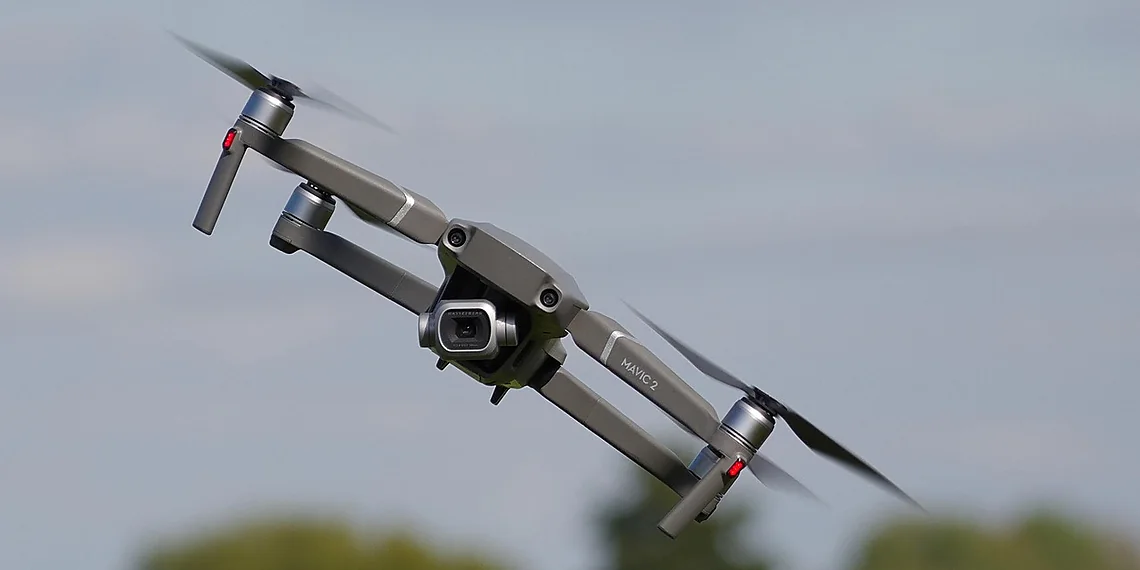
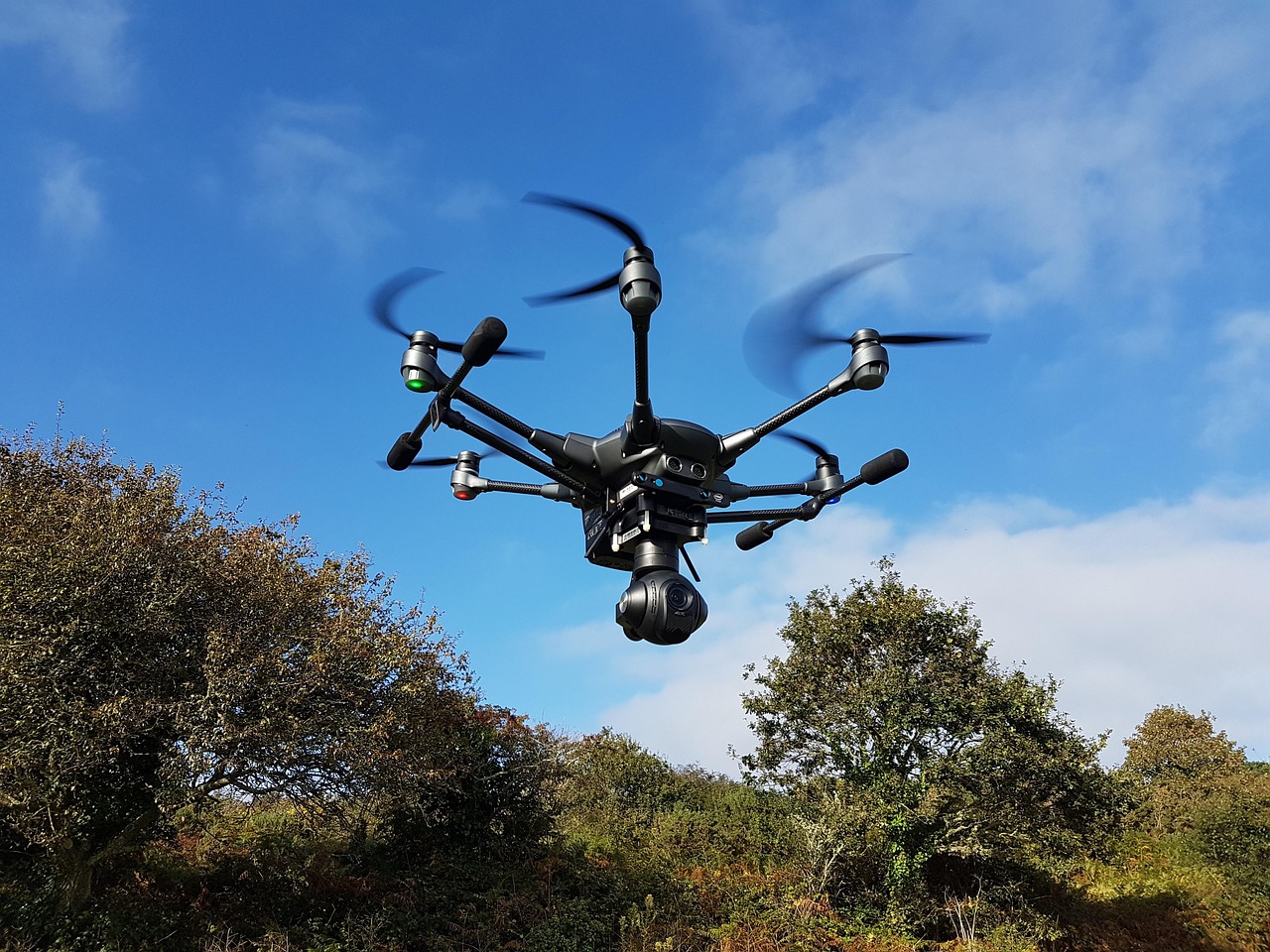
The initial phase of any effective emergency response often involves rapid assessment of the affected area. Consequently, robotic drones are taking on a crucial role in this process. These specialized drones are equipped with advanced sensors and AI algorithms designed to efficiently identify potential survivors and evaluate structural integrity. Notably, speed is paramount during disaster events; every second counts.
- Rapid Area Scanning: Drones quickly cover vast areas that would be difficult or dangerous for human responders to access directly.
- Survivor Detection: AI-powered image analysis allows drones to pinpoint individuals who may need assistance, even in challenging conditions.
- Real-time Data Transmission: Critical location data and potentially vital signs (where sensors permit) are relayed instantly to ground teams, enabling informed decision-making.
The RoboScout Team’s drones excel at this reconnaissance phase, providing invaluable intelligence before human rescuers even arrive on scene – a key element in effective rescue efforts.
Ground Support: Robot Dogs & Medical Teams
Following the drone reconnaissance, the gathered data is relayed to ground teams, comprised of both human medics and robot dogs. The AI prioritizes patients based on severity, directing the robot dogs (equipped with sophisticated navigation systems) towards those in most critical condition. Furthermore, these robots can carry essential medical supplies, communication equipment, or even small stretchers, offering immediate support.
Robot Dog Advantages
- Terrain Adaptability: Robot dogs exhibit remarkable agility, enabling them to navigate rubble and debris more effectively than traditional vehicles, reaching those who need a rescue.
- Payload Capacity: They can carry essential medical supplies or communication equipment, extending the reach of ground teams.
- Remote Operation: Rescuers can safely control them from a distance, minimizing risk to personnel while still delivering crucial aid.
The human medics work collaboratively with the robots, providing immediate medical attention and coordinating larger-scale rescue operations, demonstrating the power of combined human expertise and robotic capabilities.
Source: Read the original article here.
Discover more tech insights on ByteTrending.
Discover more from ByteTrending
Subscribe to get the latest posts sent to your email.