A Historic Moment for SpaceX
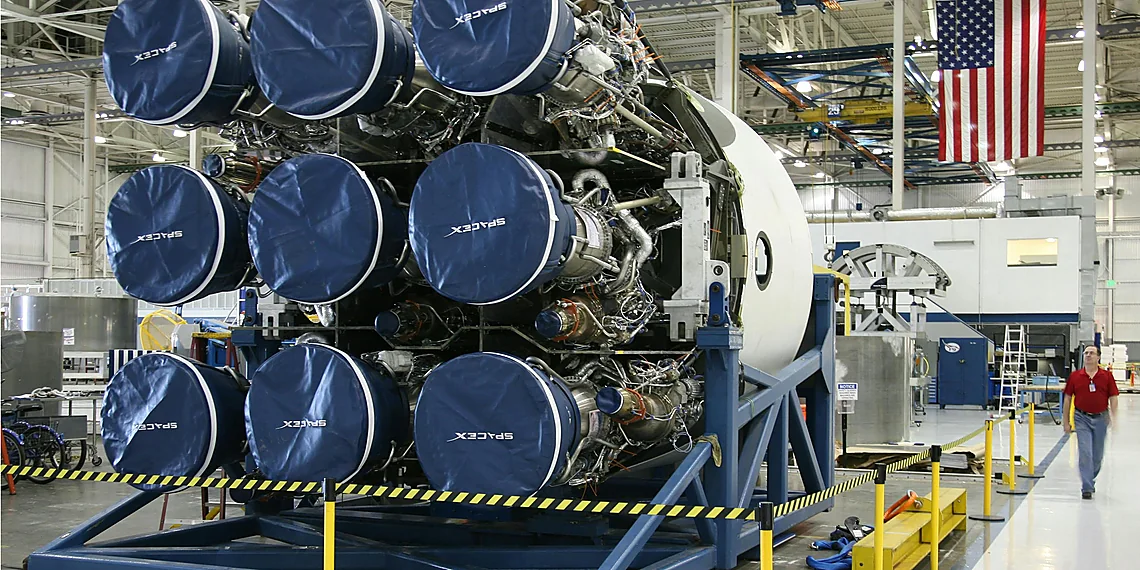
Yesterday, October 13th, marked a significant milestone in the ongoing development of SpaceX’s ambitious Starship program. The colossal rocket, designed to one day carry humans and cargo to the Moon, Mars, and beyond, undertook an integrated flight test from its launch site in Texas. This event captivated space enthusiasts worldwide, offering a glimpse into the future of deep-space exploration, particularly for those following the progress of the Starship initiative.
What Happened During the Flight?
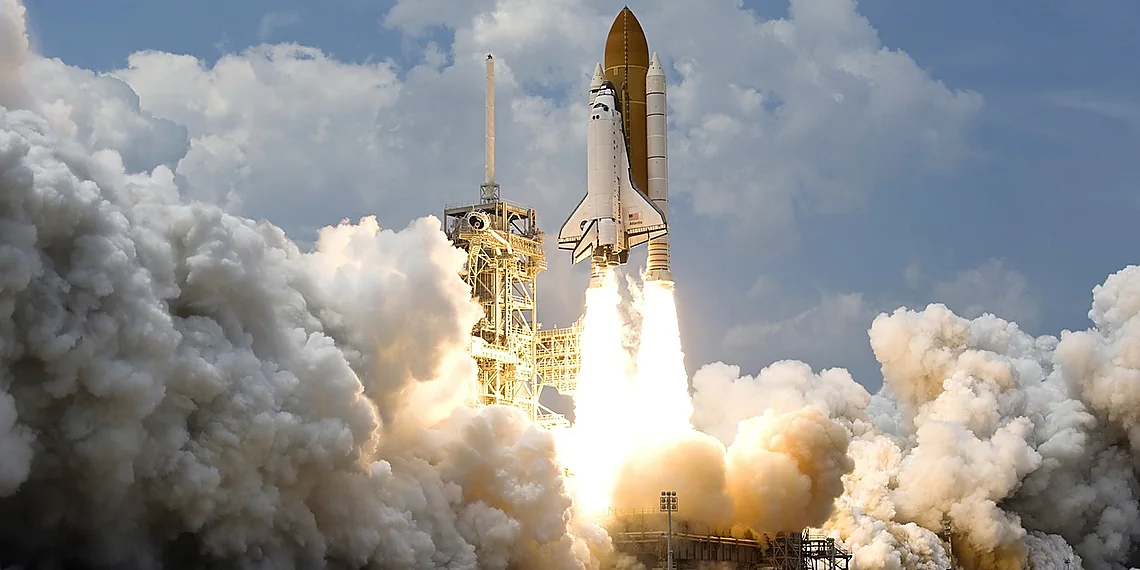
The Starship vehicle, comprising the Super Heavy booster and the Starship spacecraft itself, launched successfully at approximately 7:00 AM Central Time. The ascent initially appeared nominal; however, Super Heavy executed a planned separation shortly after liftoff. Subsequently, initial reports suggest that the Starship stage achieved powered flight and performed several maneuvers before splashing down in the Gulf of Mexico as planned. This represents a considerable improvement over previous test flights which experienced failures and demonstrates significant strides in Starship development.
// Example code snippet (not functional - illustrative only)const starshipTelemetry = { altitude: 10000, speed: 5000, status: 'nominal' };Addressing the Doubters and Future Implications
The successful flight test is particularly important for SpaceX. The company has faced considerable skepticism regarding its ability to develop a fully reusable launch system capable of interplanetary travel, specifically concerning Starship's ambitious goals. Critics have questioned both the technology's feasibility and the pace of development; therefore, this recent demonstration aims to quiet these doubts and showcase progress towards SpaceX’s ultimate objectives.
- Reusable Technology: The core design philosophy of Starship hinges on full reusability, a key factor in drastically reducing the cost of space travel.
- Lunar & Martian Ambitions: The vehicle is being designed to carry both crew and cargo for missions to the Moon (as part of NASA's Artemis program) and eventually Mars.
- Rapid Iteration: SpaceX’s approach emphasizes rapid prototyping and testing, learning from failures and quickly incorporating improvements; this iterative process is essential for Starship refinement.
The data gathered during this flight will be invaluable in refining the design and operational procedures for future Starship launches. Engineers will meticulously analyze telemetry data to identify areas for optimization.
Key Challenges & What's Next
Despite the overall success, challenges remain. While Super Heavy successfully separated, achieving a controlled landing of both stages represents a significant technological hurdle. Furthermore, Starship’s re-entry into the atmosphere generates immense heat; consequently, robust thermal protection systems are absolutely necessary for continued Starship missions.
| Area | Challenge |
|---|---|
| Super Heavy Booster | Controlled Landing & Reuse |
| Starship Spacecraft | Re-entry Heat Shield Performance |
| Overall System | Reliable and Frequent Flight Operations |
SpaceX is expected to conduct further flight tests in the coming months, building upon the lessons learned from this latest iteration. These tests will focus on refining various aspects of the vehicle's performance, progressively moving towards a fully operational Starship system.
The future of space exploration looks increasingly promising with advancements like these. SpaceX’s continued dedication to innovation and its willingness to embrace risk are driving us closer to becoming a multi-planetary species; ultimately contributing to the realization of Starship's potential.
Source: Read the original article here.
Discover more tech insights on ByteTrending.
Discover more from ByteTrending
Subscribe to get the latest posts sent to your email.