As impressive as Photoshop is, its subscription cost can be a significant barrier for many aspiring artists. Numerous alternatives exist, and editing images with Gemini is actually better than Photoshop in some aspects. However, AI tools aren’t always sufficient for all creative tasks; capable software remains essential. For digital artists seeking a robust and free alternative to Adobe Photoshop, Krita stands out as an excellent choice—and represents a powerful tool within the broader landscape of krita painting software.
Introducing Krita: Your Free Digital Art Powerhouse
Krita initially emerged as a solution for comic book creation, but it has since evolved into a comprehensive painting and image editing software suitable for diverse artistic endeavors. What’s truly remarkable is the level of functionality packed within this free and open-source program. The open-source nature fosters continuous refinement by a passionate community, resulting in regular updates and improvements to krita.
Key Features That Impress
- Brush Engines: Krita offers an impressive array of brush engines, including color smear, duplicate, flare, glitten, marker, pixel, spray, texture, and wet. These diverse options allow for incredibly varied artistic styles and effects.
- Customizable Workspace: The user interface is highly customizable, allowing artists to arrange panels and tools precisely as needed, catering perfectly to individual workflows.
- Layer Management: Robust layer management capabilities are essential for complex digital painting, and Krita delivers with grouping, blending modes, masks, and filters—everything a serious artist needs.
- HDR Support: Krita handles high dynamic range images seamlessly, providing flexibility in post-processing workflows.
Beyond the Basics: What Sets Krita Apart?
While many free image editors exist, Krita distinguishes itself with a strong focus on digital painting and illustration. It’s not simply a Photoshop clone; it’s built from the ground up to meet the specific needs of artists. A key differentiator is krita’s commitment to brush customization, enabling users to tweak every aspect of their brushes and create truly unique tools.

Furthermore, the program’s stability has noticeably improved in recent versions. Earlier iterations of krita sometimes experienced performance issues with large canvases or complex files; however, these problems have largely been addressed through dedicated community efforts and optimized code.
Comparing Krita to Photoshop
Photoshop remains the industry standard for a reason—its extensive features, powerful AI integration (Adobe Sensei), and deep integration with other Adobe Creative Cloud apps are significant advantages. However, for artists who don’t require those advanced capabilities or prefer an open-source solution, Krita offers a compelling alternative. The learning curve might be slightly steeper than some simpler editors initially; however, the payoff in terms of creative control is substantial.
Getting Started with Krita: A Quick Guide
Downloading and installing Krita is straightforward. Visit the official website and choose the appropriate version for your operating system (Windows, macOS, or Linux). Upon installation, you’ll be greeted by a clean interface with several pre-configured brush presets—experimenting with these is an excellent way to familiarize yourself with the software. Numerous online tutorials and community forums are readily available to assist users of all skill levels.
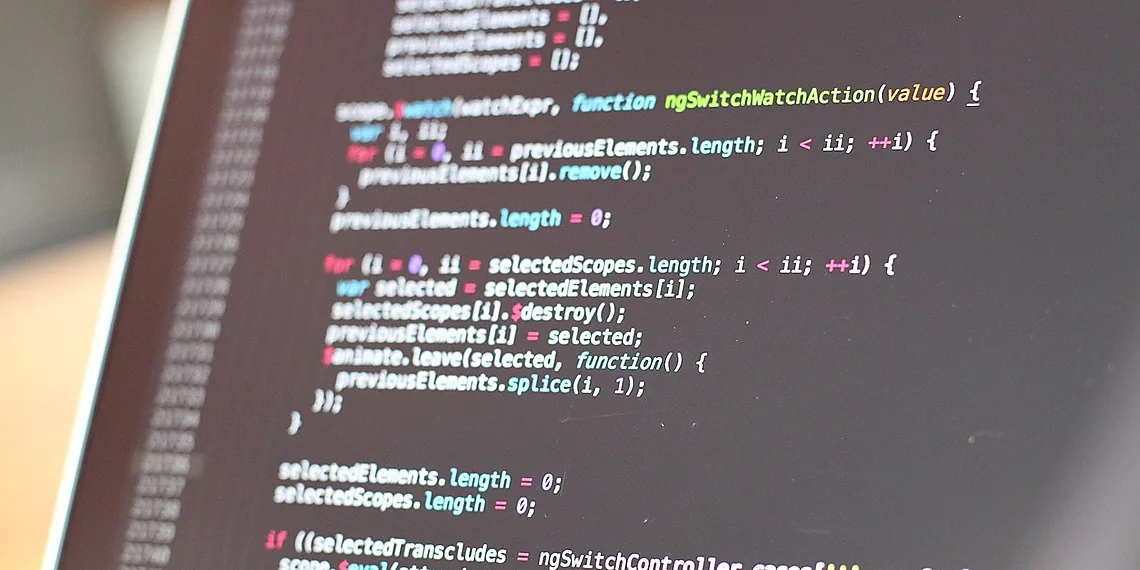
# Example Krita Script (Python) - Simple shape drawing from krita import *doc = app.activeDocument()canvas = doc.canvas()layer = doc.createLayer(Source: Read the original article here.
Discover more tech insights on ByteTrending.
Discover more from ByteTrending
Subscribe to get the latest posts sent to your email.