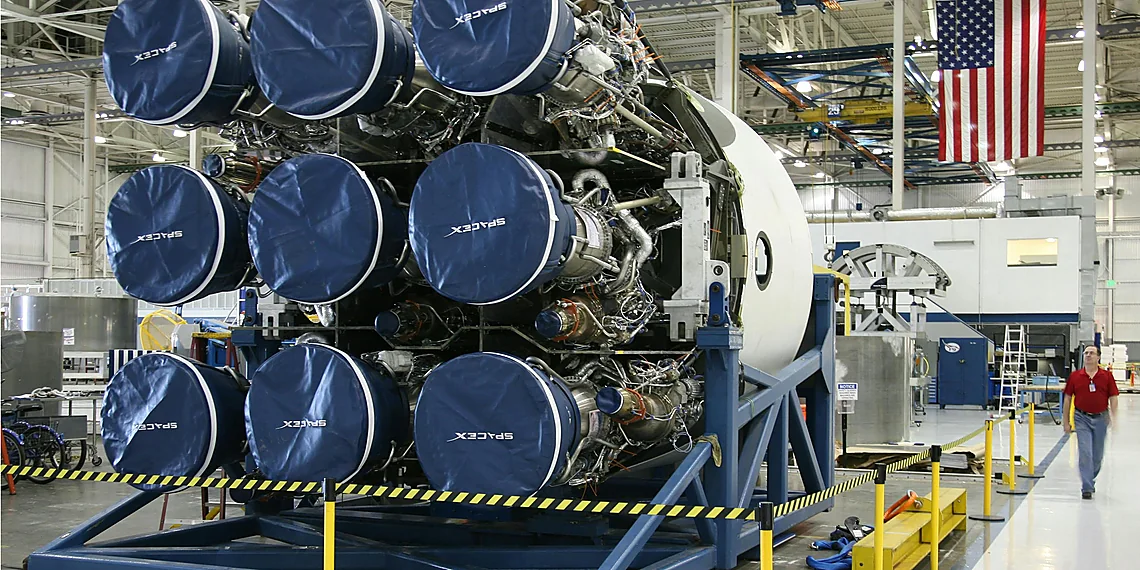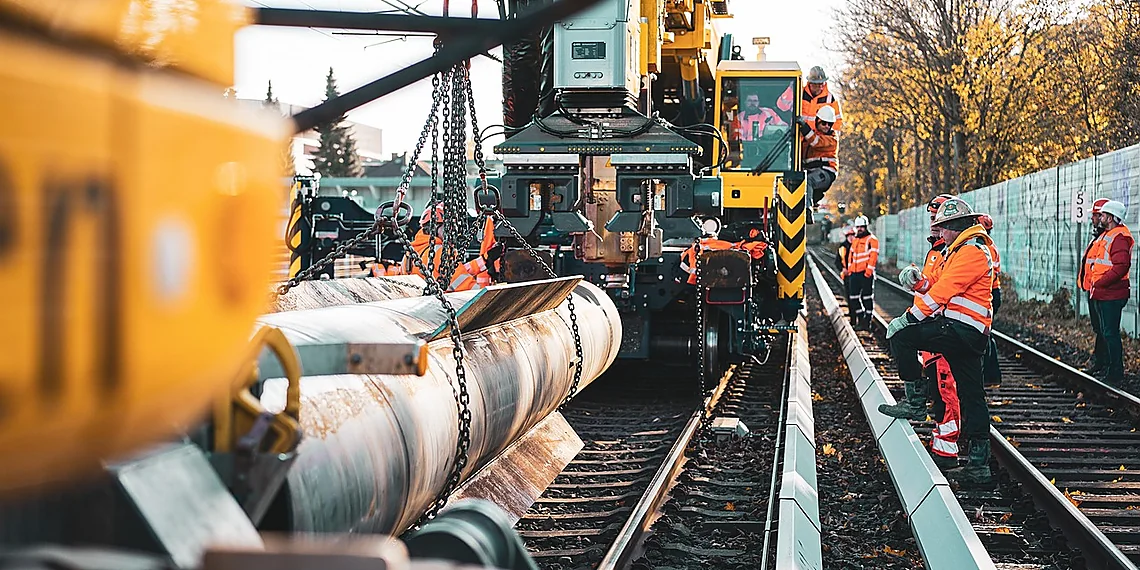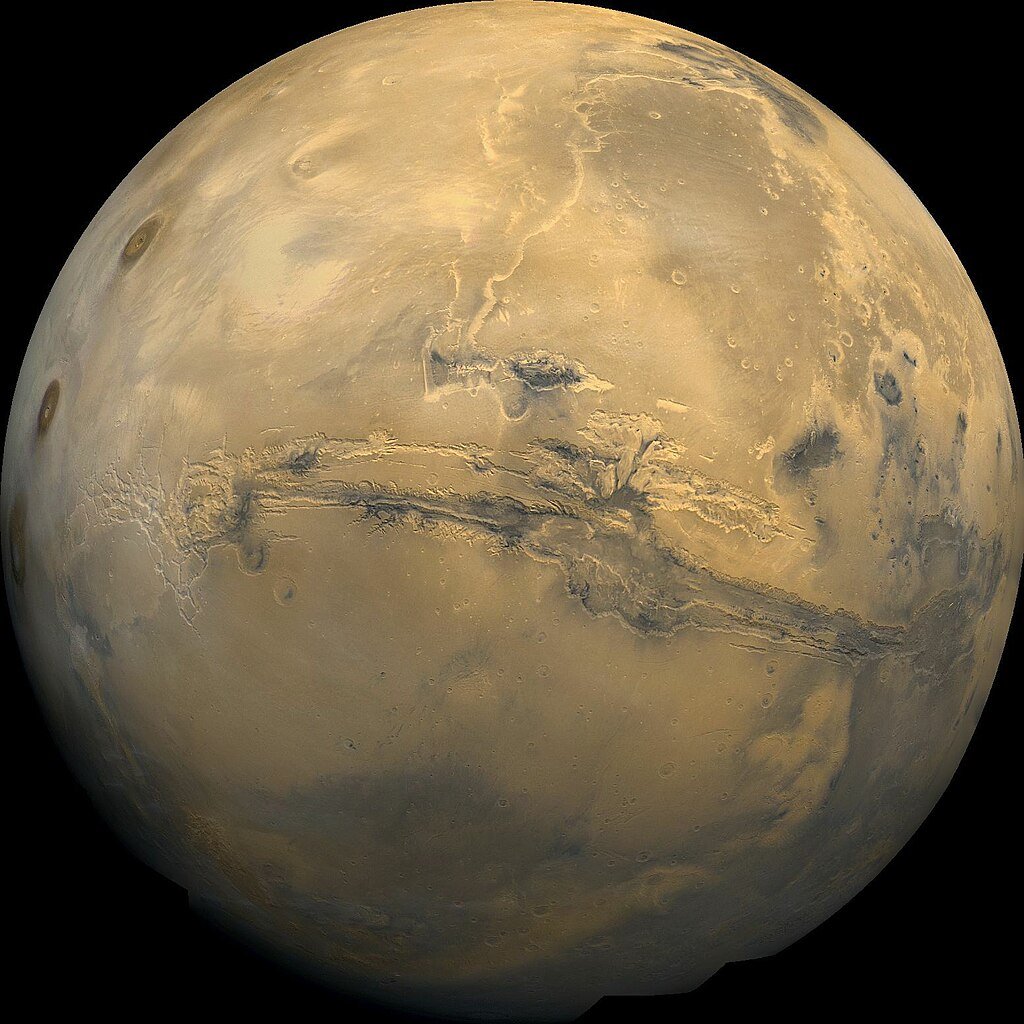

The dream of transforming Mars into a second Earth, a process known as terraforming, is captivating scientists and science fiction enthusiasts alike. Recent advancements in various fields are prompting serious discussions about whether humanity could actually reshape the Red Planet. While launching missions tomorrow isn’t on the table, a detailed roadmap has been proposed, considering breakthroughs in biology, climate engineering, and space launch technology. However, such an undertaking raises profound ethical questions; terraforming Mars could potentially erase valuable geological data, destroying any evidence of past Martian life and hindering our understanding of planetary evolution. Consequently, the question isn’t simply whether we can terraform Mars, but rather, *should* we?
The Significant Challenges of Martian Terraforming
Transforming Mars into a habitable world presents numerous significant obstacles. The planet’s atmosphere is incredibly thin, primarily composed of carbon dioxide and offering minimal protection from harmful solar and cosmic radiation. Furthermore, its low gravity and the absence of a global magnetic field add to the complexity of any potential terraforming project. Temperatures are consistently frigid, averaging around -62°C (-80°F), and liquid water is scarce on the surface. Addressing these issues requires a multi-faceted approach.
Critical Requirements for Martian Habitability
Several key areas demand attention when considering terraforming Mars. These include atmospheric thickening to retain heat and provide breathable air, increasing the planet’s temperature to support liquid water, and securing a reliable source of water for sustaining plant life.
- Atmospheric Thickening: Increasing atmospheric pressure is crucial for retaining heat and creating a more breathable atmosphere. This could involve releasing trapped greenhouse gases or importing them from elsewhere in the solar system – a monumental undertaking requiring significant resources.
- Temperature Increase: Warming Mars necessitates substantial energy input to counteract the planet’s frigid temperatures. Proposed strategies include deploying massive orbital mirrors to reflect sunlight onto the surface or spreading dark dust across the landscape to absorb more solar radiation, although both present their own challenges.
- Water Acquisition: Although evidence suggests water ice exists on Mars, accessing and distributing it across the planet would be essential for establishing a sustainable ecosystem capable of supporting plant life. This is a vital step in any successful terraforming initiative.
Innovative Solutions and Technological Advancements
Despite the formidable challenges, recent technological advancements offer promising pathways towards Martian terraforming. Scientists are exploring innovative solutions leveraging cutting-edge technologies and biological engineering.
Harnessing Biology and Space Technology
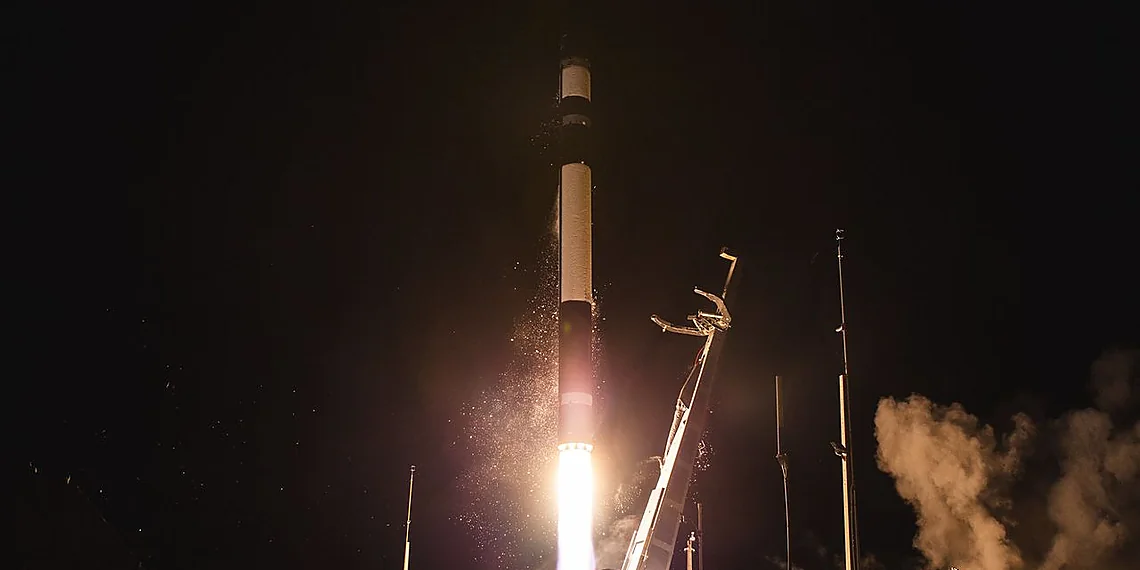
The potential of genetically engineered organisms is being actively explored; researchers are investigating extremophiles – microorganisms that thrive in extreme environments – and modifying them to survive and even alter the Martian environment. For example, algae could potentially convert carbon dioxide into oxygen, although this process would likely be slow initially. Moreover, advancements like those made by SpaceX significantly reduce the cost of space travel, making large-scale resource transport more feasible for a terraforming endeavor.

The Ethical Considerations Surrounding Planetary Transformation
The prospect of transforming another planet raises profound ethical considerations that demand careful scrutiny. Do we, as humans, have the right to fundamentally alter an alien environment, even if it appears uninhabited? Any terraforming effort carries the risk of destroying invaluable evidence of past or present life on Mars—life that could provide crucial insights into the origins and evolution of life throughout the universe.
“Terraforming is a grand vision, but we must proceed with caution and humility. The possibility of erasing Mars’s history before we even understand it is a serious concern.” – Dr. Elara Vance, Astrobiologist
Furthermore, the question arises: who decides how Mars should be terraformed? The potential for conflict over resources and control adds another layer of complexity to this ambitious project.
Conclusion: A Future Requiring Careful Deliberation
Transforming Mars into a more Earth-like world remains a long-term aspiration. While technological advancements are continuously making it appear increasingly conceivable, the ethical and practical challenges remain significant. The central question has shifted from simply asking “can we?” to critically evaluating “should we?”. Extensive research is essential to fully assess Mars’s potential for harboring past or present life before initiating any large-scale terraforming efforts. A more measured approach—perhaps focusing on establishing localized, self-contained habitats rather than complete planetary transformation—may offer a more responsible and sustainable path forward.
Source: Read the original article here.
Discover more tech insights on ByteTrending.
Discover more from ByteTrending
Subscribe to get the latest posts sent to your email.