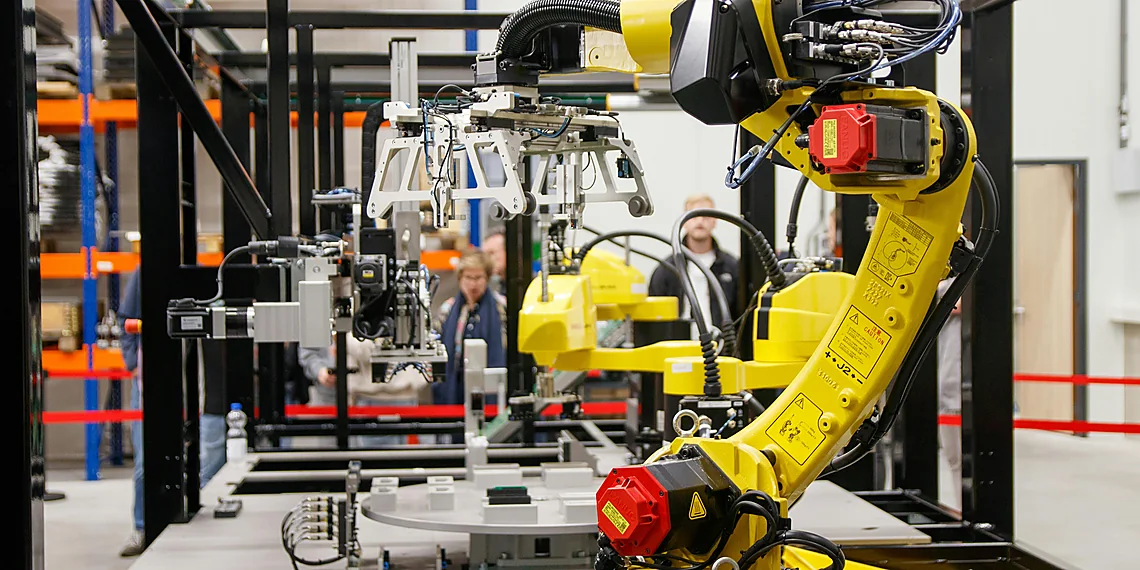


The field of robotics is rapidly evolving, promising to revolutionize industries ranging from manufacturing and logistics to healthcare and beyond. Building robots capable of safely and effectively collaborating with humans requires advanced capabilities in dexterity, perception, and coordination—skills that are traditionally difficult to acquire. Consequently, a “sim-first” approach has emerged as a crucial strategy for accelerating development.
Accelerating the Development of Physical AI
Recent advancements from NVIDIA focus on streamlining the creation process for robots through innovative solutions. These include improvements in physics simulation, open foundation models, and dedicated development frameworks—all designed to push the boundaries of what’s possible with robotics.
The Role of Advanced Physics Engines
Humanoid robots, particularly, present unique challenges due to their complex joint structures, balance requirements, and intricate movements. Therefore, existing physics engines are often pushed to their limits in accurately simulating these behaviors. Newton Physics Engine, a collaborative effort between Google DeepMind, Disney Research, and NVIDIA, addresses this need directly.
Furthermore, managed by the Linux Foundation and available on GitHub, Newton is an open-source physics engine optimized for GPU acceleration. It’s built upon NVIDIA Warp and OpenUSD, enabling more precise robot learning while seamlessly integrating with popular frameworks like MuJoCo Playground and NVIDIA Isaac Lab.
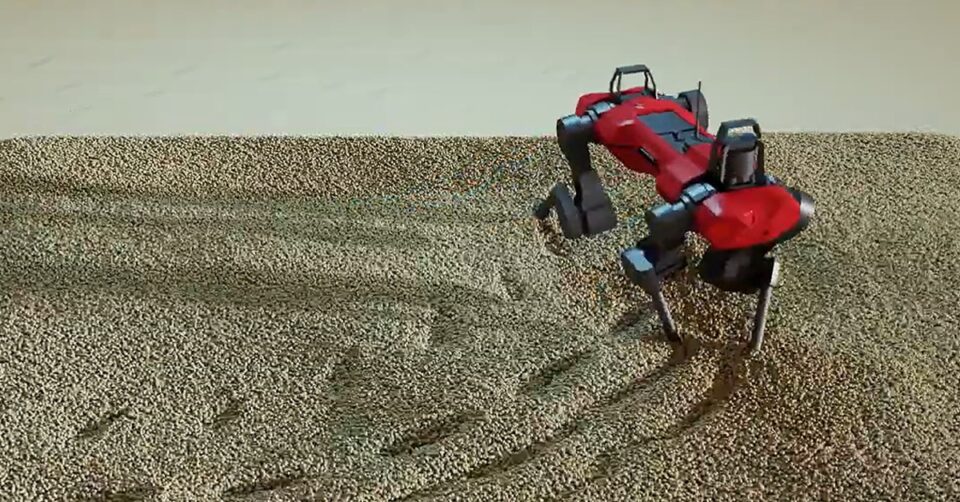
Notably, an upcoming livestream will provide a beta demonstration of Newton’s capabilities and offer guidance on getting started with NVIDIA Isaac Lab—a valuable opportunity for developers.
Foundation Models for Enhanced Robot Understanding
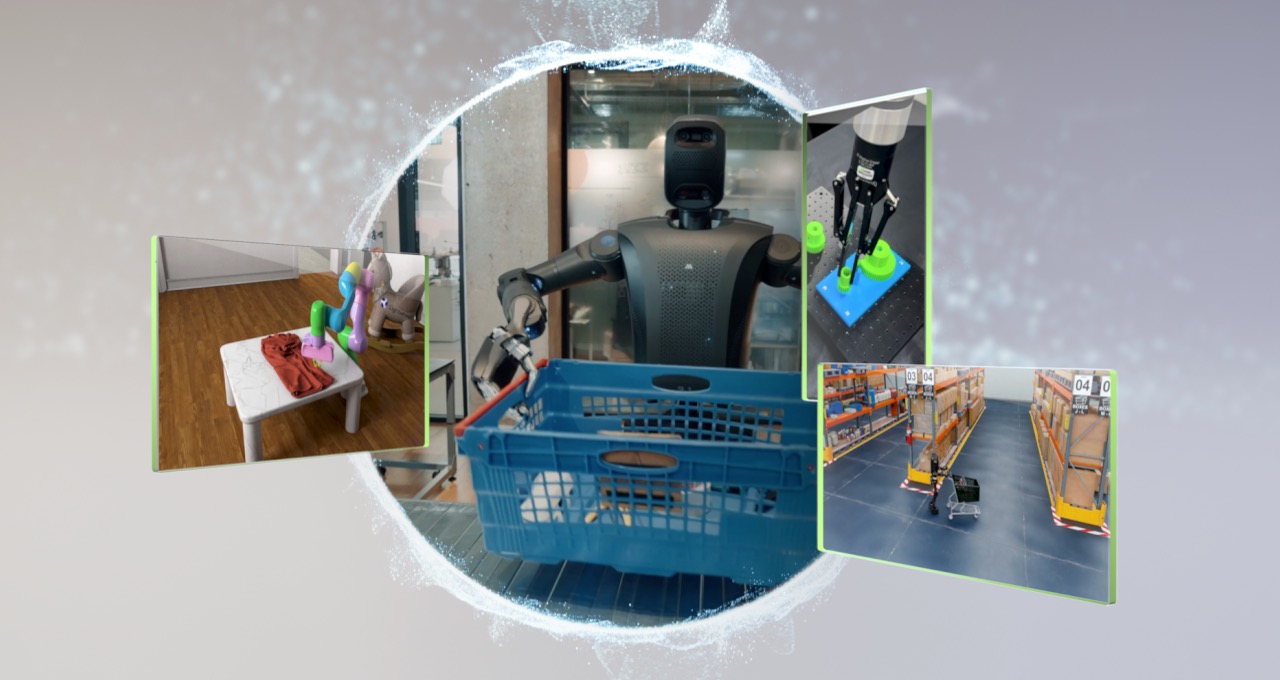
To effectively interact with the physical world, robots need to comprehend ambiguous instructions and adapt to unexpected situations. The latest release, Isaac GR00T N1.6, an open robot foundation model, is designed precisely for this purpose.
For example, Isaac GR00T N1.6 leverages NVIDIA Cos to enhance its understanding of complex environments; it’s scheduled for availability on Hugging Face soon and promises a significant leap forward in robotic intelligence. This advancement represents a critical step towards creating robots that can operate more intuitively and safely alongside humans.
Leveraging OpenUSD for Scalable Robot Development
Universal Scene Description (OpenUSD) serves as the bedrock for this advanced development methodology. It provides a scalable, interoperable data standard, allowing developers to construct realistic virtual worlds where robots can refine their skills before deployment in real-world scenarios.
Creating Physically Accurate Virtual Worlds
The power of OpenUSD lies in its ability to represent complex scenes with incredible fidelity. This enables the creation of highly accurate simulations that closely mirror real-world conditions, allowing for more effective robot training and testing. Consequently, robots learn from experiences that are directly transferable to their physical counterparts.
Ensuring Interoperability Across Platforms
Furthermore, OpenUSD’s interoperable nature is crucial. It facilitates seamless data exchange between different development tools and platforms, streamlining the entire robotics workflow. This collaborative approach accelerates innovation and reduces development bottlenecks. As a result, teams can work together more efficiently to build increasingly sophisticated robotic systems.
The Future of Robotics: A Sim-First Approach
The advancements highlighted here—from the Newton Physics Engine to Isaac GR00T N1.6 and OpenUSD—represent a significant shift in robotics development. The “sim-first” approach, powered by these technologies, is poised to unlock new levels of performance and capabilities for robots across a wide range of applications.
In conclusion, the combination of powerful simulation environments and open-source tools is accelerating progress in robotics, paving the way for a future where robots can seamlessly integrate into our lives and workplaces.
Source: Read the original article here.
Discover more tech insights on ByteTrending.
Discover more from ByteTrending
Subscribe to get the latest posts sent to your email.