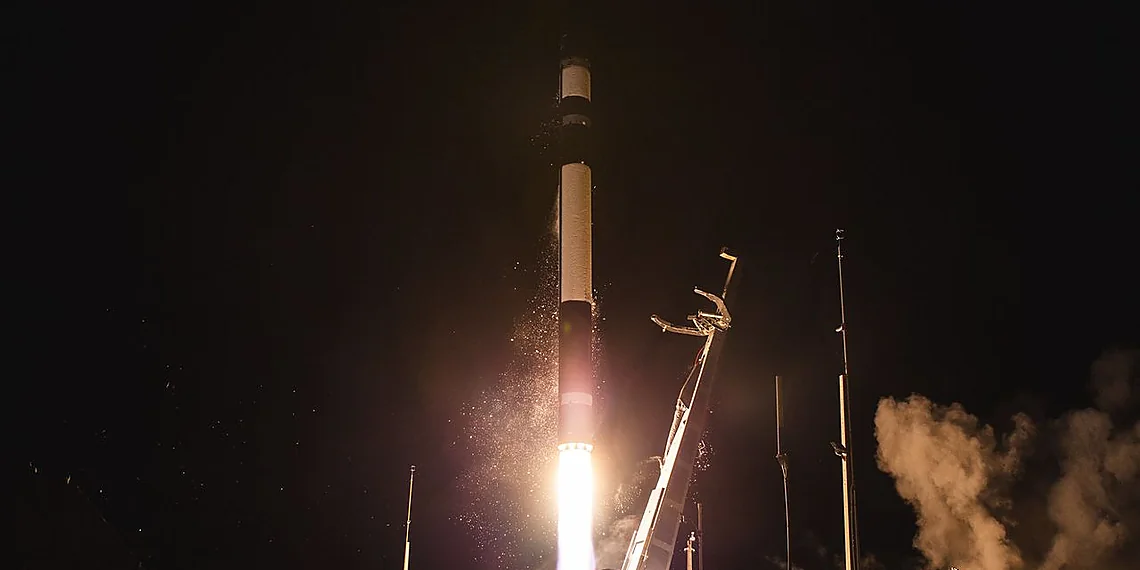
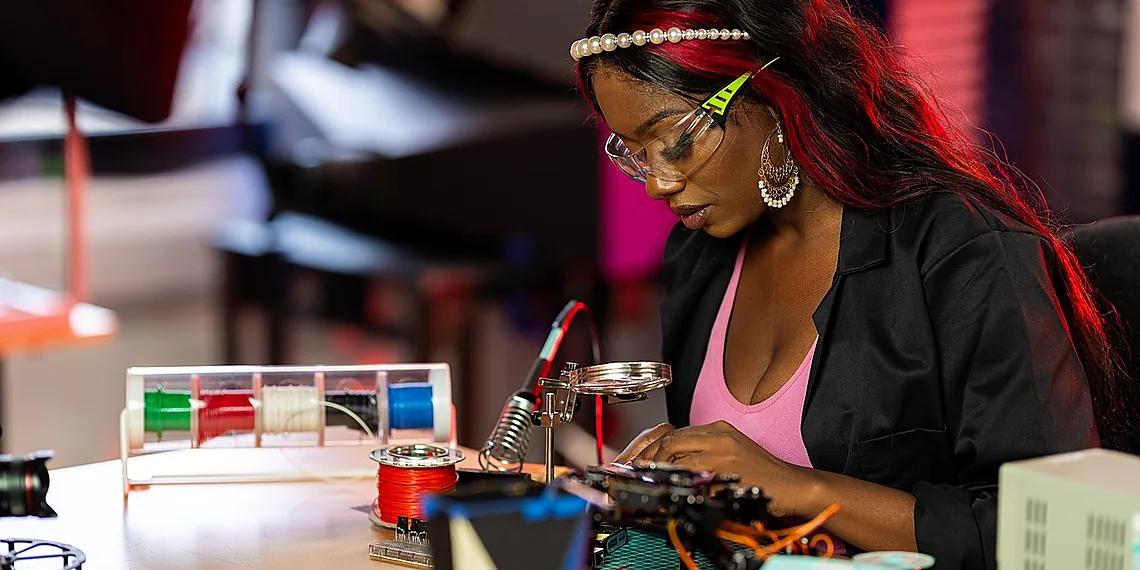
A critical component of the European Space Agency’s (ESA) ExoMars rover mission has recently embarked on a journey from Aberystwyth University in the United Kingdom, heading towards Italy. This pivotal step signifies an important phase in preparing for this ambitious Martian exploration project designed to uncover clues about potential past or present life.
Understanding the ExoMars Mission: A Search for Life
The ExoMars program embodies a collaborative effort between ESA and Roscosmos (the Russian space agency), focused on the compelling goal of searching for signs of life on Mars. The mission is structured around two primary elements: the Trace Gas Orbiter (TGO), which successfully entered Martian orbit in 2016, and the Rosalind Franklin rover. Initially slated for launch in 2020, the rover’s launch has been postponed due to several factors including recent geopolitical developments.
The Rover’s Crucial Role
The Rosalind Franklin rover is engineered to conduct a thorough scientific assessment of Mars. It incorporates an impressive suite of sophisticated instruments, notably including a drill capable of reaching depths of up to two meters beneath the surface—a significant advancement compared to previous rovers. This deeper drilling capability proves invaluable as it allows scientists to access potentially preserved organic molecules that might be shielded from harsh radiation and oxidation at the Martian surface. Furthermore, the rover’s analytical instruments are designed to precisely identify these compounds.
The Instrument’s Journey: From Wales to Italy for Rigorous Testing
On October 13th, a vital instrument – specific details of which are being withheld to protect intellectual property – departed from Aberystwyth University. Developed by researchers at the university’s Institute of Biological, Environmental and Rural Sciences (IBERS), this device plays a crucial role in analyzing samples gathered by the rover’s drill. It is essential that it performs flawlessly during its Martian mission.

Its destination is Italy, where it will undergo rigorous testing to guarantee its functionality and reliability under the challenging conditions encountered on Mars. These tests involve exposing the instrument to extreme temperatures, vacuum environments, and simulated Martian dust – all meticulously designed to replicate the difficulties of operating on the Red Planet. Notably, these simulations are critical for ensuring mission success.
Italy’s Key Contribution to ExoMars
Italy holds a significant position within the ExoMars mission framework. The Italian Space Agency (ASI) is providing substantial contributions, including essential hardware and specialized expertise. For example, several components of the rover’s drill system were developed in Italy, making it a particularly logical location for this critical testing phase to occur.
Looking Ahead: Preparing for Future Martian Exploration
The shipment from Aberystwyth University signifies another important milestone on the path towards the eventual launch and operation of the ExoMars rover. While delays have impacted the mission’s timeline, these ongoing tests and preparations underscore the commitment to uncovering secrets about Mars and potentially answering fundamental questions regarding life beyond Earth. As a result, continued rigorous testing is vital.
The perseverance and dedication of scientists and engineers across Europe continues to drive this ambitious ExoMars mission forward, bringing us closer to potentially groundbreaking discoveries about our neighboring planet. Furthermore, each successful test increases the likelihood of valuable scientific insights from Mars.
Source: Read the original article here.
Discover more tech insights on ByteTrending.
Discover more from ByteTrending
Subscribe to get the latest posts sent to your email.