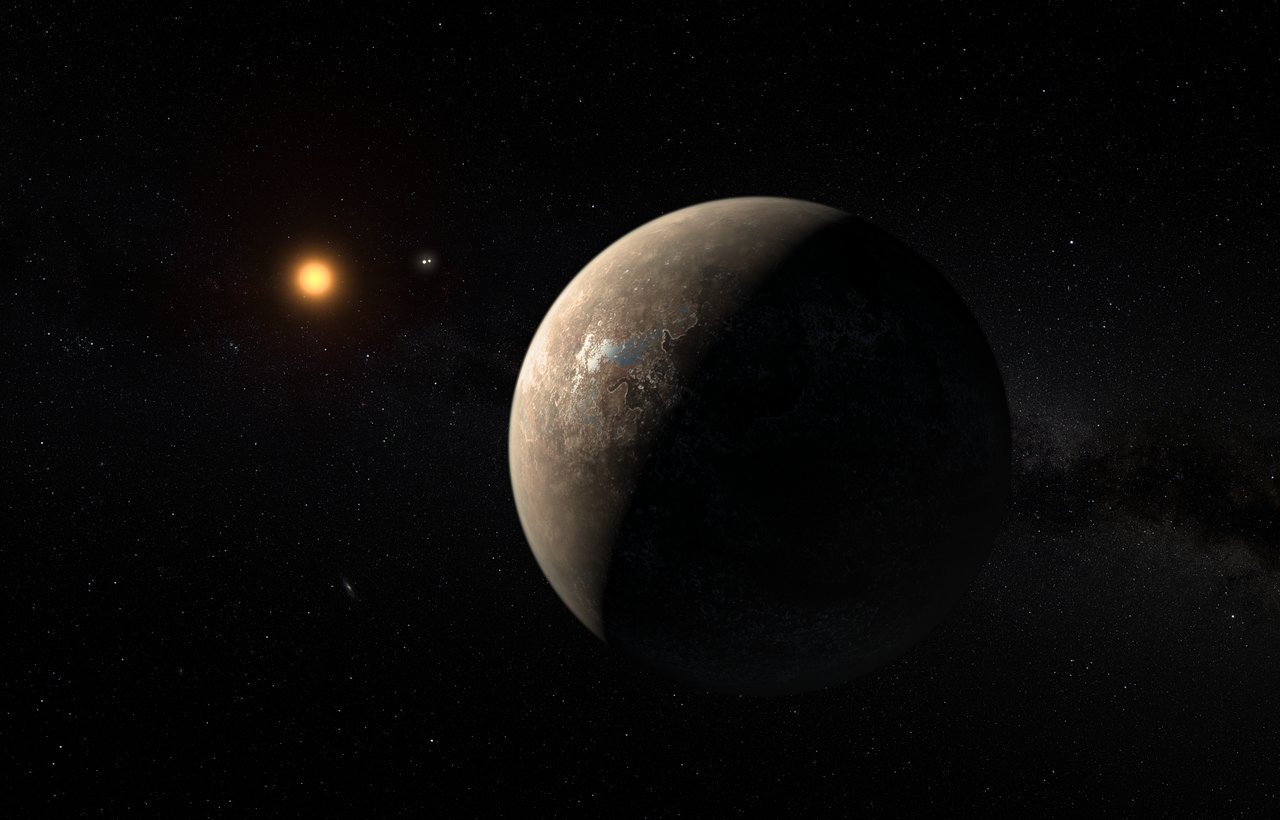



Unveiling the Secrets of Distant Worlds: JWST and Rocky Exoplanets
The James Webb Space Telescope (JWST) has dramatically transformed our understanding of the cosmos, especially within the burgeoning field of exoplanet research. While astronomers have been discovering planets orbiting other stars for decades, JWST’s unprecedented infrared capabilities are now enabling us to probe their atmospheres and potentially determine if they could harbor life. However, a key question remains: can rocky exoplanets, those similar in size and composition to Earth, effectively retain their atmospheres?
The Five-Scale Height Challenge
A recent study underscores a significant challenge when trying to characterize the atmospheres of these potentially habitable worlds. Currently, JWST hasn’t definitively established whether rocky exoplanets located relatively close to our solar system are capable of holding onto their atmospheres. The atmospheric data acquired so far is frequently noisy and difficult to interpret. Therefore, researchers have proposed a “five-scale height challenge” as a potential solution.
What Constitutes the Five-Scale Height Challenge?
The concept centers around obtaining remarkably precise measurements of an exoplanet’s atmosphere. A ‘scale height’ represents how much higher atmospheric pressure decreases with increasing altitude. Consequently, a five-scale height measurement essentially means observing a planet’s atmosphere to a depth representing five times its scale height—allowing for far more detailed analysis and differentiation between genuine atmospheric signals and noise. This level of detail is crucial in distinguishing subtle features.
# Python code demonstrating a simplified scale height calculation (conceptual) ☀️🌡️⛰️ ☀️🌡️⛰️ ☀️🌡️⛰️☀️🌡️⛰️☀️🌡️⛰️☀️🌡️⛰️☀️🌡️⛰️☀️🌡️⛰️☀️🌡️⛰️☀️🌡️⛰️☀️🌡️⛰️☀️🌡️⛰️☀️🌡️⛰️☀️🌡️⛰️☀️🌡️⛰️☀️🌡️⛰️☀️🌡️⛰️☀️🌡️⛰️☀️🌡️⛰️☀️🌡️⛰️☀️🌡️⛰️☀️🌡️⛰️☀️🌡️⛰️☀️🌡️⛰️☀️🌡️⛰️☀️🌡️⛰️☀️🌡️⛰️☀️🌡️⛰️☀️🌡️⛰️☀️🌡️⛰️☀️🌡️⛰️☀️🌡️⛰️☀️🌡️⛰️☀️🌡️⛰️☀️🌡️⛰️☀️🌡️⛰️☀️🌡️⛰️☀️🌡️⛰️☀️🌡️⛰️☀️🌡️⛰️☀️🌡️⛰️☀️🌡️⛰️☀️🌡️⛰️☀️🌡️⛰️☀️🌡️⛰️☀️🌡️⛰️☀️🌡️⛰️☀️🌡️⛰️☀️🌡️⛰️☀️🌡️⛰️☀️🌡️⛰️☀️🌡️⛰️☀️🌡️⛰️☀️🌡️⛰️☀️🌡️⛰️☀️🌡️⛰️☀️🌡️⛰️☀️🌡️⛰️☀️🌡️⛰️☀️🌡️⛰️☀️🌡️⛰️☀️🌡️⛰️☀️🌡️⛰️☀️🌡️⛰️☀️🌡️⛰️☀️🌡️⛰️☀️🌡️⛰️☀️🌡️⛰️☀️🌡️⛰️☀️🌡️⛰️☀️🌡️⛰️☀️🌡️⛰️☀️🌡️⛰️☀️🌡️⛰️☀️🌡️⛰️☀️🌡️⛰️☀️🌡️⛰️☀️🌡️⛰️☀️🌡️⛰️☀️🌡️⛰️☀️🌡️⛰️☀️🌡️⛰️☀️🌡️⛰️☀️🌡️⛰️☀️🌡️⛰️☀️🌡️⛰️☀️🌡️⛰️☀️🌡️⛰️☀️🌡️⛰️☀️🌡️⛰️☀️🌡️⛰️☀️🌡️⛰️☀️🌡️⛰️☀️🌡️⛰️☀️🌡️⛰️☀️🌡️⛰️☀️🌡️⛰️☀️🌡️⛰️☀️🌡️⛰️☀️🌡️⛰️☀️🌡️⛰️☀️🌡️⛰️☀️🌡️⛰️☀️🌡️⛰️☀️🌡️⛰️☀️🌡️⛰️☀️🌡️⛰️☀️🌡️⛰️☀️🌡️⛰️☀️🌡️⛰️☀️🌡️⛰️☀️🌡️⛰️☀️🌡️⛰️☀️🌡️⛰️☀️🌡️⛰️☀️🌡️⛰️☀️🌡️⛰️☀️🌡️⛰️☀️🌡️⛰️☀️🌡️⛰️☀️🌡️⛰️☀️🌡️⛰️☀️🌡️⛰️☀️🌡️⛰️☀️🌡️⛰️☀️🌡️⛰️☀️🌡️⛰️☀️🌡️⛰️☀️🌡️⛰️☀️🌡️⛰️☀️🌡️⛰️☀️🌡️⛰️☀️🌡️⛰️☀️🌡️⛰️☀️🌡️⛰️☀️🌡️⛰️☀️🌡️⛰️☀️🌡️⛰️☀️🌡️⛰️☀️🌡️⛰️☀️🌡️⛰️☀️🌡️⛰️☀️🌡️⛰️☀️🌡️⛰️☀️🌡️⛰️☀️🌡️⛰️☀️🌡️⛰️☀️🌡️⛰️☀️🌡️⛰️☀️🌡️⛰️☀️🌡️⛰️☀️🌡️⛰️☀️🌡️⛰️☀️🌡️⛰️☀️🌡️⛰️☀️🌡️⛰️☀️🌡️⛰️☀️🌡️⛰️☀️🌡️⛰️☀️🌡️⛰️☀️🌡️⛰️☀️🌡️⛰️☀️🌡️⛰️☀️🌡️⛰️☀️🌡️⛰️☀️🌡️⛰️☀️🌡️⛰️☀️🌡️⛰️☀️🌡️⛰️☀️🌡️⛰️☀️🌡️⛰️☀️🌡️⛰️☀️🌡️⛰️☀️🌡️⛰️☀️🌡️⛰️☀️🌡️⛰️☀️🌡️⛰️☀️🌡️⛰️☀️🌡️⛰️☀️🌡️⛰️☀️🌡️⛰️☀️🌡️⛰️☀️🌡️⛰️☀️🌡️⛰️☀️🌡️⛰️☀️🌡️⛰️☀️🌡️⛰️☀️🌡️⛰️☀️🌡️⛰️☀️🌡️⛰️☀️🌡️⛰️☀️🌡️⛰️☀️🌡️⛰️☀️🌡️⛰️☀️🌡️⛰️☀️🌡️⛰️☀️🌡️⛰️☀️🌡️⛰️☀️🌡️⛰️☀️🌡️⛰️☀️🌡️⛰️☀️🌡️⛰️☀️🌡️⛰️☀️🌡️⛰️☀️🌡️⛰️☀️🌡️⛰️☀️🌡️⛰️☀️🌡️⛰️ def calculate_scale_height(temperature, gravity, gas_constant): """Calculates the scale height of an atmosphere.""" scale_height = gas_constant * temperature / (gravity) return scale_height # Example values (in SI units - for demonstration purposes only) temperature = 300 # Kelvin gravity = 9.81 # m/s^2 gas_constant = 8.314 # J/(mol*K) scale_height = calculate_scale_height(temperature, gravity, gas_constant) print(f"The scale height is: {scale_height:.2f} meters")Achieving this precision requires exceptionally long observation times and sophisticated data processing techniques. Furthermore, it necessitates that the exoplanet’s atmosphere possesses unique spectral fingerprints, which facilitates easier differentiation from background noise.
Why Atmospheric Retention is Crucial
The presence or absence of an atmosphere proves critical for habitability. An atmosphere provides a planet with insulation, distributes heat effectively, and shields the surface from harmful radiation—all vital factors. Without these conditions, even a rocky planet within the habitable zone might prove inhospitable.
Challenges in Atmospheric Characterization
Analyzing exoplanet atmospheres is an incredibly complex endeavor, primarily due to their immense distance and the faintness of their light. JWST’s observations are often hampered by stellar contamination – light from the host star that can obscure atmospheric signals. Additionally, understanding the composition of these distant atmospheres requires detailed modeling and careful interpretation of spectral data. As a result, further advancements in observational techniques and analytical methods remain essential for accurately assessing exoplanet habitability.
Looking Ahead: The Future of Exoplanet Research
Despite the challenges, the future of exoplanet research looks exceptionally promising. Ongoing and planned missions are expected to provide even more detailed insights into these distant worlds. Notably, continued observations with JWST, coupled with data from ground-based telescopes, will undoubtedly refine our understanding of atmospheric retention and habitability. Ultimately, the pursuit of knowledge about exoplanets brings us closer to answering the profound question: are we alone?
Source: Read the original article here.
Discover more tech insights on ByteTrending.
Discover more from ByteTrending
Subscribe to get the latest posts sent to your email.