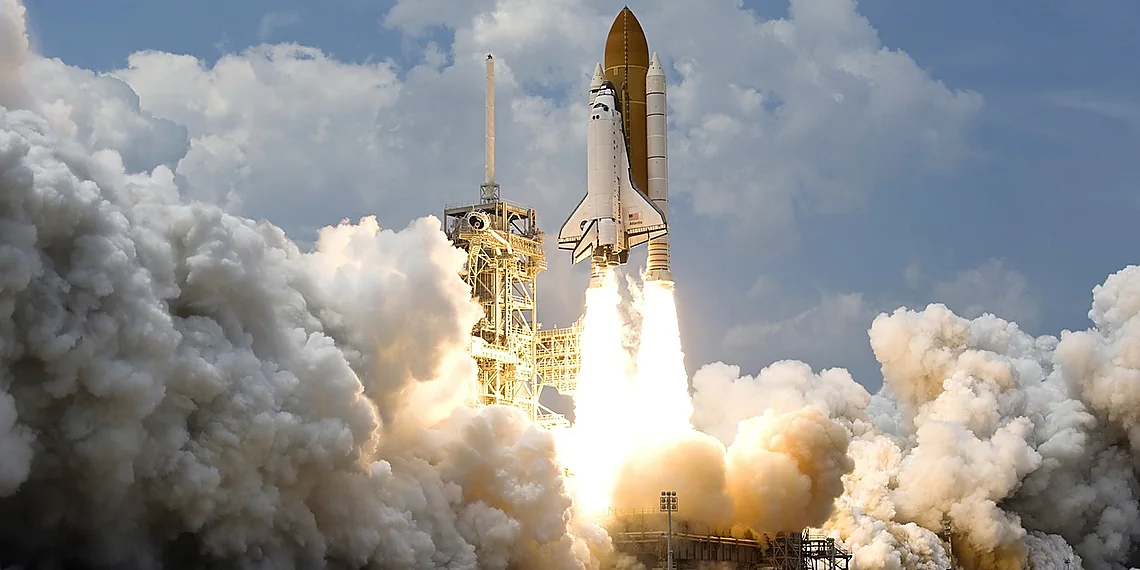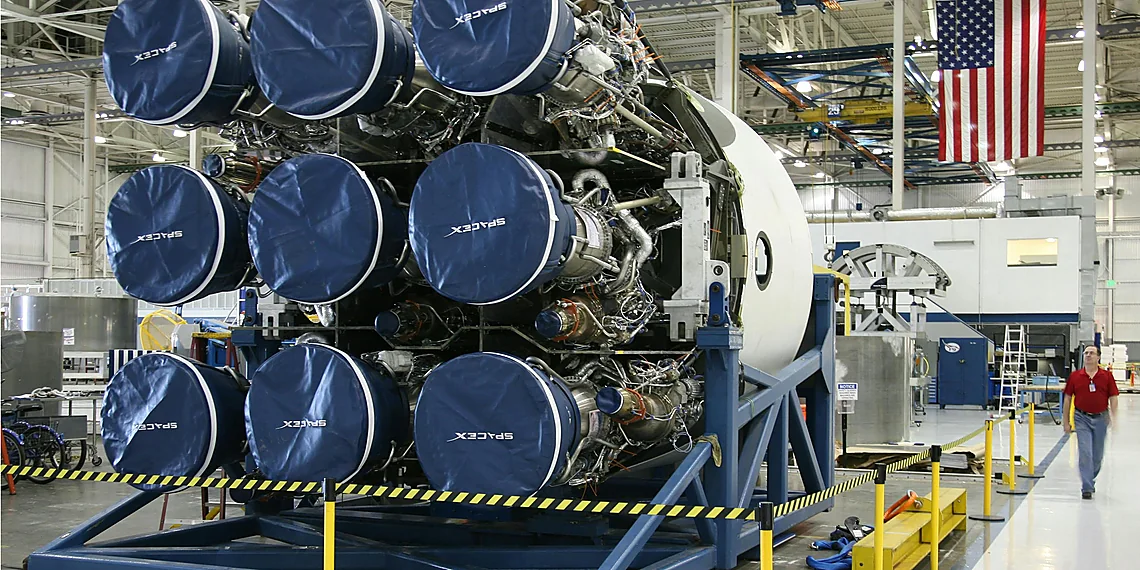

Esteemed space exploration enthusiasts, the scheduling of yet another Starship test flight by SpaceX highlights their unwavering commitment to rapid iteration and advancement in space travel. Recently, Space Daily reported that SpaceX, led by Elon Musk, will conduct its 11th Starship test today, amid concerns about the United States potentially falling behind in the race to return humans to the Moon. Furthermore, this aggressive timeline underscores the importance of continuous improvement and innovation within the space industry.
Understanding SpaceX’s Latest Starship Test
SpaceX’s dedication to rapid iteration is strikingly evident with the scheduling of another Starship test flight. This follows a series of attempts designed to refine launch procedures, booster separation, and overall vehicle performance. The frequency of these tests demonstrates SpaceX’s ambitious goal of achieving fully reusable space travel capabilities. Notably, the upcoming flight (the 11th) occurs amidst rising concerns about America’s position in lunar exploration—a competitive landscape where nations like China are also pursuing ambitious goals.
Why These Test Flights Matter
Each test flight, irrespective of its outcome, provides invaluable data for SpaceX engineers. Data collected during launches and landings allows them to pinpoint areas needing improvement; specifically, engine performance, structural integrity, and navigation systems. The failures themselves are as crucial as the successes, because they reveal weaknesses that can be addressed iteratively. For example, previous test flights have highlighted challenges in booster separation, prompting design modifications for subsequent attempts. Therefore, the primary focus remains on achieving a fully reusable system—a development which would dramatically reduce the cost of space travel and unlock opportunities for deep-space missions.
The Context: US Lunar Ambitions
The timing of this test flight is particularly significant. There’s growing worry that the United States might be falling behind in the renewed race to return humans to the Moon. NASA’s Artemis program, while progressing steadily, has also faced delays and budget constraints; consequently, alternative approaches are being explored. SpaceX’s Starship, with its potential for heavy lift capabilities and reusability, represents a potentially faster route back to the lunar surface—if the current development hurdles can be overcome.
Starship’s Role in Future Space Exploration
Starship isn’t solely about returning humans to the Moon. It’s designed as a versatile platform for interplanetary travel—with Mars representing Elon Musk’s ultimate destination. The system’s ability to carry significant cargo and personnel makes it uniquely suited for establishing settlements beyond Earth, which would necessitate robust transportation infrastructure. As a result of these capabilities, ongoing test flights are laying the groundwork for these ambitious future missions.
What to Expect from Flight 11
While specific objectives for flight 11 haven’t been explicitly detailed publicly, we can anticipate a continued focus on booster separation and controlled descent. Improvements made based on data from previous flights will be put to the test; therefore, observing these refinements is crucial. Live streams of the launch are expected, offering viewers real-time insights into this critical stage of Starship’s development.
The ongoing development of Starship is a testament to the power of iterative design and relentless testing. It underscores the critical role private space companies play in shaping the future of space exploration, even amidst national concerns about maintaining leadership in this domain. Ultimately, SpaceX’s work with Starship promises to revolutionize access to space.
Source: Read the original article here.
Discover more tech insights on ByteTrending.
Discover more from ByteTrending
Subscribe to get the latest posts sent to your email.