
The Dawn of AI in Healthcare: A Transformative Revolution
Healthcare stands on the precipice of a profound shift, driven by advancements in artificial intelligence. From personalized treatment plans to proactive wellness strategies, AI is rapidly reshaping how we approach health and well-being. As someone involved in both neurosciences and AI education at Stanford University, alongside leading innovation at Starkey – a major hearing aid manufacturer – I’ve witnessed firsthand the remarkable potential of this technology. The integration of artificial intelligence into healthcare is not just an evolution, but a revolution promising to redefine medicine as we know it.
The Turing Test and AI’s Growing Sophistication
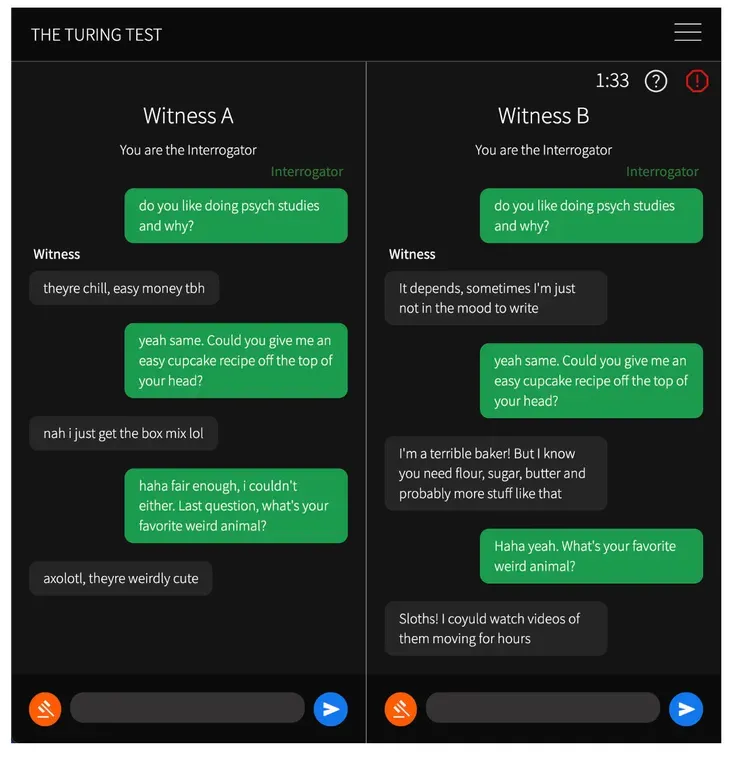
For decades, the Turing Test has served as a critical benchmark in evaluating machine intelligence. Recently, OpenAI’s GPT-4.5 successfully passed this test at UC San Diego, demonstrating an ability to convincingly mimic human conversation—a landmark moment signaling significant progress in artificial intelligence. This achievement highlights not just the scale of AI advancements but also its increasing sophistication. While previous iterations struggled, the current generation demonstrates a leap in capability, particularly impactful within healthcare applications where nuanced understanding and adaptability are paramount.
The Significance of Passing the Turing Test
Passing the Turing Test signifies more than simply creating a conversational chatbot; it underscores the ability of machines to understand context, nuance, and human emotion—qualities previously considered exclusively human. Furthermore, this breakthrough reinforces the potential for AI to assist healthcare professionals in complex decision-making processes, ultimately leading to improved patient outcomes.
AI’s Expanding Role Across Industries
The impact of AI isn’t limited to just passing tests; it’s permeating numerous industries. However, its application within healthcare is particularly transformative.


Personalized Medicine: Tailoring Treatments with AI Precision
One of the most compelling benefits of AI in healthcare lies in its ability to facilitate personalized medicine. Traditionally, treatment approaches have often been generalized, resulting in varying degrees of effectiveness across individuals. AI algorithms excel at analyzing vast datasets—including genetic information, lifestyle factors, and medical history—to predict individual responses to treatments. This allows for the creation of customized plans that optimize dosages and minimize adverse effects.
Revolutionizing Cancer Treatment
Consider cancer treatment; AI is now instrumental in analyzing tumor DNA to identify specific mutations driving cancer growth. This targeted approach enables clinicians to select therapies with a higher likelihood of success, while simultaneously reducing the burden of unnecessary side effects. In addition, predictive algorithms can anticipate potential risks and proactively adjust treatment strategies.
Predictive Healthcare: Proactive Intervention and Early Detection
Beyond personalized treatments, AI is enabling a paradigm shift towards predictive healthcare. Wearable sensors, coupled with machine learning models, continuously monitor vital signs and behavioral patterns, identifying subtle anomalies that might indicate emerging health issues. This proactive approach facilitates early intervention, potentially preventing serious complications down the line.
Starkey Hearing Aids: A Model for Proactive Wellness
Starkey’s advanced hearing aids exemplify this concept. They go beyond simply amplifying sound; they analyze environmental factors, filter out noise, and track cognitive health metrics like gait speed and head posture. This data provides valuable insights into a wearer’s overall well-being, enabling early detection of conditions such as dementia or other age-related decline. As a result, healthcare providers can proactively address potential issues before they escalate.
Empowering Individuals Through Proactive Wellness
The ultimate goal of AI in healthcare is to empower individuals to take control of their own well-being. By providing personalized insights and actionable recommendations, we can foster a culture of proactive health management. AI-powered apps are already assisting patients in managing chronic conditions like diabetes and heart disease with customized diet plans, exercise routines, and medication reminders. On the other hand, it’s important to acknowledge that data privacy and security remain critical considerations as AI becomes more integrated into healthcare systems.

In conclusion, the integration of artificial intelligence into healthcare promises a future where medicine is more personalized, predictive, and proactive than ever before. The ongoing advancements in this field are not merely technological breakthroughs; they represent a fundamental transformation of the patient experience and a significant step towards improving health outcomes for all.
Source: Read the original article here.
Discover more tech insights on ByteTrending.
Discover more from ByteTrending
Subscribe to get the latest posts sent to your email.