Unleash the Horror: Mastering Video Game Photomode
Video game photomodes have evolved significantly beyond simple screenshots; they’re now powerful tools for artistic expression and creative storytelling. Want to capture the chilling atmosphere of a horror game or highlight a tense moment? Here’s how to craft genuinely scary and impactful images using this increasingly sophisticated feature.
Embracing Darkness: The Foundation of Horror Imagery
Harnessing Shadows and Depth
Horror thrives on obscurity, so darkness is your greatest ally. Consequently, utilize your photomode’s depth-of-field settings to blur the background, effectively isolating your subject in a pool of shadows. Furthermore, experiment with light sources – even a single flickering candle or the eerie glow emanating from a monster’s eyes can create incredible drama and visual tension. In addition, playing with vignette effects can further draw attention to the central figure.
Composition Techniques for Maximum Impact
Don’t just point and shoot! Applying classic photography principles is essential. The rule of thirds places key elements off-center, creating visual interest and a more dynamic composition. As a result, use leading lines – such as hallways or fences – to draw the viewer’s eye towards a focal point, perhaps hinting at a lurking threat or guiding them through a scene of dread. Therefore, thoughtful framing can significantly enhance the unsettling nature of your images.
Advanced Photomode Techniques for Evocative Horror
Leveraging Lighting and Post-Processing
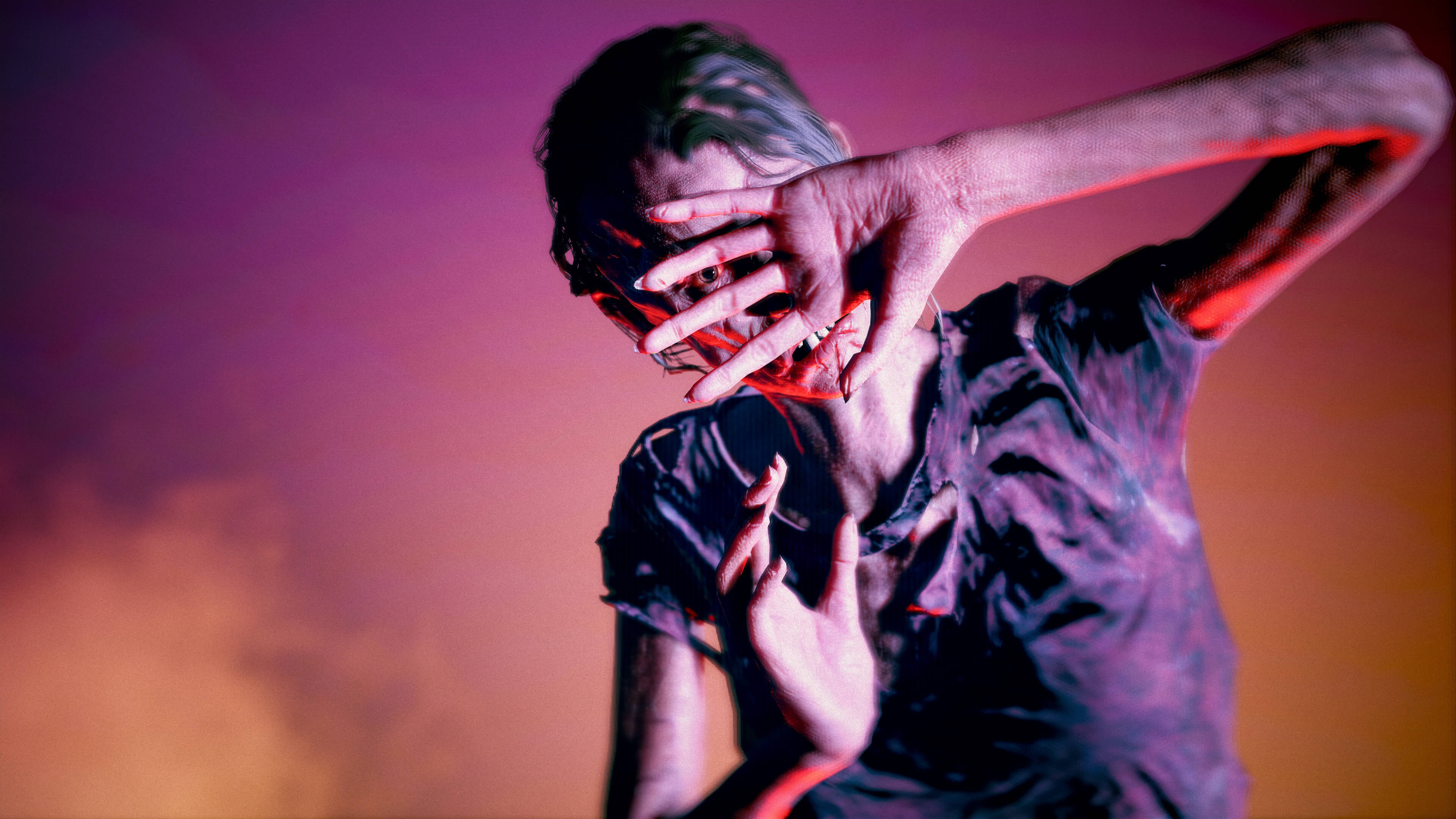
Many photomodes offer advanced lighting controls, allowing you to simulate unsettling atmospheric conditions like fog or heat haze. Contrast is your friend; harsh shadows emphasize form and create a sense of unease. For example, consider using filters that desaturate colors, emphasizing grayscale tones for a truly bleak aesthetic. Similarly, subtle adjustments in color grading can significantly impact the overall mood.
Posing, Perspective & Environmental Storytelling
The way characters are positioned profoundly alters the mood of an image. A character frozen in fear, or recoiling from something unseen, tells a story without words. Experiment with low angles to make your subject appear vulnerable and small against a towering monster or environment; this perspective shift enhances the feeling of helplessness. On the other hand, environmental storytelling is equally crucial – use the game world itself—decaying architecture, scattered belongings, or pools of blood (if appropriate)—to hint at a disturbing narrative. Notably, even a single overturned chair can be more terrifying than a direct confrontation.
Embracing Imperfection: Glitches and Unexpected Moments
Sometimes, glitches can unexpectedly elevate the horror – don’t shy away from them! A distorted texture or an unnatural animation can create a genuinely disturbing image that transcends conventional horror tropes. Therefore, remember to save those moments; they often provide unique artistic opportunities.
Conclusion: Mastering Photomode for Fearful Creations
Video game photomodes offer a distinctive opportunity to confront your fears and transform them into compelling works of art. By combining technical skill with artistic vision, you can create images that are not only scary but also profoundly evocative. So, dive in, experiment, and unleash the horror within!
Source: Read the original article here.
Discover more tech insights on ByteTrending.
Discover more from ByteTrending
Subscribe to get the latest posts sent to your email.