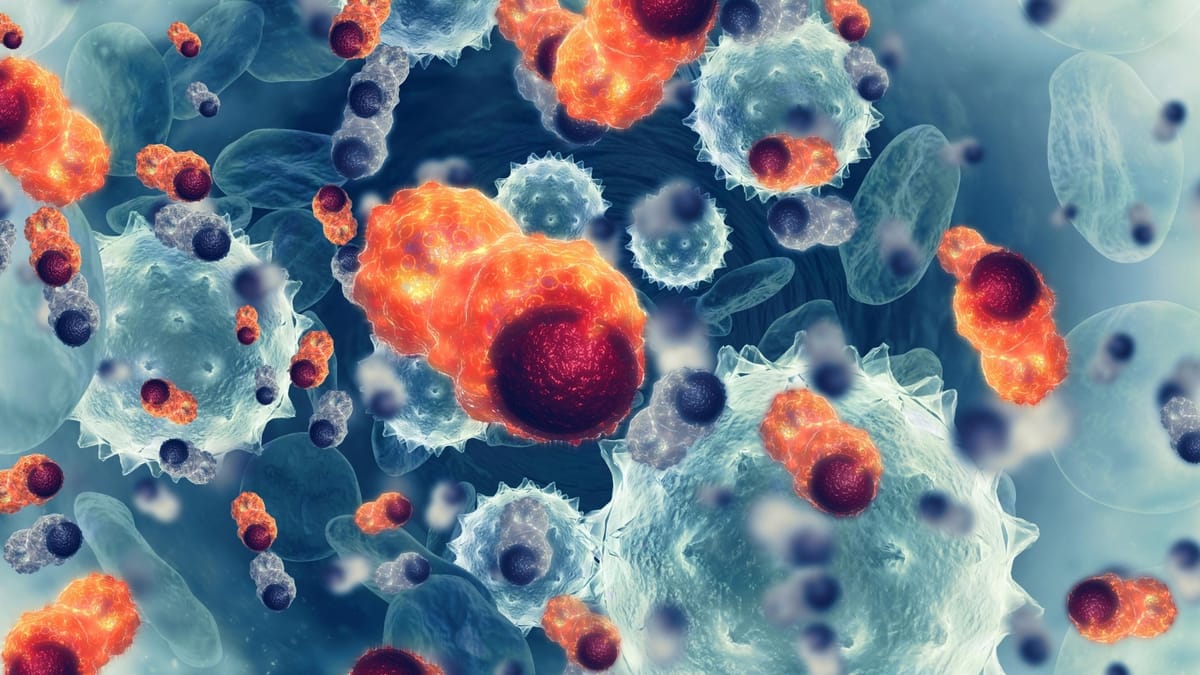



Scientists have achieved a remarkable breakthrough in cancer prevention with the development of a novel nanoparticle vaccine that demonstrated significant efficacy in mice. A recent study published in Cell Reports Medicine highlights this promising advancement, reporting an impressive 80% survival rate among mice exposed to cancerous cells following vaccination. This innovative approach utilizes nanoparticles to deliver adjuvants, substances designed to enhance the immune response, offering a potential new avenue for cancer prevention and treatment. While human applications remain unknown at this early stage, the results provide considerable hope for future therapeutic strategies.
Understanding the Power of Nanoparticle Vaccine Technology
The field of nanotechnology has seen substantial progress in recent years, leading to innovative drug designs. For decades, scientists have been exploring the potential of nanoparticles in medicine. These tiny particles offer a stable platform for carrying vaccine components directly to immune cells and key sites within the body. Consequently, they increase both delivery efficiency and uptake by the immune system, making them an attractive option for creating effective vaccines like this new nanoparticle vaccine.
Previous Research Highlights
The team behind this discovery previously published a study showcasing similar vaccine technology that successfully shrunk and cleared tumors from mice. Building upon this foundation, the current research adapts the nanoparticle design to provide prophylactic protection against melanoma, pancreatic cancer, and triple-negative breast cancer in these animal models. This work received support from several prestigious institutions including the Institute for Applied Life Sciences at UMass Amherst, UMass Chan Medical School, and the National Institutes of Health.
The Science Behind the Super-Adjuvant Approach
Traditional vaccines are composed of two essential elements: antigens that trigger an immune response and adjuvants that amplify this response. This nanoparticle vaccine follows a similar principle, delivering antigens to activate white blood cells crucial for fighting tumors. However, what sets this approach apart is the utilization of dual adjuvants targeting distinct immune pathways – STING (stimulator of interferon genes) and TLR4 (Toll-like receptor 4).
Dual Adjuvants for Enhanced Immunity
The incorporation of these two unique adjuvants aims to stimulate a more comprehensive and robust immune response against cancer. Notably, by engaging different branches of the immune system simultaneously, the vaccine’s effectiveness is significantly increased compared to traditional single-adjuvant approaches. This dual-action strategy represents a significant advancement in vaccine design.
Challenges and Future Directions for this Nanoparticle Vaccine
Despite the encouraging results observed in mice, translating these findings into human treatments presents substantial hurdles. The immune systems of mice and humans possess key differences; therefore, a successful outcome in one species does not guarantee similar efficacy in another. Furthermore, cancer’s complexity, with its diverse subtypes and resistance mechanisms, necessitates rigorous testing to evaluate the nanoparticle vaccine’s broader applicability.
Researchers acknowledge that further optimization of the formulation and safety assessments are essential before human clinical trials can commence. Future research will also focus on expanding the range of cancers against which this innovative approach demonstrates effectiveness. Ultimately, while challenges remain, this breakthrough signifies a crucial step forward in cancer prevention and highlights the transformative potential of nanotechnology within the medical field.
In conclusion, the development of this nanoparticle vaccine offers a beacon of hope in the ongoing fight against cancer. Although further research is needed to determine its suitability for human applications, the remarkable results observed in mice underscore the promise of this novel approach and pave the way for future advancements in immunotherapeutic strategies.
Source: Read the original article here.
Discover more tech insights on ByteTrending.
Discover more from ByteTrending
Subscribe to get the latest posts sent to your email.