

Navigating the Realities of AI Implementation
Let’s be upfront: I work in go-to-market, which inherently involves pitching. Writing this without sounding like a sales pitch presents a challenge, but I assure you the insights are valuable. A concerning statistic suggests that 95% of all AI pilots fail—a reality many organizations grapple with. Understanding why these projects stumble and how to overcome those hurdles is crucial for realizing the full potential of AI.
The Uncomfortable Truth: Why AI Projects Often Fail
A significant portion of AI projects aren’t delivering expected results, and I’ve spent considerable time analyzing the root causes, particularly within large enterprise settings. While the precise failure rate might fluctuate, the core issue remains: many initiatives fall short. Therefore, it’s important to acknowledge these challenges before attempting further implementation.
Understanding Your Data is Paramount
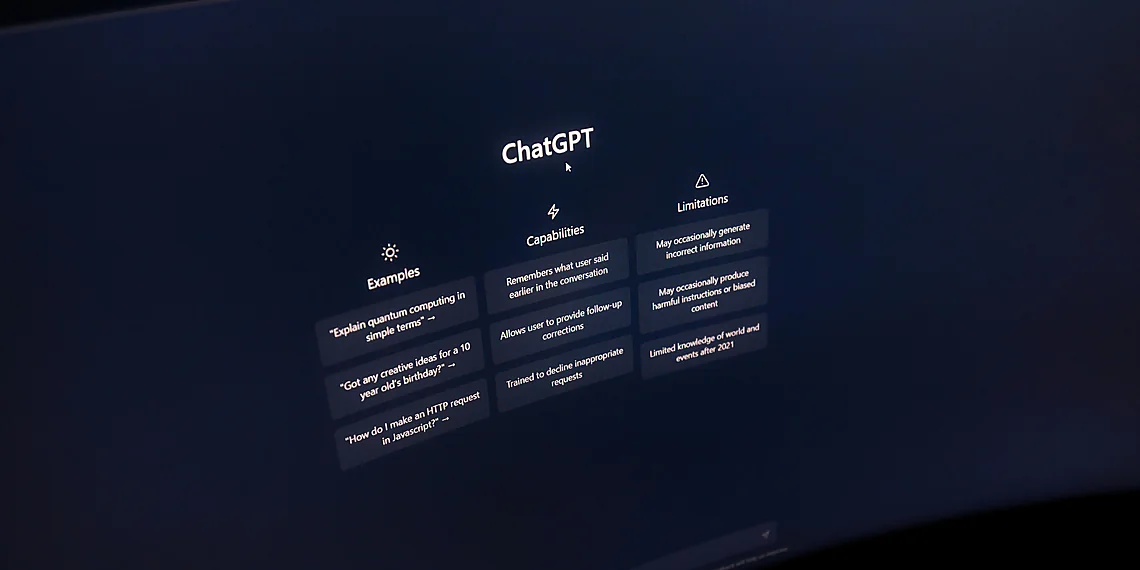
In 2022, a wave of excitement—and anxiety—surrounded ChatGPT, prompting companies to explore their own internal solutions. Many rushed to build what became known as “Company GPTs,” essentially integrating OpenAI or Anthropic with enterprise security measures. While data security is undeniably vital, these implementations frequently lack scalable connectors to core enterprise data. Consequently, organizations often resort to manual file uploads—a process reminiscent of outdated practices.
Furthermore, many Software-as-a-Service (SaaS) providers are now aggressively incorporating AI capabilities to remain competitive. However, these tools typically operate within a limited scope, lacking the holistic view offered by comprehensive data integration. As a result, responses generated by these systems may not always align with expectations, highlighting the importance of thorough data understanding.
Addressing Resistance to Change
The initial enthusiasm for AI often translates into top-down directives: build it and ensure compliance. However, this approach frequently overlooks a critical element—human psychology. Employees naturally raise concerns about adoption, clarity of policies, and the potential impact on their roles. For example, questions like “Am I allowed to use this?” or “Will AI replace my job?” are common.
Implementing technology effectively requires more than just technical expertise; it demands a careful consideration of how people will embrace and utilize the new systems. Addressing these concerns proactively is essential for fostering adoption and maximizing the benefits of AI initiatives.
Breaking Down Siloed AI Efforts
A common scenario involves departments independently pursuing their own AI solutions, creating a fragmented landscape of isolated tools and initiatives. This can lead to duplicated efforts, inconsistent data, and ultimately, reduced overall effectiveness. Consider the situation in Germany, where ChatGPT adoption is widespread; while enthusiasm for the technology exists, without proper integration, these individual implementations become disconnected islands.
Conclusion: Towards Successful AI Integration
The challenges surrounding AI implementation are significant, but not insurmountable. Overcoming these hurdles requires a shift in perspective—prioritizing context, connection, and collaboration to transform fragmented efforts into tangible results. Addressing data integration, managing change effectively, and fostering cross-departmental alignment are crucial steps towards unlocking the true potential of AI.
Source: Read the original article here.
Discover more tech insights on ByteTrending.
Discover more from ByteTrending
Subscribe to get the latest posts sent to your email.