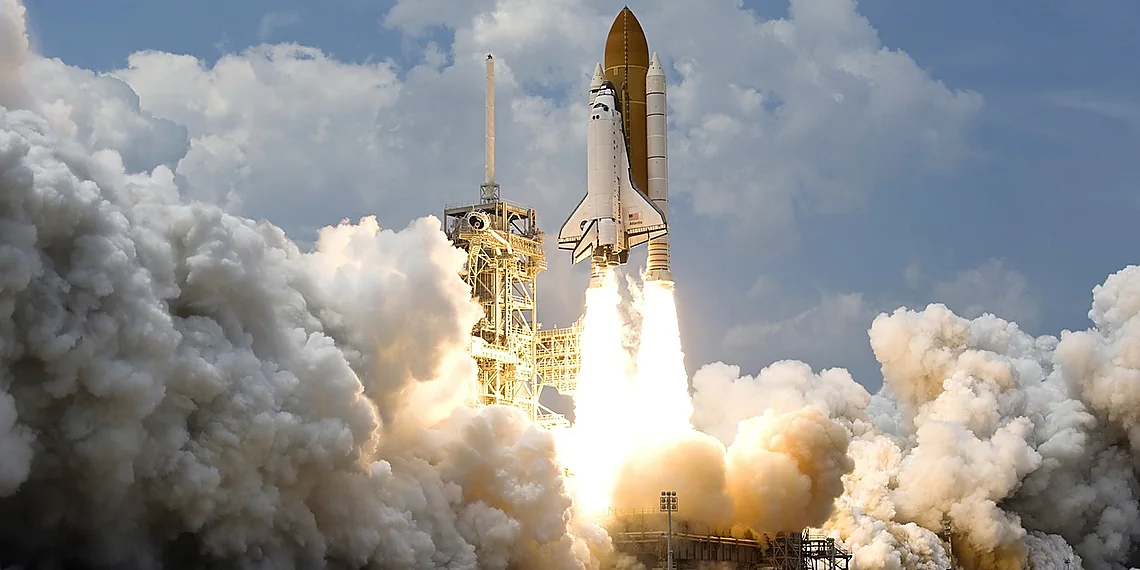

Get ready for another exciting milestone in South Korea’s space program! The Korea AeroSpace Administration (KASA) recently announced that Yoon Youngbin, the Administrator of KASA, inspected preparations for the fourth launch of the Nuri rocket. This visit signals a renewed push towards advancing Korean space capabilities.
Understanding the Nuri Rocket Program
The Nuri rocket, also known as the Korea Launch Vehicle II, represents a significant achievement for South Korea’s independent access to space. It’s designed and built entirely within Korea, marking a departure from reliance on foreign launch vehicles. Previous launches have been crucial learning experiences, paving the way for improvements in design, construction, and operational procedures. The Nuri program aims not only to place satellites into low Earth orbit but also to develop core technologies that can be applied to future space exploration endeavors. Furthermore, continuous testing and refinement of launch protocols are vital.
Yoon Youngbin’s Inspection at the Naro Space Center
On September 16th, Administrator Yoon Youngbin traveled to the Naro Space Center in Goheung, Jeollanam-do province. This critical facility serves as South Korea’s primary launch site. The inspection focused on evaluating the readiness of all systems involved in the fourth Nuri launch. Key areas under scrutiny included rocket assembly progress, testing procedures for various components (engines, navigation systems, and payload integration), and overall safety protocols. As a result of this comprehensive assessment, any potential issues can be addressed before launch.
Key Focus Areas During the Inspection
- Rocket Assembly: Ensuring all stages of the rocket are assembled correctly and efficiently.
- System Testing: Verifying the functionality of critical onboard systems, including guidance, navigation, and control.
- Payload Integration: Confirming that any satellites or scientific instruments being carried by the Nuri are properly secured and ready for deployment.
- Safety Protocols: Reviewing all safety procedures to guarantee a secure launch operation.
What’s Next for the Fourth Launch?
While specific details about the payload and target orbit haven’t been publicly released, this fourth Nuri rocket launch represents a vital step in refining Korean space capabilities. Notably, successful completion of this mission will contribute to future satellite deployments and potentially open doors for more ambitious missions further into space. KASA is committed to continuous improvement and leveraging lessons learned from previous launches. Therefore, expect greater sophistication in South Korea’s contribution to global space exploration. In addition, ongoing investment in research and development will be crucial.
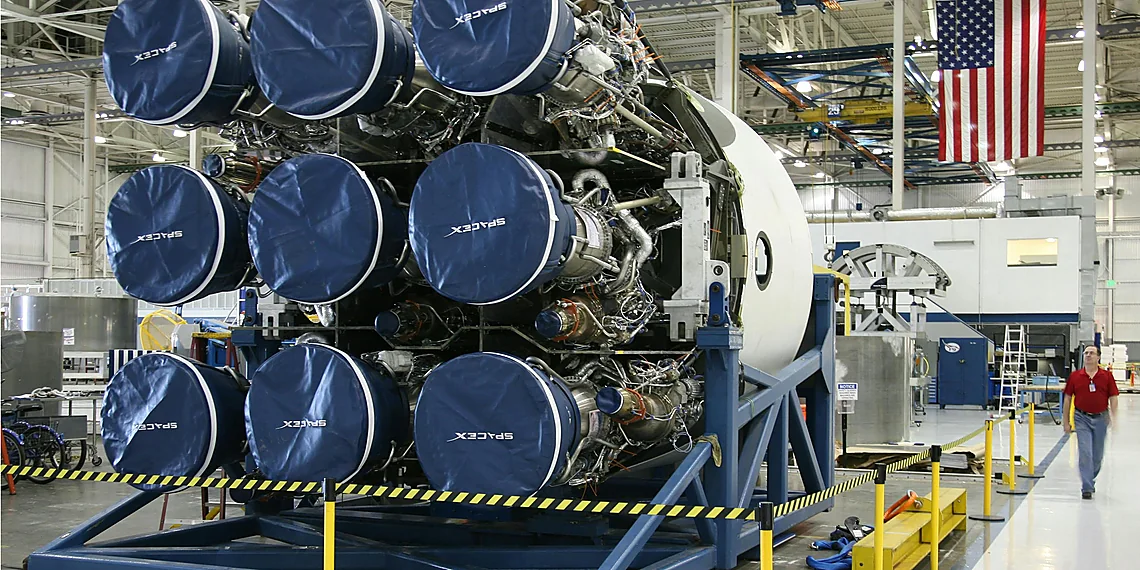
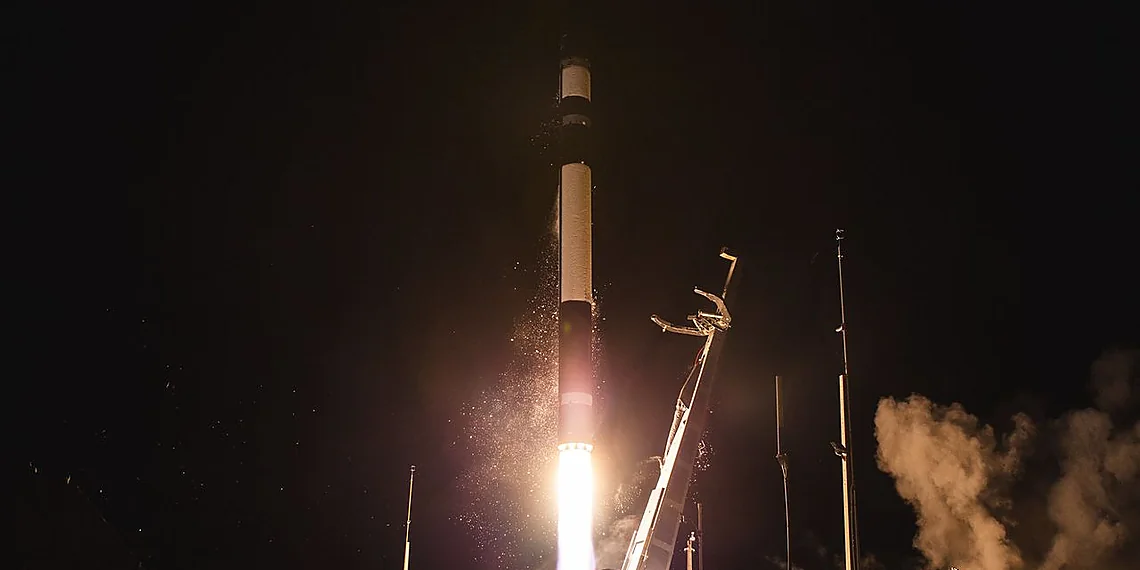
The Nuri program embodies South Korea’s dedication to becoming a leading player in the global space race, showcasing its technological prowess and ambition for future discoveries beyond Earth.
Source: Read the original article here.
Discover more tech insights on ByteTrending.
Discover more from ByteTrending
Subscribe to get the latest posts sent to your email.