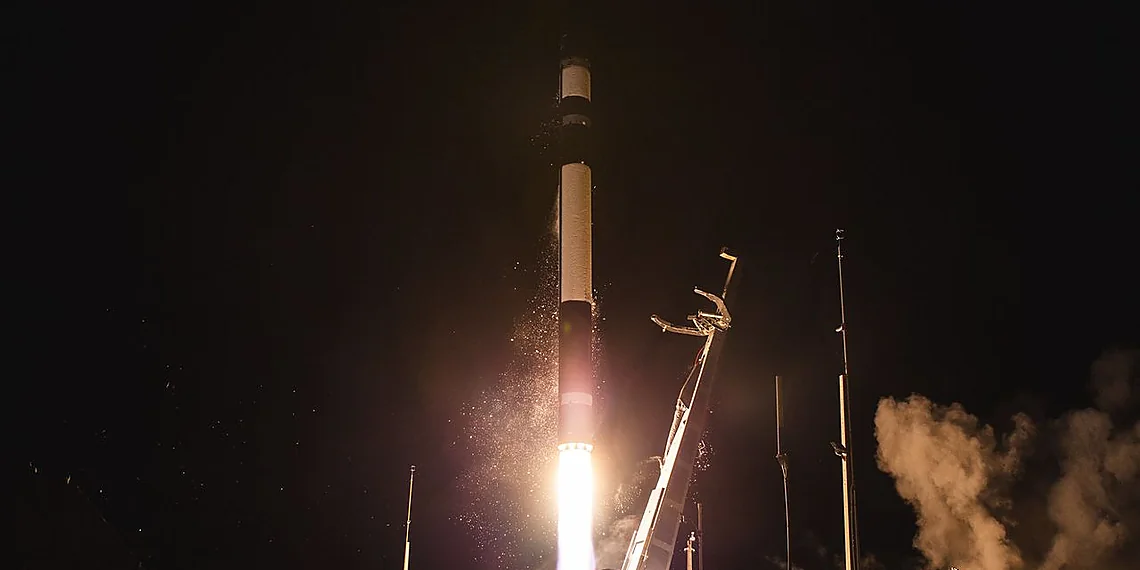
The prevalence of exoplanets throughout our galaxy begs the question: how do these distant worlds form? Understanding the process of exoplanet formation is a crucial step in unraveling the mysteries of planetary systems, including our own. Recent research has provided valuable insights into this complex phenomenon, shedding light on how gas and dust are transported within protoplanetary disks to facilitate planet creation.
The Challenge of Gas Giant Formation
For decades, astronomers have grappled with a significant puzzle concerning the formation of gas giants like Jupiter and Saturn. The conventional model suggests that these massive planets require substantial quantities of gas to accrete rapidly during the early stages of a star’s life. However, this dense material is typically concentrated close to the star where temperatures are high enough for efficient accretion. Consequently, forming giant planets further out, beyond the so-called “snow line,” poses a considerable challenge due to the dispersed nature of available materials.
Observing IM Lupi: A Unique System
A recent study published in Nature Astronomy focuses on IM Lupi, a young star located approximately 467 light-years away. The system boasts a protoplanetary disk – the birthplace of planets – and exhibits unusual behavior that provides valuable clues about exoplanet formation. Observations using the Atacama Large Millimeter/submillimeter Array (ALMA) have revealed a distinctive feature: spiral arms within the disk that appear to be moving inward.
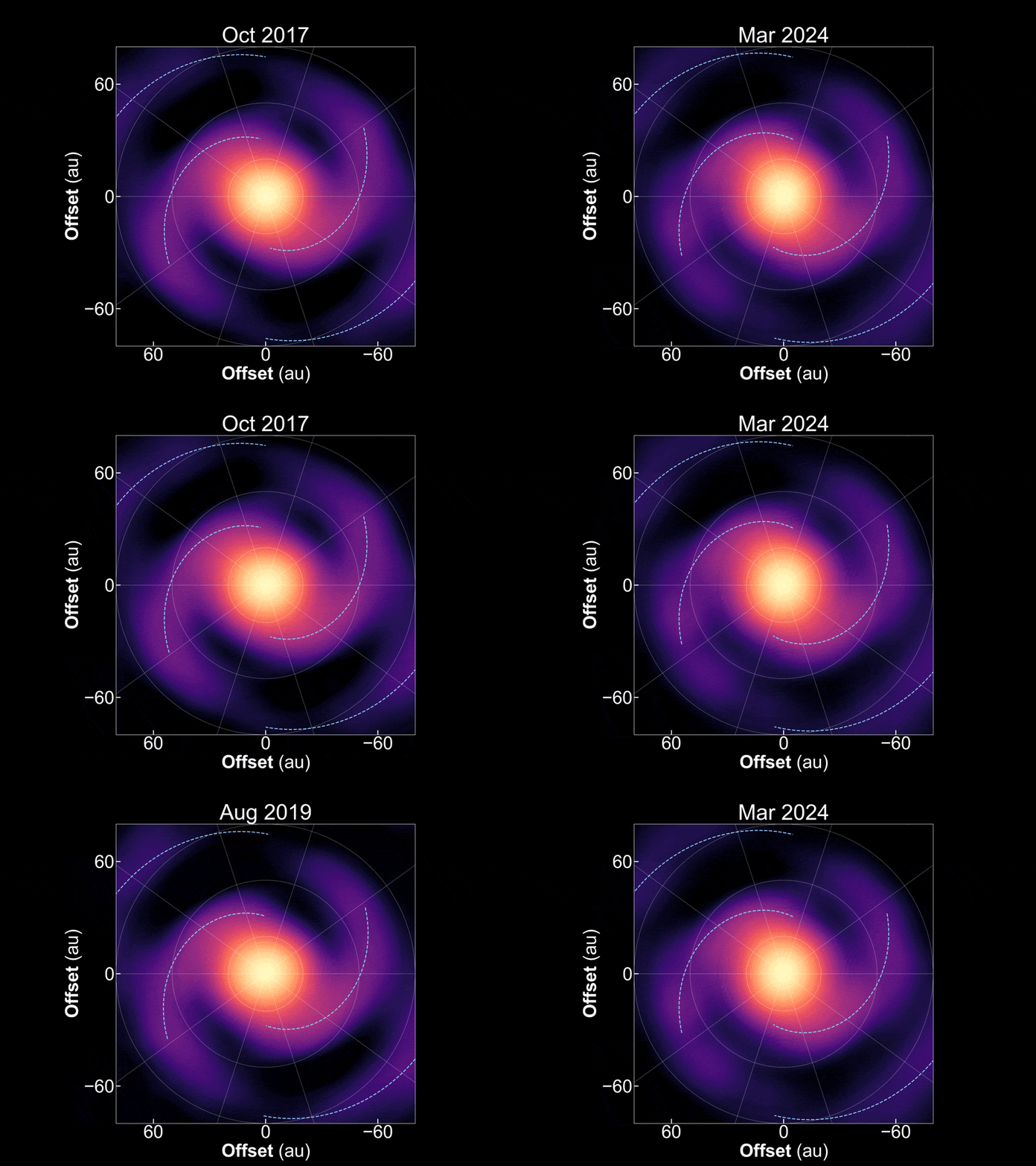
Importantly, these spiral arms are not static structures; they actively transport gas and dust from the outer reaches of the disk toward the inner regions closer to the star. This dynamic movement is crucial for concentrating material where planets can readily form.


Spiral Arms as a Delivery System
Tomohiro Yoshida and his colleagues propose that these spiral arms function as an efficient delivery system for gas and dust. The inward motion of these arms effectively overcomes the distance barrier, allowing material from far beyond the snow line to be transported closer to the star where planet formation can occur more efficiently. Furthermore, this process enables the creation of gas giants in regions previously deemed unsuitable.
The team’s simulations convincingly demonstrate that this mechanism could explain how massive planets form at greater distances than was once believed possible. Consequently, the observed spiral arm pattern in IM Lupi suggests that similar processes may be prevalent in other young star systems, potentially accounting for the existence of exoplanets found far from their host stars. Notably, this challenges existing models and expands our understanding of how planetary systems develop.
Implications for Our Own Solar System
This discovery also holds significant implications for comprehending the formation of our own solar system. It’s plausible that a similar mechanism involving spiral arms played a vital role in the creation of Jupiter and Saturn, transporting icy material inward to facilitate their development as gas giants. Therefore, ongoing research focused on protoplanetary disk dynamics and the behavior of spiral arms will continue to refine our models concerning planet formation.
Ultimately, the study highlights the intricate and dynamic nature inherent in planetary system formation, demonstrating that processes beyond simple accretion are crucial for shaping the architecture of planetary systems throughout the galaxy. As a result, future observations utilizing advanced telescopes will undoubtedly reveal even more detailed insights into these fascinating cosmic nurseries and further illuminate the complexities of exoplanet formation.
Source: Read the original article here.
Discover more tech insights on ByteTrending.
Discover more from ByteTrending
Subscribe to get the latest posts sent to your email.