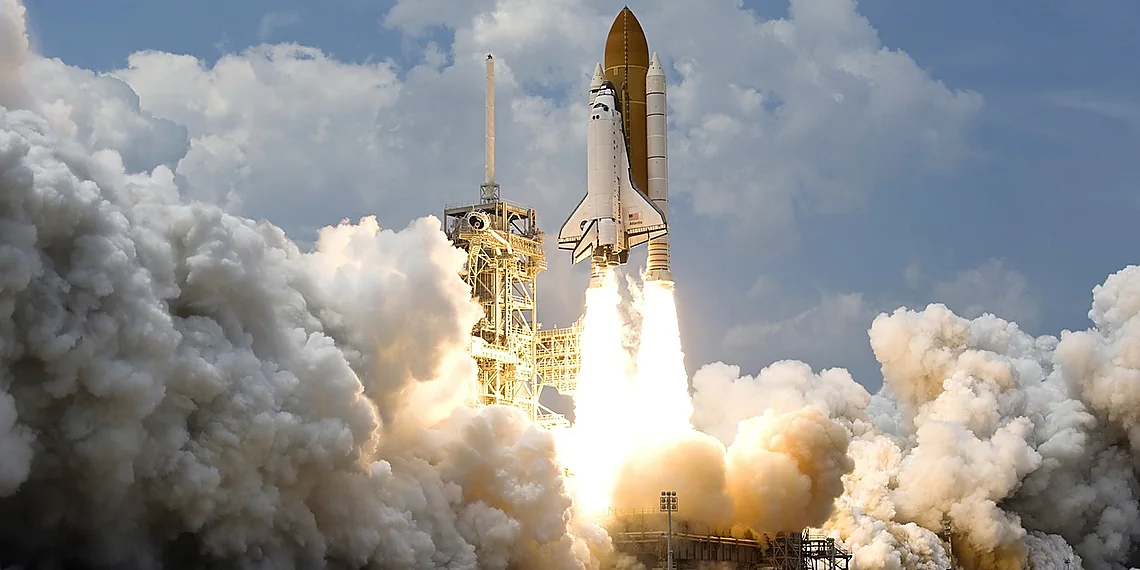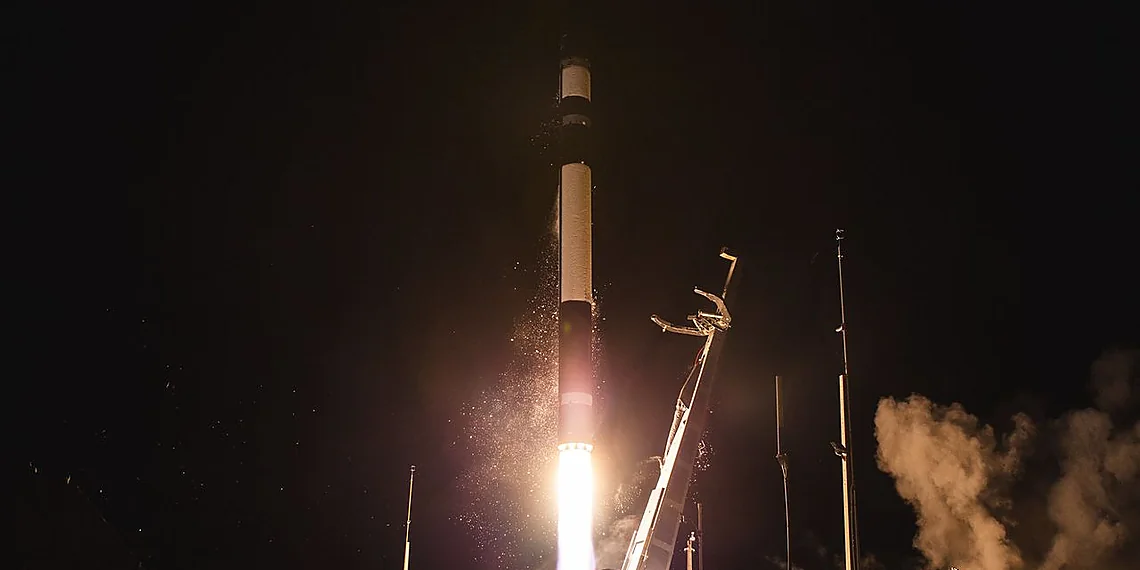
Space enthusiasts, prepare for an exciting milestone! On September 17th, the official NASA portal announced that the Space Launch System (SLS) rocket for the Artemis II mission is now ready to send four astronauts from Earth on a journey around the Moon next year. While it may appear identical to the SLS rocket from the Artemis I mission, a closer look reveals several key differences and significant upgrades.
Understanding the Artemis II Mission
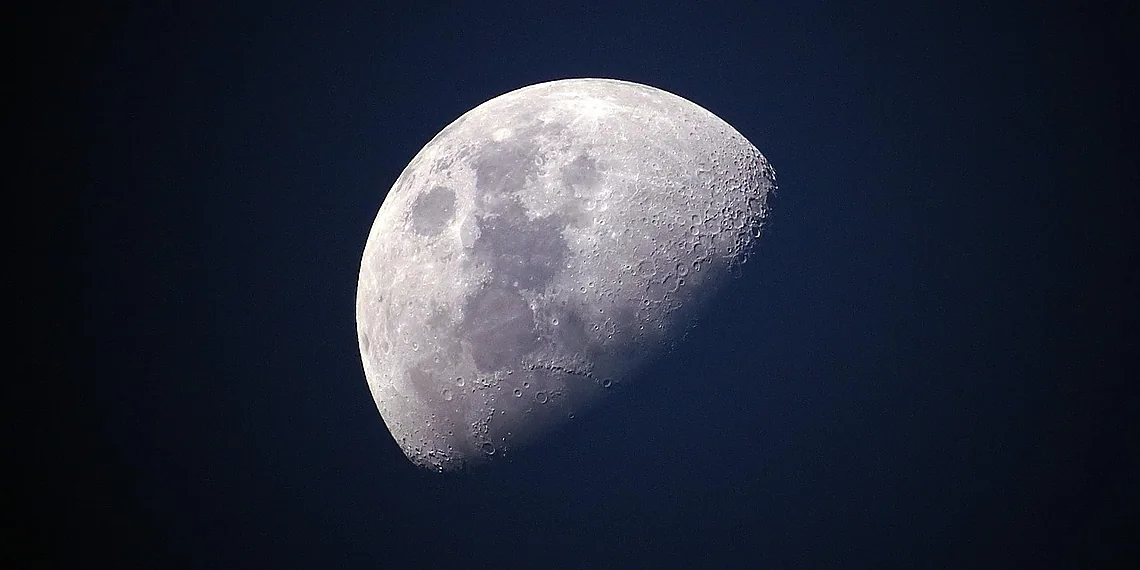
The Artemis II mission represents a pivotal moment in humanity’s return to the Moon. Unlike its predecessor, Artemis I, which was an uncrewed test flight, Artemis II will carry a crew of four astronauts: Reid Wiseman, Victor Glover, Christina Koch, and Jeremy Hansen (Canadian Space Agency). Furthermore, this crew will embark on a lunar flyby mission, orbiting the Moon before safely returning to Earth. The data gathered during this mission is crucial for validating systems and procedures necessary for future human landings.
Key Differences Between SLS Artemis I & II
Although visually similar, the SLS rocket used for Artemis II incorporates several critical upgrades based on lessons learned from the Artemis I flight. These improvements primarily focus on enhancing reliability and performance. Notably, engineers have implemented modifications to the core stage engines to improve efficiency and ensure a more precise trajectory control. In addition, the solid rocket boosters (SRBs) received refinements in their nozzle design, providing increased thrust during liftoff; this helps manage the immense forces involved in escaping Earth’s gravity. Consequently, the flight software has been updated to include improved navigation and communication protocols, which are crucial for a safe and accurate lunar orbit insertion. Similarly, updated avionics systems enhance data collection, processing, and overall system robustness, contributing significantly to the mission’s safety profile.
The Significance of the SLS Rocket
Artemis II isn’t just about sending humans around the Moon; it is a critical stepping stone toward establishing a sustainable lunar presence. The data gathered during this mission will be invaluable in preparing for future missions that aim to land astronauts on the lunar surface and establish a long-term base. For example, the success of Artemis II demonstrates NASA’s commitment to pushing the boundaries of space exploration and inspiring future generations of scientists, engineers, and explorers. Therefore, the enhanced SLS is vital to this mission’s success.
The mission is expected to launch in 2025, subject to final testing and review. On the other hand, the world eagerly awaits this historic event, marking a renewed era of lunar exploration and human presence beyond Earth’s orbit. The advanced capabilities of the SLS rocket promise an exciting future for space travel.
Source: Read the original article here.
Discover more tech insights on ByteTrending.
Discover more from ByteTrending
Subscribe to get the latest posts sent to your email.