
The Evolution of the SLS Rocket
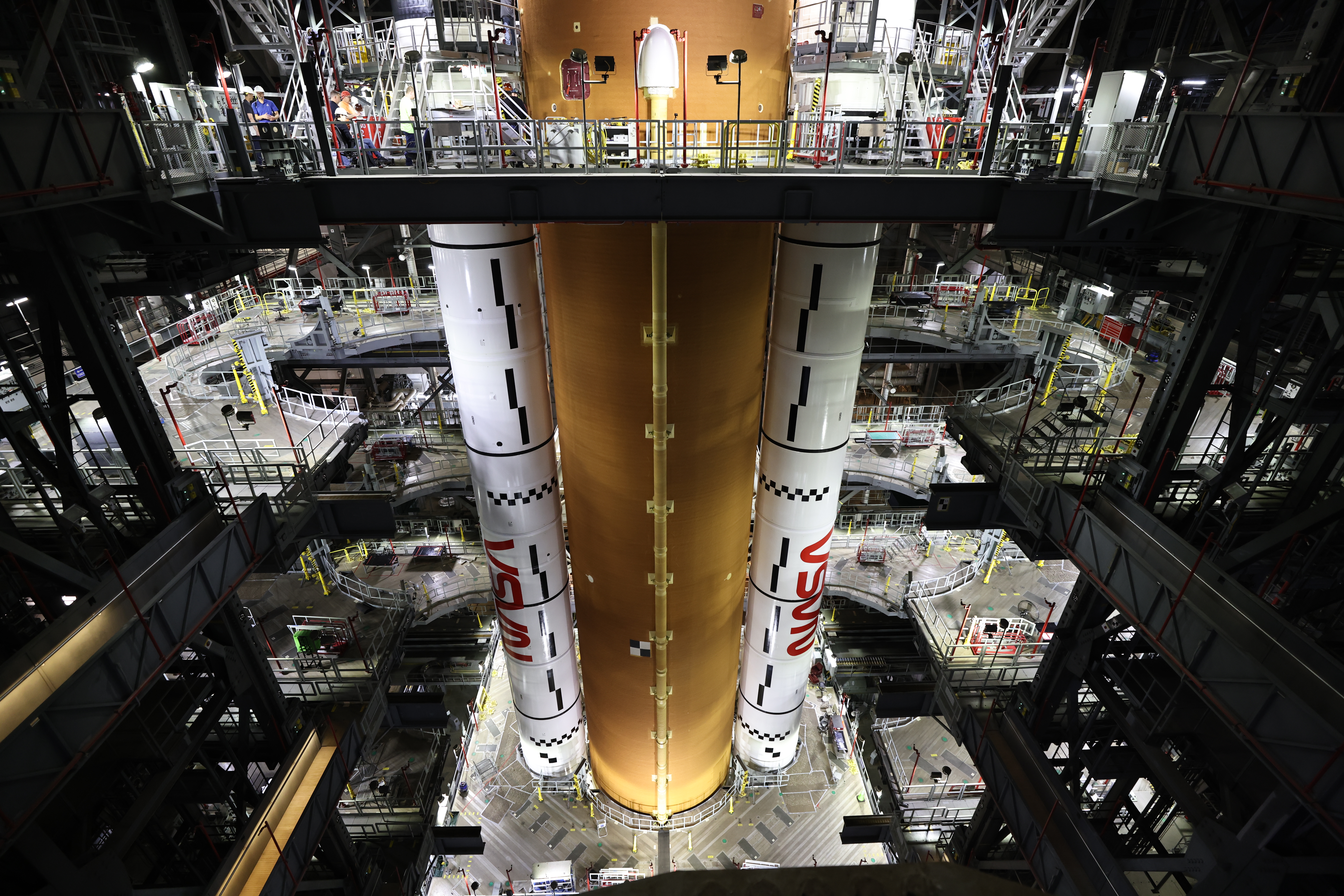
SLS flew a picture perfect first mission on the Artemis I test flight, exceeding performance expectations and providing invaluable data for future improvements. While the major sections of the SLS rocket—core stage, RS-25 main engines, solid rocket boosters, ICPS (interim cryogenic propulsion stage), launch vehicle stage adapter, and Orion stage adapter—remain largely unchanged for Artemis II, the devil is in the details.
Key Upgrades for Enhanced Safety and Performance
“We’re proud of our Artemis I performance, but we’ve focused on giving our crews an even better experience,” explains John Honeycutt, NASA’s SLS Program manager. Notably, several enhancements have been implemented to bolster both safety and overall mission effectiveness. For instance, the ICPS now features optical targets which allow astronauts to manually pilot Orion and practice maneuvers crucial for Artemis III docking operations; this represents a significant advancement in astronaut training and operational capabilities. Furthermore, a more sophisticated navigation system has been integrated, improving accuracy and reliability throughout the mission’s trajectory.
Enhanced Communication Capabilities
To ensure seamless communication between the spacecraft and ground control, repositioned antennas have significantly improved signal strength and reliability. This means continuous contact with both ground stations and the Space Launch Delta 45 is now possible, providing a crucial link for mission updates and astronaut support. Consequently, any potential issues can be addressed promptly and efficiently.
Prioritizing Astronaut Safety
Recognizing the importance of crew safety, an emergency detection system has been added to the ICPS. This allows for rapid problem identification and immediate notification to astronauts, enabling a quicker response to unforeseen circumstances. Additionally, a time delay has been incorporated into the self-destruct system to ensure that Orion’s escape system has ample time to function effectively in case of an abort scenario; this small adjustment drastically improves safety margins.
Improving Solid Rocket Booster Separation
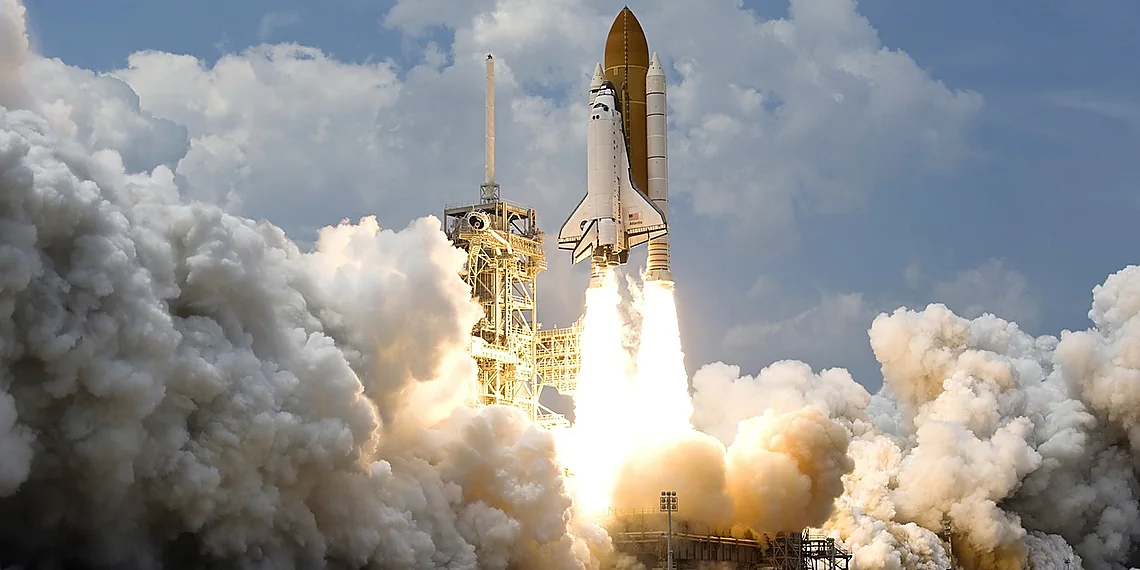
Finally, adjustments have been made to the solid rocket booster separation process. The motors responsible for separating these boosters are angled 15 degrees further apart during flight, creating increased clearance and minimizing any potential risks. Therefore, this subtle change contributes to a safer and more controlled post-separation environment.
Looking Ahead: Building on Artemis I Success
These carefully considered upgrades demonstrate NASA’s unwavering commitment to continuous improvement and prioritizing the safety of its astronauts as it continues pushing the boundaries of space exploration. The invaluable lessons gleaned from the successful Artemis I mission have directly informed these enhancements, effectively paving the way for future missions not only to the lunar surface but also towards ambitious goals like Mars exploration. The SLS rocket’s evolution is a testament to NASA’s dedication to advancing human presence beyond Earth.
Source: Read the original article here.
Discover more tech insights on ByteTrending.
Discover more from ByteTrending
Subscribe to get the latest posts sent to your email.