
ByteTrending
  • Home
    • About ByteTrending
    • Contact us
    • Privacy Policy
    • Terms of Service
  • Tech
  • Science
  • Review
  • Popular
  • Curiosity
Donate
No Result
View All Result
ByteTrending
No Result
View All Result
Home Curiosity
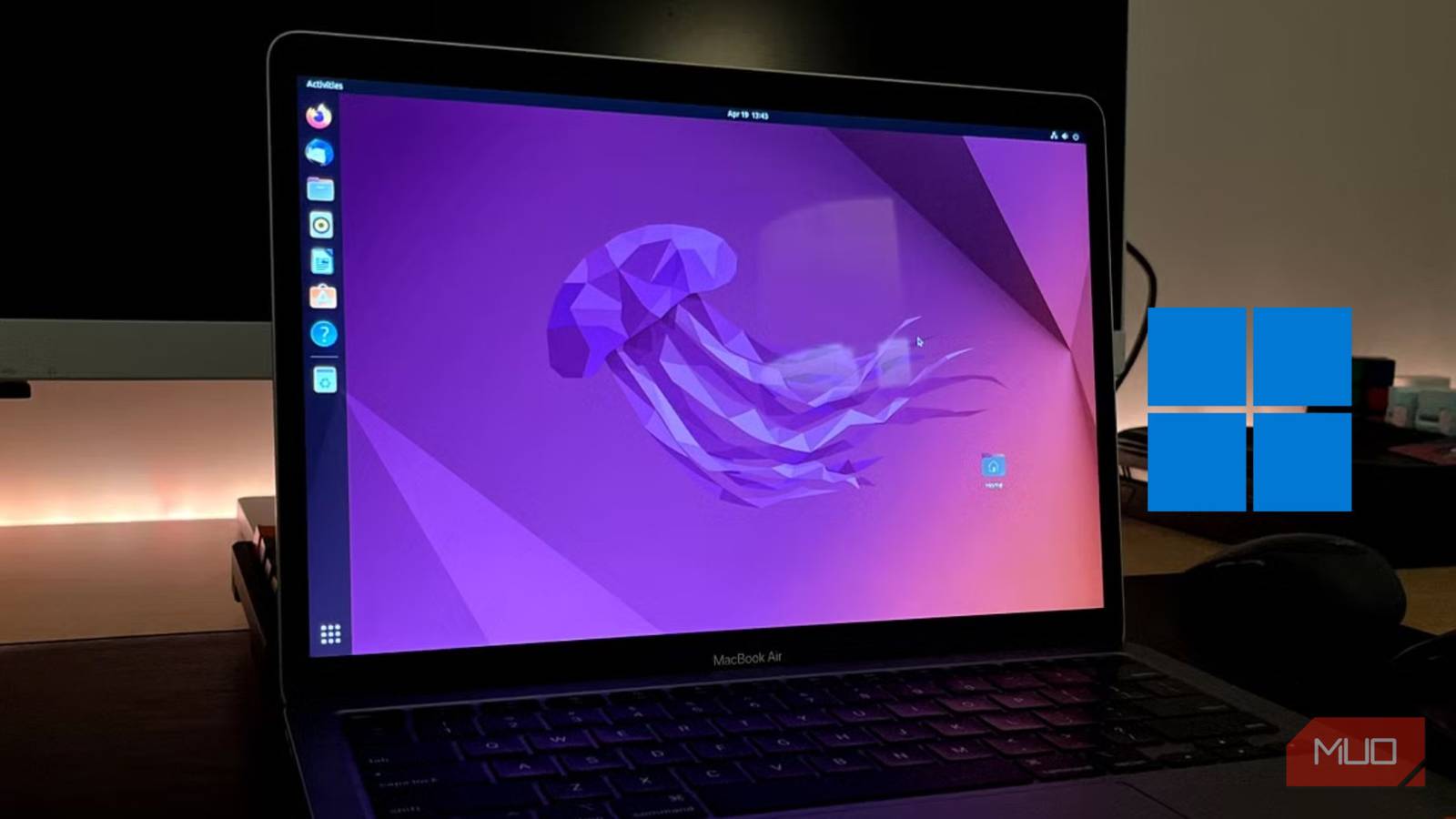
Related image for Linux Habits

Linux Habits That Improved My Windows Setup

ByteTrending by ByteTrending
October 3, 2025
in Curiosity, Tech
Reading Time: 3 mins read
0
Share on FacebookShare on ThreadsShare on BlueskyShare on Twitter

Related Post

The Ultimate Guide to Linux Package Managers

March 7, 2026
Related image for Windows clipboard managers

Supercharge Your Workflow: Top Windows Clipboard Managers

January 18, 2026

Unlock Hidden Space: The Windows Command You Need

January 17, 2026

Unlock SSD Speed: The Risky Registry Tweak

January 7, 2026

When I dipped my toe into Linux, there was a lot of trial and error; it took me years to learn to avoid certain Linux mistakes. However, after many years of using the platform, I’ve developed several habits that have also found their way into my Windows usage. I find it interesting that I view Windows quite differently from how I did before I started using Linux.

Embracing Keyboard Shortcuts

One of the first things you learn when starting with Linux is to use keyboard shortcuts—it’s simply faster and more efficient than relying on a mouse. This habit quickly translated to my Windows workflow. Now, instead of clicking through menus or using the taskbar for everything, I rely heavily on keyboard shortcuts like Win + Tab for switching between applications, Alt + Tab for window management, and others for common tasks. It’s drastically reduced the time it takes me to navigate my desktop. Furthermore, learning these shortcuts has improved overall computer efficiency.

Customization is Key

Linux distributions are known for their flexibility and customization options. From choosing your desktop environment (DE) to tweaking themes and fonts, the level of control is unmatched. This mindset shifted how I approach Windows too. While not as extensive as Linux, Windows 10 and 11 offer a surprising amount of personalization. Now, I actively customize my taskbar, start menu, and even use third-party tools for more advanced tweaks. It’s about making the OS feel like *mine*. Consequently, this approach fosters a greater sense of ownership over your computing environment.

The Power of the Command Line

Linux’s command line interface (CLI) is a powerful tool for automating tasks, managing files, and troubleshooting problems. Initially intimidated, I gradually started incorporating it into my workflow. While I don’t use the Windows PowerShell or Command Prompt as extensively as I would in Linux, I do leverage them for specific tasks like batch renaming files, automating repetitive processes through scripts, and quickly accessing system information. It’s a reminder that there are often faster and more efficient ways to accomplish things than clicking around with a GUI. In addition, this skill is transferable across various operating systems.

File Management Philosophy

In Linux, you have much more control over where your files reside, and understanding the filesystem hierarchy is essential. This led me to adopt a more structured approach to file management in Windows. I’ve created a clear folder system for organizing documents, media, and projects—a far cry from the chaotic desktop of my pre-Linux days. Utilizing cloud storage services with Linux taught me about versioning and backups too; I now religiously back up important data. Therefore, this habit ensures data security and prevents potential loss.

Conclusion: A Better Windows Experience

Borrowing habits from Linux hasn’t transformed Windows into a Linux clone, but it has significantly improved my overall experience. The increased efficiency, customization options, and the mindset of problem-solving through alternative methods have made me a more productive and engaged user. It’s proven that concepts can transcend operating systems and make you a better computer user regardless of your platform of choice.


Source: Read the original article here.

Discover more tech insights on ByteTrending.

Share this:

  • Share on Facebook (Opens in new window) Facebook
  • Share on Threads (Opens in new window) Threads
  • Share on WhatsApp (Opens in new window) WhatsApp
  • Share on X (Opens in new window) X
  • Share on Bluesky (Opens in new window) Bluesky

Like this:

Like Loading…

Discover more from ByteTrending

Subscribe to get the latest posts sent to your email.
Tags: CommandlineCustomizationLinuxProductivitywindows

Related Posts

Popular

The Ultimate Guide to Linux Package Managers

by ByteTrending
March 7, 2026
Related image for Windows clipboard managers
Popular

Supercharge Your Workflow: Top Windows Clipboard Managers

by ByteTrending
January 18, 2026
Related image for Windows disk space
Popular

Unlock Hidden Space: The Windows Command You Need

by ByteTrending
January 17, 2026
Next Post
Related image for image generation

Image Generation AI: Create Stunning Visuals Now!

Leave a ReplyCancel reply

Recommended

Related image for Ray-Ban hack

Ray-Ban Hack: Disabling the Recording Light

October 24, 2025
Generative Video AI supporting coverage of generative video AI

Generative Video AI Sora’s Debut: Bridging Generative AI Promises

May 5, 2026
Related image for Ray-Ban hack

Ray-Ban Hack: Disabling the Recording Light

October 28, 2025
Diagram comparing Amazon Bedrock and OpenSearch for hybrid RAG search implementation.

Hybrid RAG search Amazon Bedrock vs OpenSearch: Which Search

May 5, 2026
Generative AI inference deployment supporting coverage of Generative AI inference deployment

SageMaker vs Bare Metal for Generative AI Inference Deployment

May 24, 2026
AI agent performance loop supporting coverage of AI agent performance loop

AI Agent Performance Loop: How to Keep AI Agents Reliable After

May 24, 2026
AI sparsity hardware supporting coverage of AI sparsity hardware

AI Sparsity Hardware: How Hardware Sparsity Can Make Massive AI

May 15, 2026
Cybersecurity consultant skills supporting coverage of Cybersecurity consultant skills

Cybersecurity Consultant Skills: What Changes for Enterprise AI

May 15, 2026
ByteTrending

ByteTrending is your hub for technology, gaming, science, and digital culture, bringing readers the latest news, insights, and stories that matter. Our goal is to deliver engaging, accessible, and trustworthy content that keeps you informed and inspired. From groundbreaking innovations to everyday trends, we connect curious minds with the ideas shaping the future, ensuring you stay ahead in a fast-moving digital world.
Read more »

Pages

  • Contact us
  • Privacy Policy
  • Terms of Service
  • About ByteTrending
  • Home
  • Authors
  • AI Models and Releases
  • Consumer Tech and Devices
  • Space and Science Breakthroughs
  • Cybersecurity and Developer Tools
  • Engineering and How Things Work

Categories

  • AI
  • Curiosity
  • Popular
  • Review
  • Science
  • Tech

Follow us

Advertise

Reach a tech-savvy audience passionate about technology, gaming, science, and digital culture.
Promote your brand with us and connect directly with readers looking for the latest trends and innovations.

Get in touch today to discuss advertising opportunities: Click Here

© 2025 ByteTrending. All rights reserved.

No Result
View All Result
  • Home
    • About ByteTrending
    • Contact us
    • Privacy Policy
    • Terms of Service
  • Tech
  • Science
  • Review
  • Popular
  • Curiosity

© 2025 ByteTrending. All rights reserved.

%d