
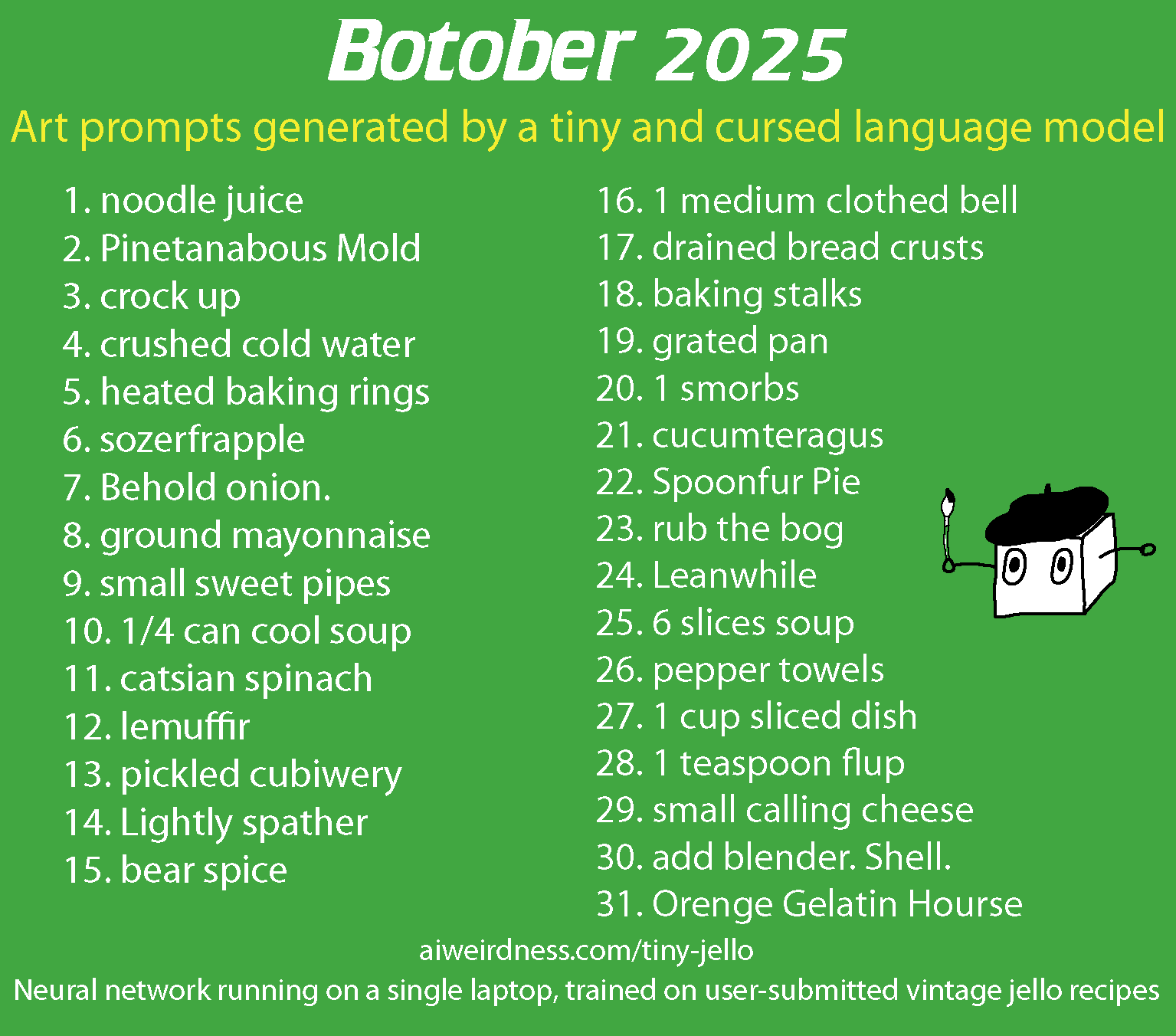


The field of artificial intelligence has witnessed remarkable advancements, particularly in large language models like ChatGPT. However, there’s a certain charm and intrigue surrounding simpler approaches – specifically, the humble neural network. After observing the evolution of generated text from rudimentary beginnings to sophisticated AI, it’s clear that these smaller systems possess unique qualities worth exploring. This article revisits those roots, delving into how they function and why their simplicity can be surprisingly captivating.
Understanding the Basics of Neural Networks
At its core, a neural network is a computational model inspired by the structure and function of the human brain. Unlike today’s massive AI models that rely on vast datasets and complex architectures, early neural networks operated with significantly less data and simpler connections. For example, char-rnn (character recurrent neural network) focuses on predicting the next character in a sequence, making it ideal for generating text or even art based on limited training materials. Furthermore, understanding their fundamentals provides valuable insight into how more advanced AI systems build upon these foundational concepts.
How Char-RNN Works
The char-rnn architecture, initially popularized by Andrej Karpathy, is particularly noteworthy because it predicts characters one at a time. Therefore, it learns the probability of each character appearing after a given sequence. Consequently, when generating text, it iteratively selects the most likely character based on its learned probabilities. This process continues until a designated end-of-sequence marker is reached or a specified length limit is achieved. As a result, even with limited training data, char-rnn can produce surprisingly coherent and often whimsical output.
The Significance of Limited Data
Traditionally, advanced AI models require massive datasets for effective training. However, neural networks like char-rnn demonstrate that meaningful results can be achieved with considerably less information. In addition to being more efficient in terms of computational resources, this characteristic allows for greater control and predictability over the generated output. For instance, by carefully curating a dataset of vintage jello recipes (as we’ll see later), one could steer the neural network towards producing uniquely quirky and nostalgic content.
The Jello Recipe Experiment: A Retro Approach
Inspired by previous years’ explorations with AI art, this year’s Botober challenge revisited char-rnn. Instead of relying on powerful language models, the focus returned to the simplicity and charm of these earlier neural network implementations. This approach echoes past iterations from 2019 to 2024, each offering a unique perspective on creative AI generation. Consequently, it allows for a more direct understanding of how these smaller systems operate and produce their results.
Data is King: The Jello Recipe Dataset
The training data plays a crucial role in shaping the output of any neural network. In this case, approximately 800 vintage jello recipes were used – a delightfully nonsensical collection submitted by users back in 2020. These recipes are far more eccentric than those generated by more sophisticated models like GPT-2; they exemplify the potential for creativity when working with constrained datasets. For example, one recipe might call for unexpected combinations of ingredients, leading to humorous and often bizarre results.
Why Jello Recipes?
The choice of jello recipes wasn’t arbitrary; it was intended to capture a sense of nostalgia and playful absurdity. Moreover, the limited scope of the dataset ensured that the neural network would generate text closely reflecting the style and vocabulary of those original recipes. Similarly, this approach highlights how even seemingly mundane data can be leveraged to create unique and engaging AI-generated content.
The Results:
Source: Read the original article here.
Discover more tech insights on ByteTrending.
Discover more from ByteTrending
Subscribe to get the latest posts sent to your email.









