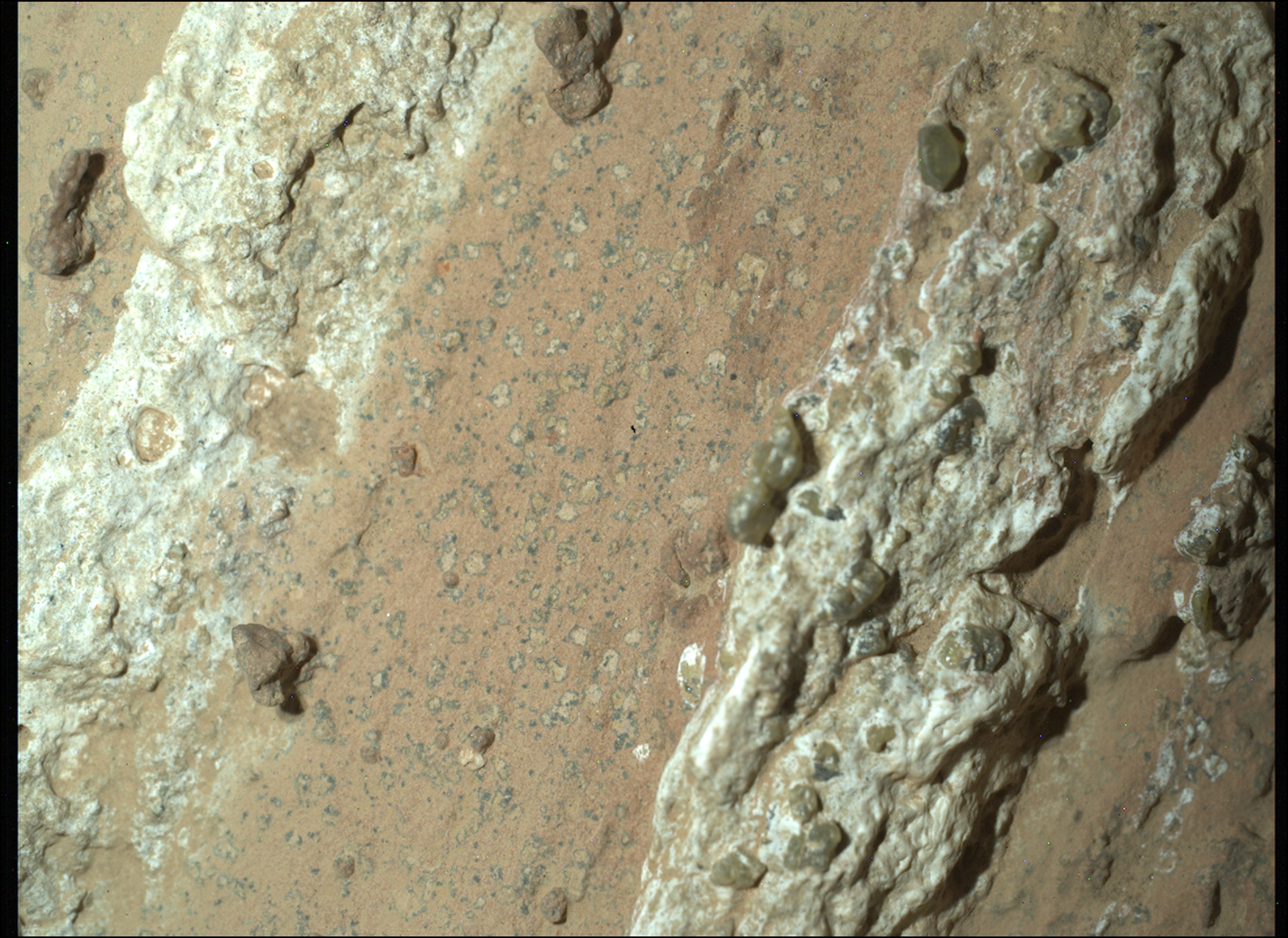



The search for evidence of past life on Mars has recently yielded exciting updates thanks to NASA’s mars rovers, particularly the Perseverance rover. On September 10, 2025, a team of scientists published a paper detailing their investigation of a distinctive rock outcrop called Bright Angel within Mars’ Jezero Crater. This discovery underscores the importance of robotic exploration in unraveling the Red Planet’s history and assessing its potential for past or present life.
Understanding Rover Data: A Scientist’s Perspective
Working with data from mars rovers can be a transformative experience for planetary scientists. Similar to how virtual reality headsets transport users to fabricated environments, receiving daily data downlinks from rovers like Perseverance immerses scientists in the Martian landscape. While some developers have created virtual Mars environments using tools like MarsVR and Access Mars, the majority of scientists analyze numerical data visualized through graphs and plots – a crucial step in interpreting findings from distant worlds.
Navigating Data Streams
The volume of data transmitted by mars rovers can be overwhelming, therefore scientists utilize sophisticated analytical tools to process and interpret the information effectively. These tools help extract meaningful patterns and insights from raw data sets.
The Role of Visualization
Visualization plays a vital role in understanding the complex datasets provided by mars rovers. By transforming numerical data into graphical representations, scientists can more easily identify trends, anomalies, and correlations that might otherwise be missed.
Perseverance’s Instrumentation: A Suite of Scientific Tools
The Perseverance rover is equipped with an impressive array of instruments designed to analyze the Martian environment. Each instrument provides a unique perspective, contributing to a more comprehensive understanding of the planet’s geology and potential for habitability. These tools are essential in the ongoing search for evidence that life once existed on Mars.
Key Instruments and Their Functions
| Instrument | Function |
|---|---|
| Mastcam-Z | Captures high-resolution color images and videos; identifies rock textures and mineralogy. |
| SuperCam | Analyzes chemical composition using laser-induced breakdown spectrometer, Raman spectrometer, and fluorescence detector. |
| SHERLOC | Maps organic molecules and mineral distributions on rock surfaces. |
| WATSON | Documents the textures of rocks and soils at close range. |
| RIMFAX | Probes subsurface structure using ground-penetrating radar. |
The Significance of Bright Angel’s Discovery
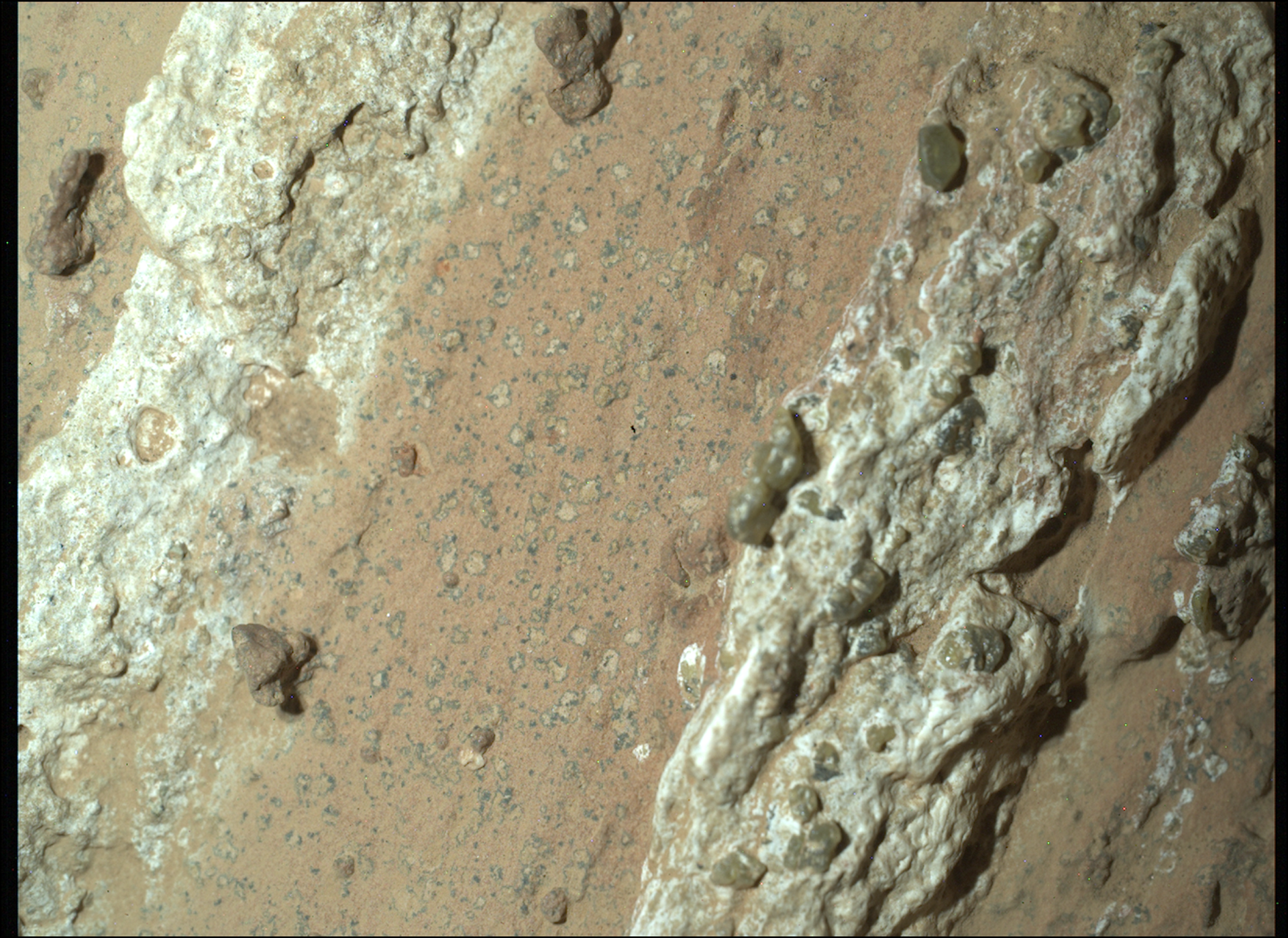
The Bright Angel outcrop’s unique features – its leopard-like patterns and mineral nodules – suggest cyclical changes in water chemistry, potentially creating conditions suitable for microbial life. Furthermore, SHERLOC’s detection of organic molecules within these nodules adds another layer of intrigue, although their origin remains unconfirmed; they could be produced through non-biological processes. Consequently, the combination of these factors makes Bright Angel a high-priority target for continued and more detailed investigation by mars rovers.
Future Missions and the Quest for Answers
Currently, Perseverance is collecting samples from Jezero Crater with the intention of returning them to Earth via a future mission. Analyzing these samples in terrestrial laboratories will enable scientists to conduct more detailed investigations than are possible on Mars itself; this offers the potential to definitively determine whether life once existed there. In addition, continued analysis of data sent back by mars rovers will undoubtedly refine our understanding of the Red Planet and its potential for supporting life.
The exploration of Mars through mars rovers presents a long and complex challenge, but discoveries like the Bright Angel outcrop serve as powerful reminders that we are steadily progressing toward unraveling the mysteries of our solar system.
Source: Read the original article here.
Discover more tech insights on ByteTrending.
Discover more from ByteTrending
Subscribe to get the latest posts sent to your email.