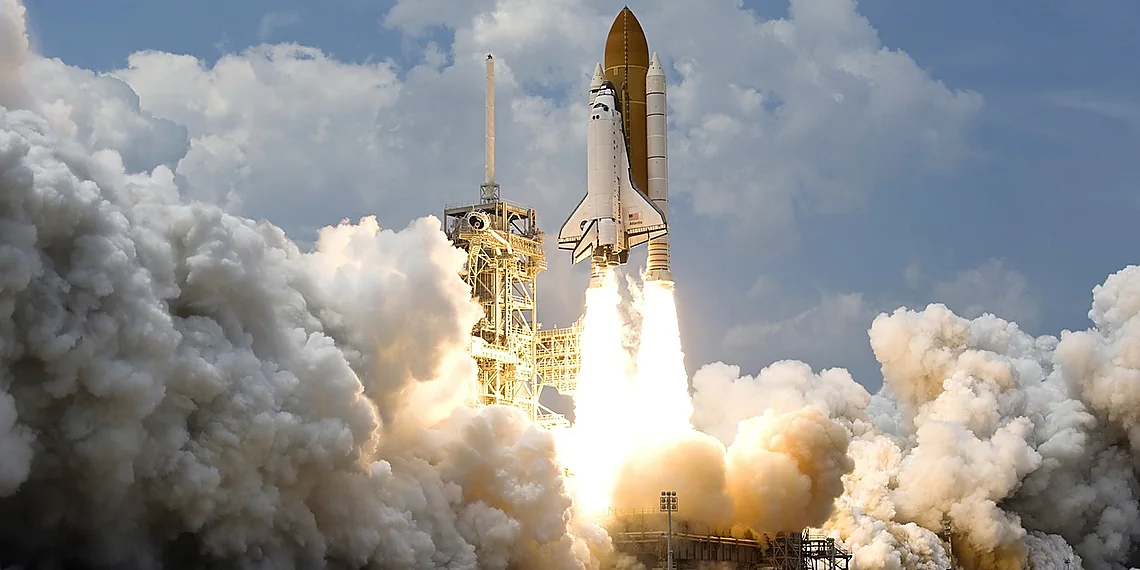
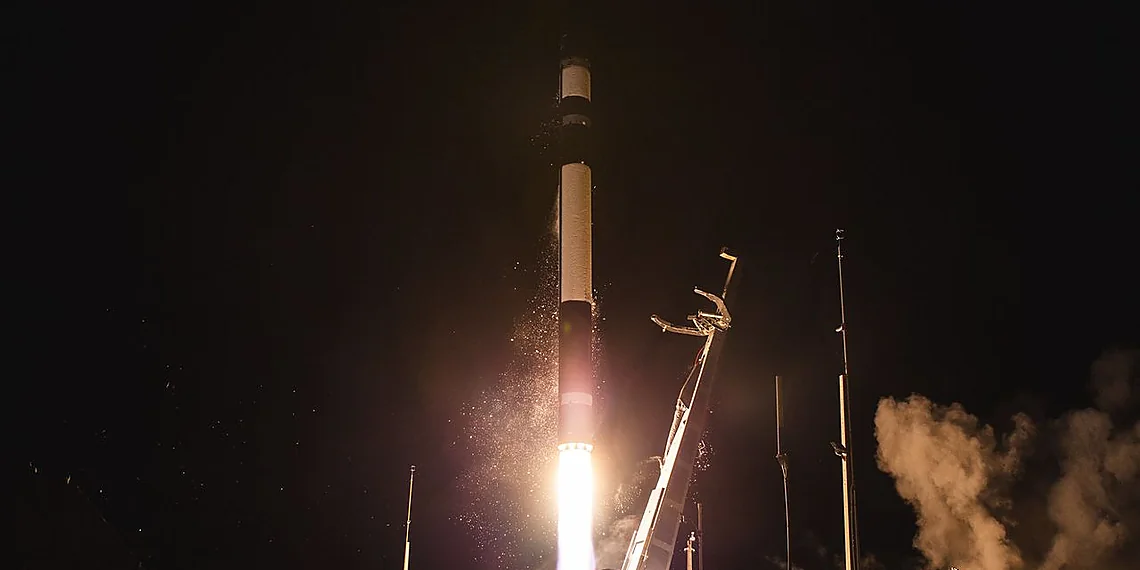
Get ready, space enthusiasts! The Korean Aerospace Agency (KASA) has officially confirmed the fourth launch of the NURI rocket is scheduled for November 27, 2025. This mission represents a significant step in solidifying South Korea’s capabilities within the burgeoning space sector.
Understanding the NURI Rocket Program
The NURI (Next-generation User-friendly Rocket for Initial launch) is South Korea’s domestically developed rocket, designed to place satellites into low Earth orbit. It’s a crucial part of South Korea’s broader ambitions in space exploration and technology advancement. Previous launches have been instrumental in testing various components and refining the overall system. The NURI program aims to achieve independent access to space, reducing reliance on foreign launch providers. Furthermore, this initiative demonstrates a commitment to fostering homegrown technological expertise.
The Development Process
Developing the NURI rocket has been a complex undertaking, requiring significant investment in research and development. Notably, the project involved overcoming numerous technical challenges related to propulsion systems, structural integrity, and guidance control. However, through rigorous testing and iterative design improvements, the team successfully refined each aspect of the NURI’s architecture. As a result, South Korea now possesses a valuable asset for its space endeavors.
Components and Technology
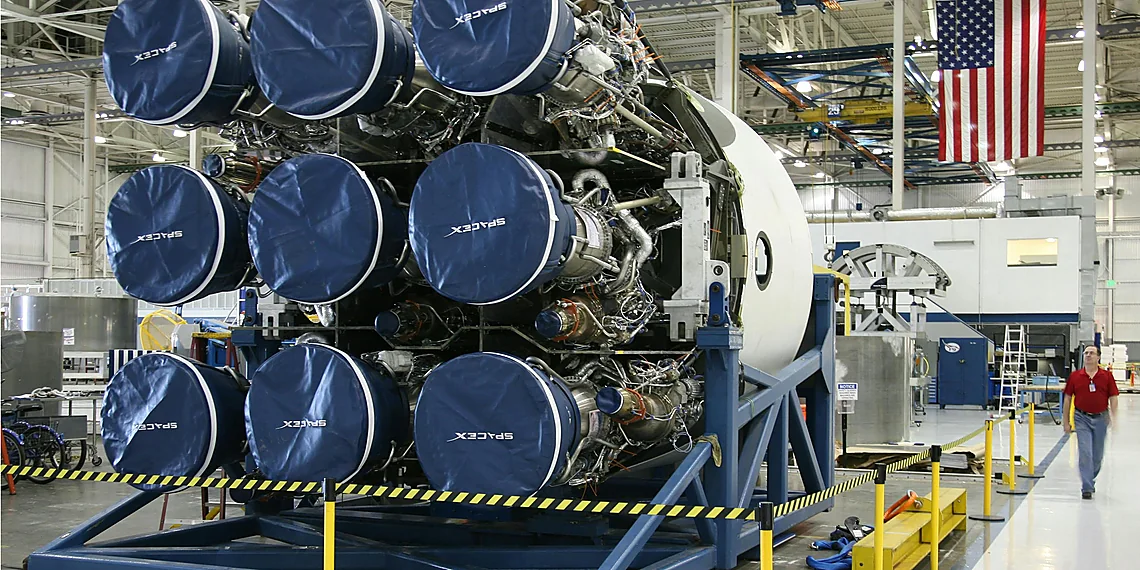
The NURI rocket comprises three stages, each powered by solid-fuel motors. These motors have been specifically designed to maximize efficiency and reliability. In addition, the rocket incorporates advanced navigation systems and sensors to ensure precise trajectory control during launch. Similarly, the avionics suite plays a crucial role in monitoring various parameters and coordinating different subsystems throughout the mission. Therefore, the NURI represents a sophisticated blend of established and cutting-edge technologies.
Mission Details: Payload and Objectives
This fourth launch isn’t just about demonstrating rocket functionality; it carries a valuable payload. Aboard the NURI will be the third generation Medium-Resolution Satellite (KOMPSAT-6) and twelve CubeSat satellites. The KOMPSAT-6 is designed for Earth observation, providing high-resolution imagery for various applications including disaster monitoring and resource management. The CubeSats are smaller satellites often used for research and technology demonstration purposes by universities and other organizations.
Earth Observation Capabilities with KOMPSAT-6
KOMPSAT-6’s enhanced imaging capabilities will significantly improve South Korea’s ability to monitor environmental changes, track natural disasters, and support sustainable development initiatives. For example, the data collected by KOMPSAT-6 can be utilized for precision agriculture, urban planning, and maritime surveillance. Meanwhile, the satellite’s high resolution ensures accurate and detailed imagery, enhancing its value for various applications.
The Role of CubeSats in Scientific Advancement
CubeSats offer a unique opportunity to conduct scientific experiments and test new technologies in space at a fraction of the cost of traditional satellites. The twelve CubeSats included on this NURI launch will carry payloads for various research projects, including atmospheric studies, radiation monitoring, and technology demonstrations. In addition, they contribute to expanding our understanding of near-Earth space environments.
Looking Ahead: Significance for South Korea
The November 27th launch marks a pivotal moment for South Korea’s space program. Successful deployment of KOMPSAT-6 and the CubeSats will not only expand Earth observation capabilities but also showcase NURI’s reliability and performance. This achievement reinforces South Korea’s position as a key player in the global space arena, paving the way for future, more ambitious missions. Furthermore, it strengthens national pride and inspires future generations to pursue careers in science and technology. Therefore, the successful launch of the NURI rocket is not just about reaching orbit; it’s about propelling South Korea into a new era of space exploration.
KASA continues to share updates on its social media channels, providing valuable insights into the mission preparations and technical details. Stay tuned for further announcements leading up to the launch date! The NURI rocket is a testament to South Korea’s dedication to technological innovation in space.
Source: Read the original article here.
Discover more tech insights on ByteTrending.
Discover more from ByteTrending
Subscribe to get the latest posts sent to your email.