
ESA’s Ambitious Vision for the Future of Space Transport
The European Space Agency (ESA) is actively charting a course toward a new era of independent and sustainable space transport. Recent announcements, detailed in two newly released videos, outline ESA’s ambitious vision for the future space transport ecosystem, focusing on innovative approaches to access orbit.
Embracing Reusability: A Key Strategy
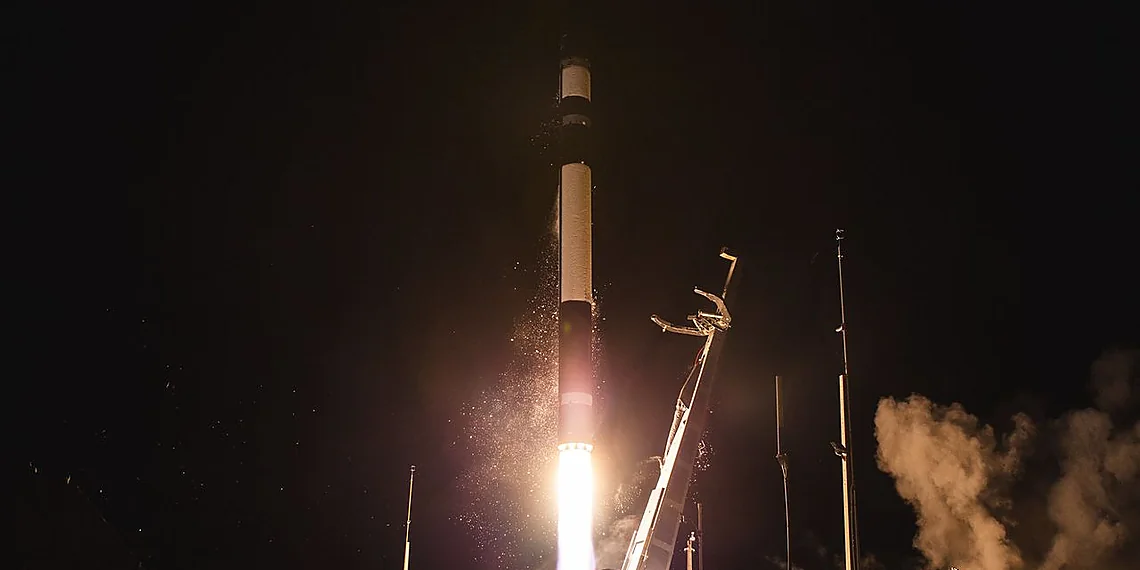
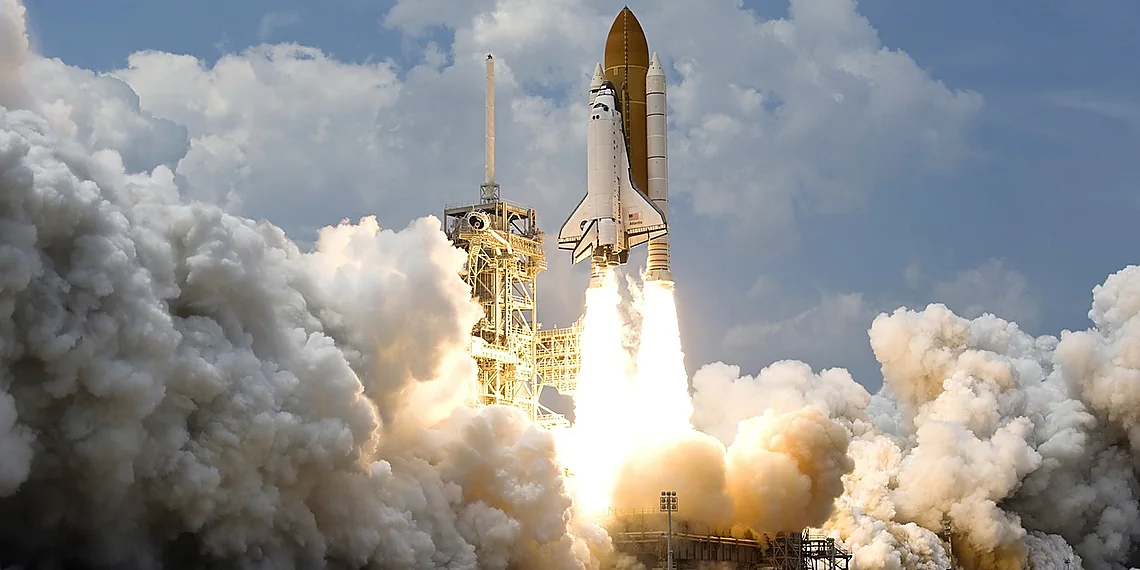
A foundational element of ESA’s strategy is a significant shift towards increased adoption of reusable launch systems. This strategic move aims to substantially reduce the cost associated with accessing orbit while also improving the frequency and reliability of launches. Currently, many existing launch systems are designed for single use, resulting in considerable waste and high operational costs; therefore, reusability offers a compelling solution.
The Benefits of Reusable Launchers
Furthermore, reusable launchers promise several advantages beyond cost reduction. They allow for quicker turnaround times between missions, ultimately enabling more frequent access to space for both scientific endeavors and commercial opportunities. For instance, advancements in materials science are playing a crucial role in developing heat shields capable of withstanding the extreme conditions of multiple atmospheric re-entries.
Ongoing Research and Development
ESA’s ongoing research and development efforts are focused on several key areas, including advanced propulsion systems and lightweight materials. These innovations will be critical in ensuring the safety and efficiency of reusable launch vehicles, ultimately paving the way for a more sustainable space transport infrastructure.
Revolutionizing Orbital Operations with Space Tugs
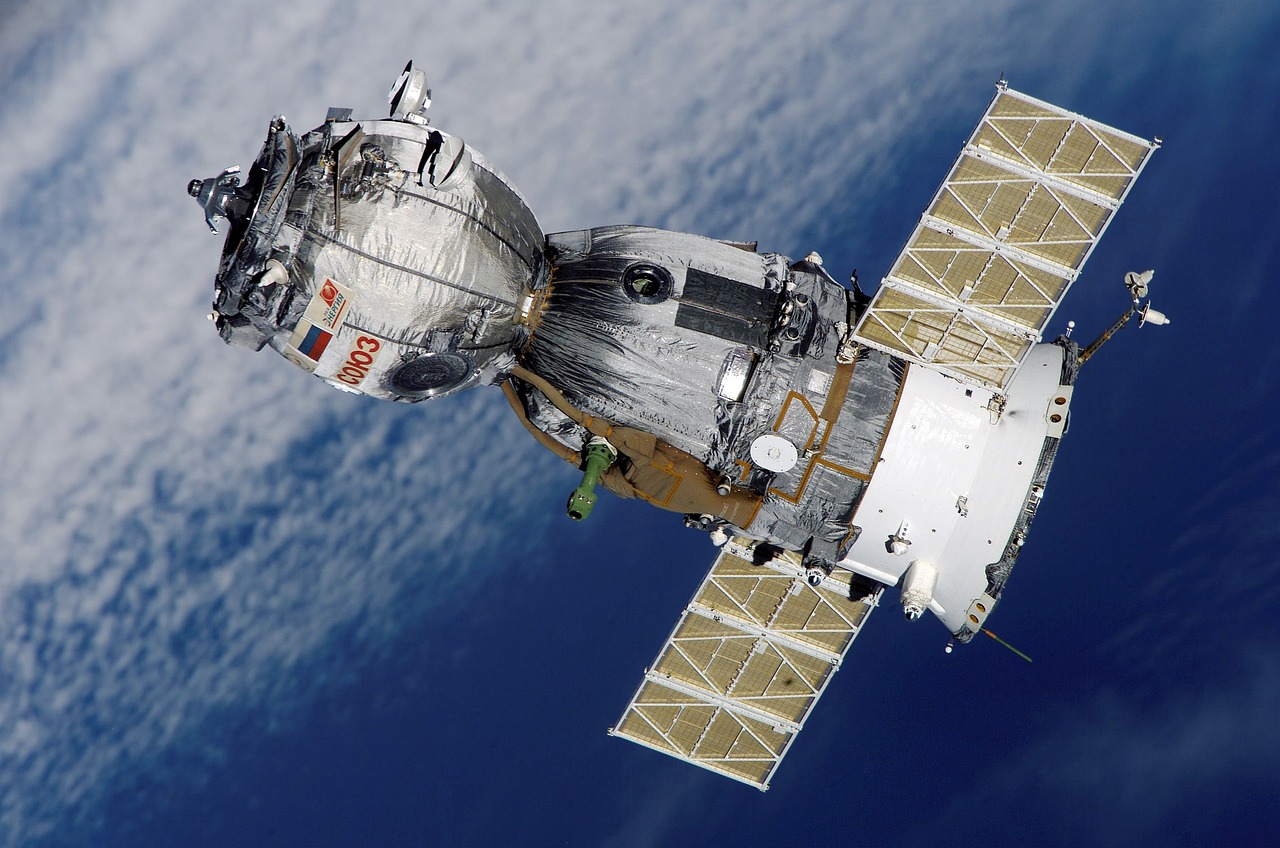
Beyond reusable launch vehicles, ESA is making significant investments in “space tug” technology. These specialized spacecraft act as orbital logistics providers, capable of performing a range of critical functions that are essential for the future of space exploration and commercialization. As a result, space tugs represent a vital component of ESA’s vision for space transport.
Understanding Space Tug Capabilities
- Orbital Relocation: Precisely moving satellites to optimal positions for improved coverage or enhanced data collection capabilities is a core function.
- Deorbiting Services: Safely removing defunct satellites from orbit mitigates the growing risks associated with space debris, contributing to a safer orbital environment.
- In-Space Assembly: Combining smaller satellite components into larger, more complex platforms opens up new possibilities for ambitious future missions and advanced scientific research.
Notably, this capability is particularly crucial for managing the increasingly congested near-Earth orbit and enabling large-scale space construction projects.
Next-Generation Launchers: Expanding Access to Space
ESA’s vision extends beyond reusability and orbital logistics; it also encompasses the development of next-generation launchers designed for greater versatility and efficiency. These new launch systems will cater to a wider range of payload sizes and diverse orbital destinations, providing European nations with increased independence in accessing space and supporting advancements in space transport capabilities.
| Launcher | Status | Key Features |
|---|---|---|
| Ariane 6 | Under Development | Increased payload capacity, modular design |
| Phoebe | Concept Phase | Fully reusable, single stage to orbit |
The development of Phoebe, a fully reusable, single-stage-to-orbit launcher, demonstrates ESA’s commitment to pushing the boundaries of launch technology. While still in the concept phase, it represents an ambitious undertaking and highlights ESA’s forward-thinking approach to space transport.
Conclusion: A New Era for European Space Access
ESA’s strategic shift towards reusability, space tug technology, and advanced launchers signifies a pivotal moment for European space exploration and commercialization. Furthermore, these innovations are designed to foster innovation and collaboration across Europe and with international partners. ESA aims to secure Europe’s position as a leading player in the global space arena by investing in these key areas.
The future of space transport is undoubtedly undergoing a profound transformation, and ESA’s ambitious plans are at the forefront of this exciting evolution. Continued investment and strategic partnerships will be vital for realizing this vision and unlocking new possibilities for scientific discovery and economic growth in space.
Source: Read the original article here.
Discover more from ByteTrending
Subscribe to get the latest posts sent to your email.