

Imagine a giant claw machine, but instead of plush toys, it’s collecting discarded waste from the ocean floor. This is precisely what’s happening thanks to an innovative **autonomous robot** recently deployed in Marseille, France.
The Challenge of Seabed Waste
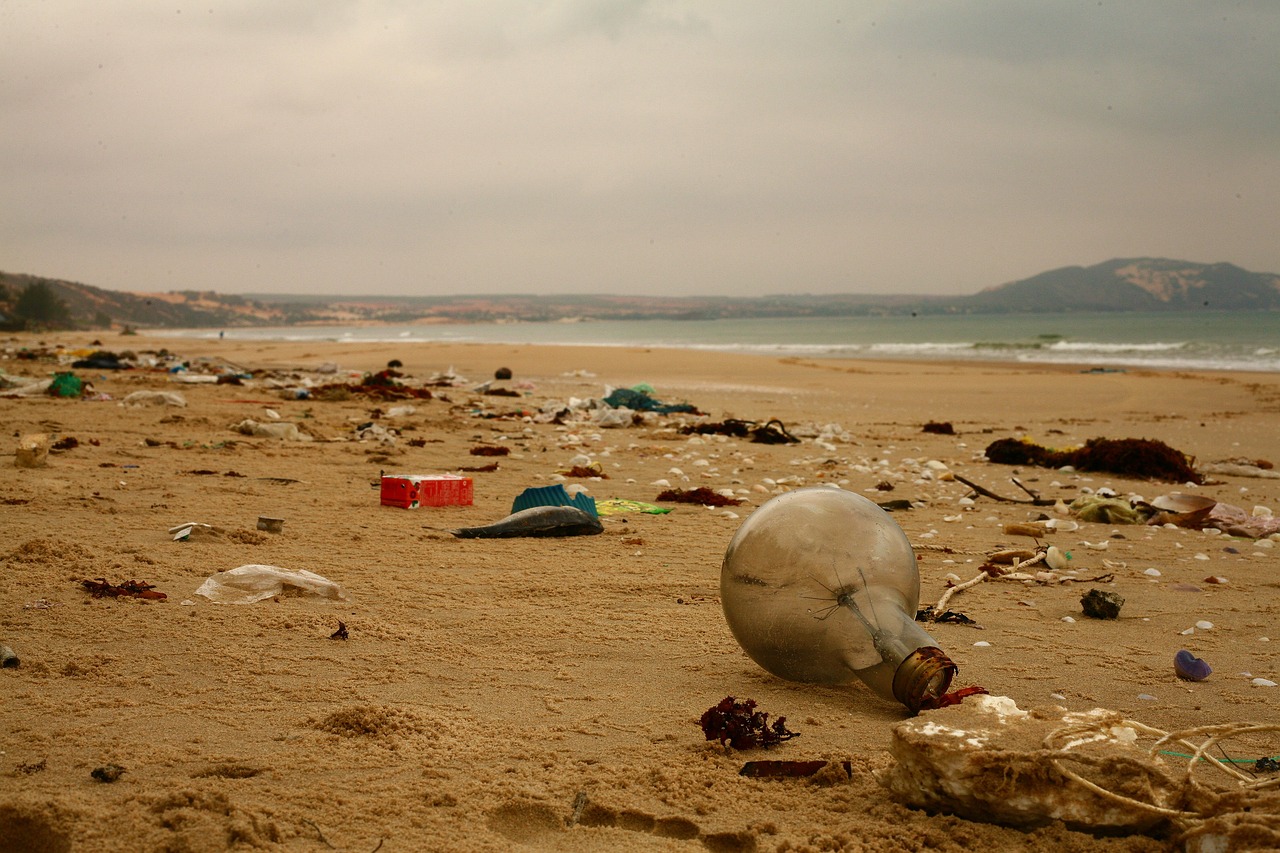
Our oceans face a growing crisis with plastic and other debris accumulating not just on the surface but also settling at the bottom. This submerged waste poses significant threats to marine ecosystems, impacting wildlife and potentially entering the food chain. Traditional cleanup methods are often costly, labor-intensive, and can disrupt fragile seabed habitats. The need for automated solutions is becoming increasingly urgent. Furthermore, the sheer scale of the problem necessitates innovative approaches to effectively address it.
Introducing SeaClear 2: An Autonomous Solution
Researchers at the Technical University of Munich (TUM) have developed SeaClear 2, an autonomous underwater vehicle designed specifically to tackle this challenge. This robot isn’t just a simple grabber; it’s equipped with sophisticated sensors and AI algorithms that allow it to navigate autonomously, identify waste, and collect it without human intervention. The system uses advanced computer vision to distinguish between trash and natural seabed features like rocks and seaweed. Consequently, SeaClear 2 minimizes the risk of accidentally disturbing marine life or damaging the environment.
How Computer Vision is Key
The core of SeaClear 2’s functionality lies in its advanced computer vision capabilities. These algorithms allow it to ‘see’ and interpret its surroundings, differentiating between debris and natural seabed features. Initially, the system was trained on a massive dataset of images taken from various ocean environments. As a result, it has become increasingly proficient at identifying different types of waste, even under challenging lighting conditions or with obscured visibility.
Operational Efficiency
SeaClear 2’s autonomous navigation and targeted waste collection significantly improve operational efficiency compared to traditional methods. For example, human divers require extensive training, specialized equipment, and are limited by underwater breathing time. An **autonomous robot** like SeaClear 2 can operate continuously for extended periods, covering larger areas and collecting more debris per unit of time. Moreover, the reduced need for direct human involvement lowers operational costs and minimizes environmental impact.
How SeaClear 2 Operates
SeaClear 2 operates using a remotely controlled claw mechanism capable of collecting debris. The robot’s onboard sensors map the seafloor, allowing it to create a virtual representation of its surroundings. This enables it to avoid obstacles and efficiently target areas with high concentrations of waste. During initial trials in Marseille’s port, SeaClear 2 successfully gathered various types of marine litter, including plastic bags, bottles, and other debris. The collected waste is then brought to the surface for proper disposal. Notably, the robot’s ability to map its surroundings also allows researchers to track the distribution of marine litter over time.
Future Implications and Potential
The successful demonstration of SeaClear 2 marks a significant step forward in automated ocean cleanup technology. While still in its early stages, this system holds immense potential for scaling up operations and tackling larger areas affected by seabed pollution. Future development could include integrating the robot with other underwater vehicles to create coordinated cleanup fleets or enhancing its ability to identify and collect microplastics. As an **autonomous robot**, SeaClear 2 represents a paradigm shift in how we approach marine conservation, offering a sustainable and efficient solution for protecting our oceans. In addition, further research into similar technologies could lead to the development of specialized robots designed for other underwater tasks, such as monitoring coral reef health or inspecting submerged infrastructure.
The deployment and ongoing development of **autonomous robots** like SeaClear 2 offer a glimpse into a future where technology plays a crucial role in environmental remediation. With continued innovation and investment, we can look forward to cleaner oceans and healthier marine ecosystems for generations to come. For example, the lessons learned from SeaClear 2 are already informing the design of similar robotic systems for other challenging environments.
Source: Read the original article here.
Discover more tech insights on ByteTrending.
Discover more from ByteTrending
Subscribe to get the latest posts sent to your email.