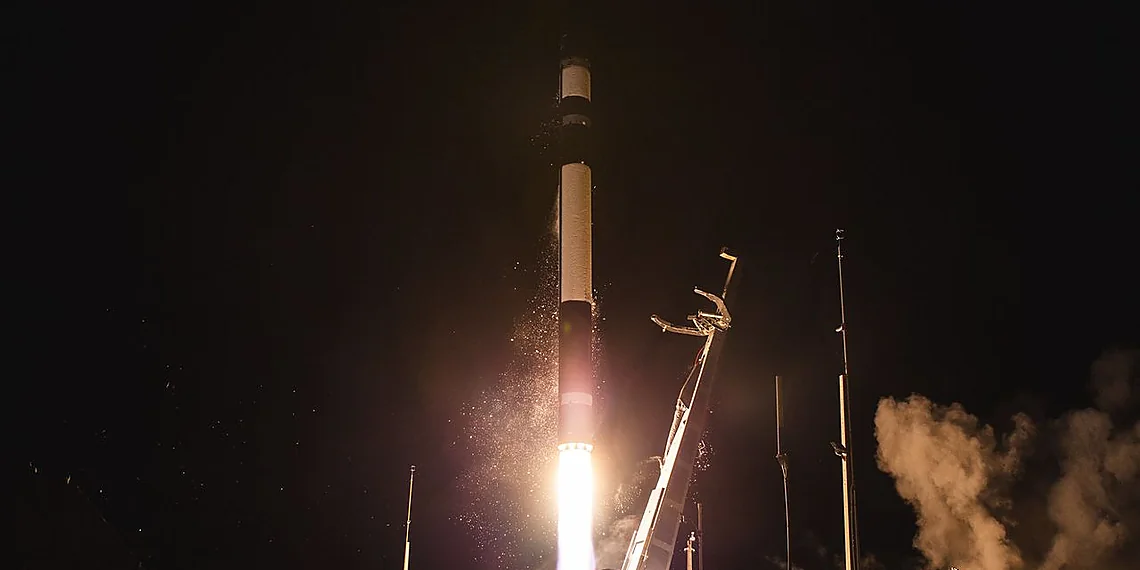

Get ready to witness an exciting moment in space exploration! Argentina has finalized the integration of its Cubesat, ATENEA, marking a significant step towards lunar orbit. While Brazil’s space program faces challenges, this achievement highlights regional progress and international collaboration. The development of this Cubesat underscores Argentina’s growing capabilities.
What is the ATENEA Cubesat?
ATENEA (Advanced Technology Experimental Argentinian Satellite) is a 3U Cubesat developed by the Argentine Space Agency (ASAE) in collaboration with universities and research institutions. Its primary mission is to conduct scientific experiments and technology demonstrations in lunar orbit, specifically focusing on radiation measurements and lunar surface imaging. The satellite’s design incorporates cutting-edge miniaturization techniques, allowing for a compact and lightweight package capable of performing complex tasks. Consequently, ATENEA serves as a valuable platform for technological advancement.

Key Features and Objectives
- Radiation Monitoring: ATENEA will collect data on radiation levels in lunar orbit, crucial for understanding the long-term effects on future manned missions. Therefore, this data is vital for ensuring astronaut safety.
- Lunar Surface Imaging: The Cubesat is equipped with a camera to capture high-resolution images of the lunar surface, aiding in geological mapping and resource identification. For example, these images can contribute to identifying potential landing sites.
- Technology Demonstration: ATENEA serves as a platform for testing new technologies relevant to future Argentine space missions, including advanced communication systems and power management techniques. In addition, this allows Argentina to refine its technological expertise.
The Integration Process & Launch Details
The final integration phase involved rigorous testing of all subsystems, ensuring seamless operation in the harsh environment of lunar orbit. This included thermal vacuum tests to simulate the extreme temperature variations experienced during a lunar mission and vibration tests to verify structural integrity during launch. Subsequently, these tests confirmed ATENEA’s readiness for space. ATENEA is being deployed as a secondary payload on a larger international mission; details about the primary mission’s launch vehicle and target date are expected soon.

Significance for Argentina and Regional Space Development
The successful integration of ATENEA represents a major milestone for Argentina’s space program. It demonstrates the country’s growing capabilities in satellite design, manufacturing, and mission operations. Furthermore, it underscores the importance of international collaboration in advancing space exploration; this collaborative approach facilitates knowledge sharing. This project fosters scientific exchange and technological development within the region. Notably, the success with this Cubesat sets a precedent for future endeavors.
- Inspiring Future Generations: The ATENEA mission serves as an inspiration for young Argentinians to pursue careers in science, technology, engineering, and mathematics (STEM). As a result, it contributes to building a skilled workforce.
- Boosting Technological Innovation: The project has stimulated innovation in various fields, including microelectronics, materials science, and software development. For instance, advancements made for ATENEA can be applied to other industries.
- Strengthening International Partnerships: ATENEA’s deployment highlights the potential for increased collaboration between Argentina and other spacefaring nations; this fosters mutual growth.
While Brazil’s space agency faces criticism regarding its progress, Argentina’s commitment to lunar exploration with ATENEA offers a compelling example of regional advancement in space technology.
The launch and subsequent operations of the ATENEA Cubesat will be closely monitored by scientists and engineers worldwide. We eagerly await updates on its mission progress, contributing to our understanding of the Moon and paving the way for future lunar endeavors. Therefore, we anticipate significant advancements in lunar exploration due to this mission.
Source: Read the original article here.
Discover more tech insights on ByteTrending.
Discover more from ByteTrending
Subscribe to get the latest posts sent to your email.