
A Historic Space Triple Play
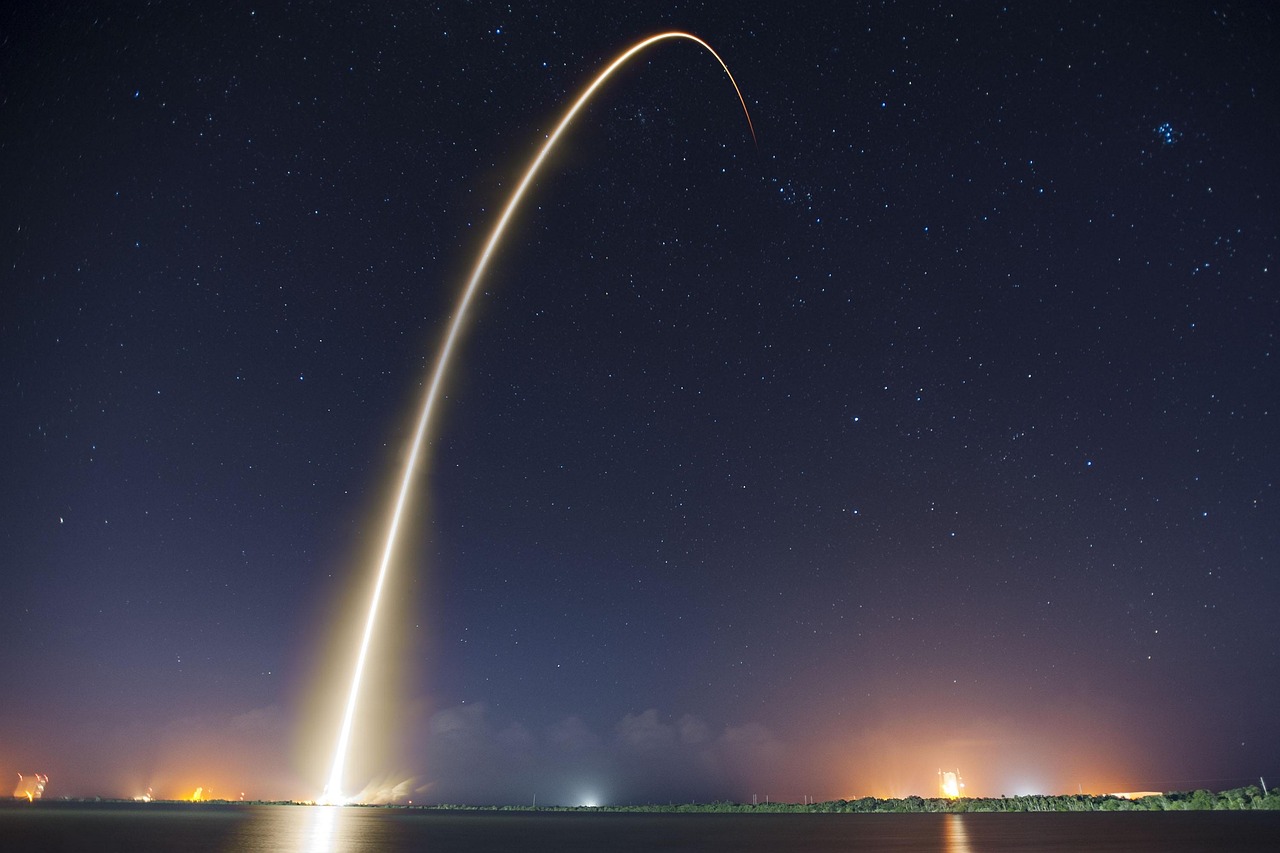
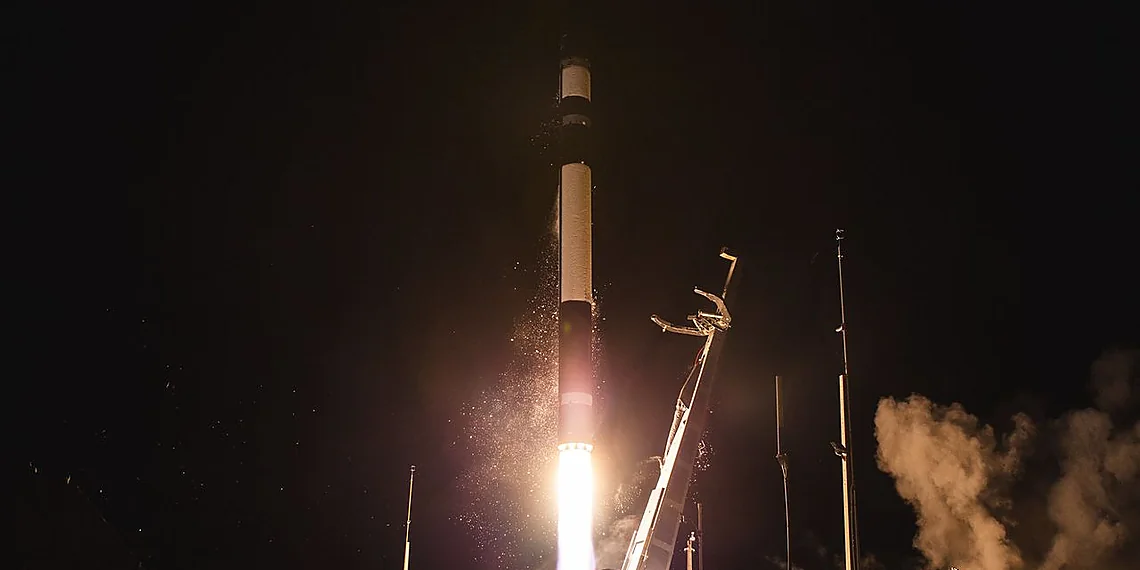
Yesterday marked a significant moment in space exploration with the successful launch of a SpaceX Falcon 9 rocket carrying three crucial missions: NASA’s Interstellar Mapping and Acceleration Probe (IMAP), the Carruthers Geocorona Observatory, and NOAA’s Space Weather Follow On – Lagrange 1 (SWFO-L1). This combined launch originating from Launch Complex 39A at Kennedy Space Center in Florida represents a collaborative effort aimed at deepening our understanding of the Sun’s influence on both Earth and the broader solar system. The coordinated effort highlights advancements in mission planning, allowing for efficient resource allocation while furthering scientific discovery through this unique launch.
Understanding the Missions
IMAP: Mapping Interstellar Boundaries
The Interstellar Mapping and Acceleration Probe (IMAP) is designed to study the heliopause, a critical region marking the boundary of our solar system where the Sun’s influence diminishes and interstellar space begins. IMAP’s mission involves mapping this zone with unprecedented detail, providing valuable insights into how the solar wind interacts with the local interstellar medium. As a result, scientists hope to uncover clues regarding the origin and evolution of our solar system, furthering our understanding of this complex environment.
Carruthers Geocorona Observatory: Unveiling Earth’s Outer Atmosphere
Named in honor of physicist Donald Carruthers, this observatory will concentrate on observing Earth’s geocorona – a faint halo of gas surrounding our planet. The geocorona is primarily composed of escaping hydrogen and helium. Notably, understanding its composition and dynamics offers essential insights into atmospheric loss processes and how they might affect other planets throughout the galaxy. Furthermore, the data collected promises to refine models of planetary atmospheres.
SWFO-L1: Predicting Space Weather
The Space Weather Follow On – Lagrange 1 (SWFO-L1) mission plays a vital role in safeguarding Earth from space weather impacts. Positioned at the Sun-Earth L1 Lagrange point, SWFO-L1 will provide continuous observations of solar activity and its effects on our planet’s magnetosphere. This constant monitoring allows forecasters to predict geomagnetic storms and other disruptive events that can impact satellites, power grids, and communication systems; therefore, it is a crucial component in protecting our technological infrastructure.
The Significance of a Combined Launch
Launching these three missions together provides several distinct advantages. For starters, it significantly reduces the overall cost compared to individual launches, making space exploration more accessible and sustainable. In addition, it allows for coordinated data collection across various regions of space, resulting in a far more comprehensive picture of solar wind and space weather phenomena. Consequently, scientists can analyze interconnected data sets to build a holistic understanding.
- Cost Efficiency: Sharing launch resources lowers overall expenses.
- Synergistic Data: Combined observations provide broader insights into space weather and planetary boundaries.
- Increased Scientific Output: Collaboration fosters discovery and accelerates the pace of scientific advancement in our understanding of launches and their impact.
Looking Ahead
The success of this triple launch signifies a substantial stride forward in our ability to predict space weather and explore the outer reaches of our solar system. Data obtained from IMAP, Carruthers, and SWFO-L1 will prove invaluable for both scientists and engineers alike. Consequently, these missions pave the way for future advancements in space exploration and innovative technologies that improve our understanding of the universe. The ongoing analysis will undoubtedly reveal new insights into how our planet interacts with its surrounding environment.
// Example code snippet (illustrative only) - This is not functional code. It is merely an example. Source: Read the original article here.
Discover more tech insights on ByteTrending.
Discover more from ByteTrending
Subscribe to get the latest posts sent to your email.