South Korea’s INNOSPACE has recently achieved a significant milestone in its pursuit of commercial space launch capabilities. The company announced the successful completion of qualification testing for the first stage of its HANBIT-Nano rocket – a vital step marking the final ground tests needed before its inaugural commercial deployment from the Center for Aerospace Experimentation (CEA). This advancement underscores the continued progress within South Korea’s burgeoning and increasingly important space industry.
Understanding INNOSPACE and the HANBIT-Nano Rocket
INNOSPACE is a pioneering South Korean company dedicated to developing advanced rocket propulsion systems and small satellite launch services. The HANBIT-Nano rocket itself is designed as a versatile, compact launcher specifically intended for deploying microsatellites into Low Earth Orbit (LEO). Its smaller size offers increased launch frequency and operational flexibility compared to larger, more traditional rockets. As a result, INNOSPACE aims to provide cost-effective and accessible space access solutions.
The Importance of Qualification Testing in Rocket Development
Qualification testing represents a critical juncture in any rocket development program. These rigorous evaluations meticulously assess every aspect of the rocket’s first stage, including engine performance, structural integrity, and control systems, under conditions simulating an actual launch environment. Essentially, the goal isn’t merely to confirm that components function correctly; rather, it is to proactively identify potential weaknesses or failure points before they can impact a live launch event.
Key Areas of Evaluation During Qualification Testing
- Engine Performance Validation: This involves precisely measuring thrust output and ensuring reliable operation throughout the engine’s burn cycle. For example, engineers analyze combustion efficiency and nozzle performance to optimize power delivery.
- Structural Integrity Assessment: The rocket’s ability to withstand extreme stresses during ascent is thoroughly tested through vibration, shock, and pressure simulations. These tests help identify potential structural vulnerabilities.
- Control System Verification: Confirming accurate navigation and guidance capabilities is paramount for mission success. This involves simulating flight conditions and verifying that the control system can maintain stability and trajectory.
The successful conclusion of these qualification tests highlights INNOSPACE’s unwavering commitment to safety and reliability, which are fundamental prerequisites for building trust in their commercial launch services.
What Lies Ahead: Preparing for Launch
Following this substantial achievement, INNOSPACE is now diligently preparing the rocket for its upcoming launch from the CEA. This phase encompasses final assembly procedures, payload integration – ensuring seamless compatibility with the satellite being launched – and a comprehensive series of pre-launch checks to verify all systems are operating optimally. The CEA provides a dedicated infrastructure for both suborbital and orbital launches, providing invaluable support for South Korea’s expanding space program.
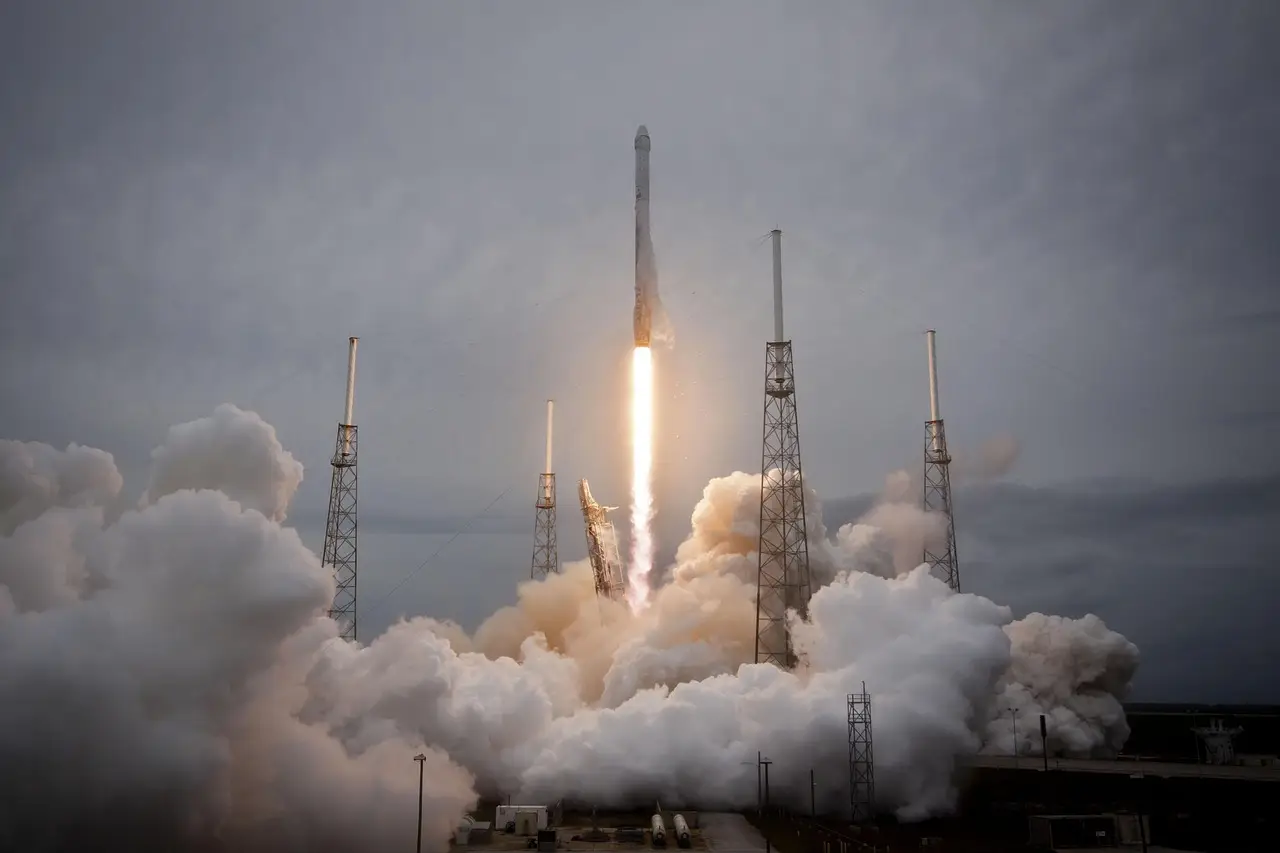
While the precise launch date remains to be officially announced, industry analysts anticipate it will occur within the coming months. This inaugural commercial launch represents a pivotal moment for INNOSPACE and promises to significantly bolster South Korea’s rising prominence within the global space market.
The Broader Implications for Korean Space Exploration
INNOSPACE’s HANBIT-Nano program is intrinsically linked to South Korea’s broader national strategy for enhancing its independent access to space. Consequently, the nation has made significant investments in developing indigenous launch capabilities, aiming to reduce reliance on foreign providers and fostering growth within its domestic satellite industry. Furthermore, a successful demonstration of the HANBIT-Nano’s capabilities will pave the way for even more ambitious rocket development initiatives and further solidify South Korea’s position as a key contributor to the future of space exploration.
Source: Read the original article here.
Discover more tech insights on ByteTrending.
Discover more from ByteTrending
Subscribe to get the latest posts sent to your email.