
Uncovering Martian Geology: A Tale of Two Rocks
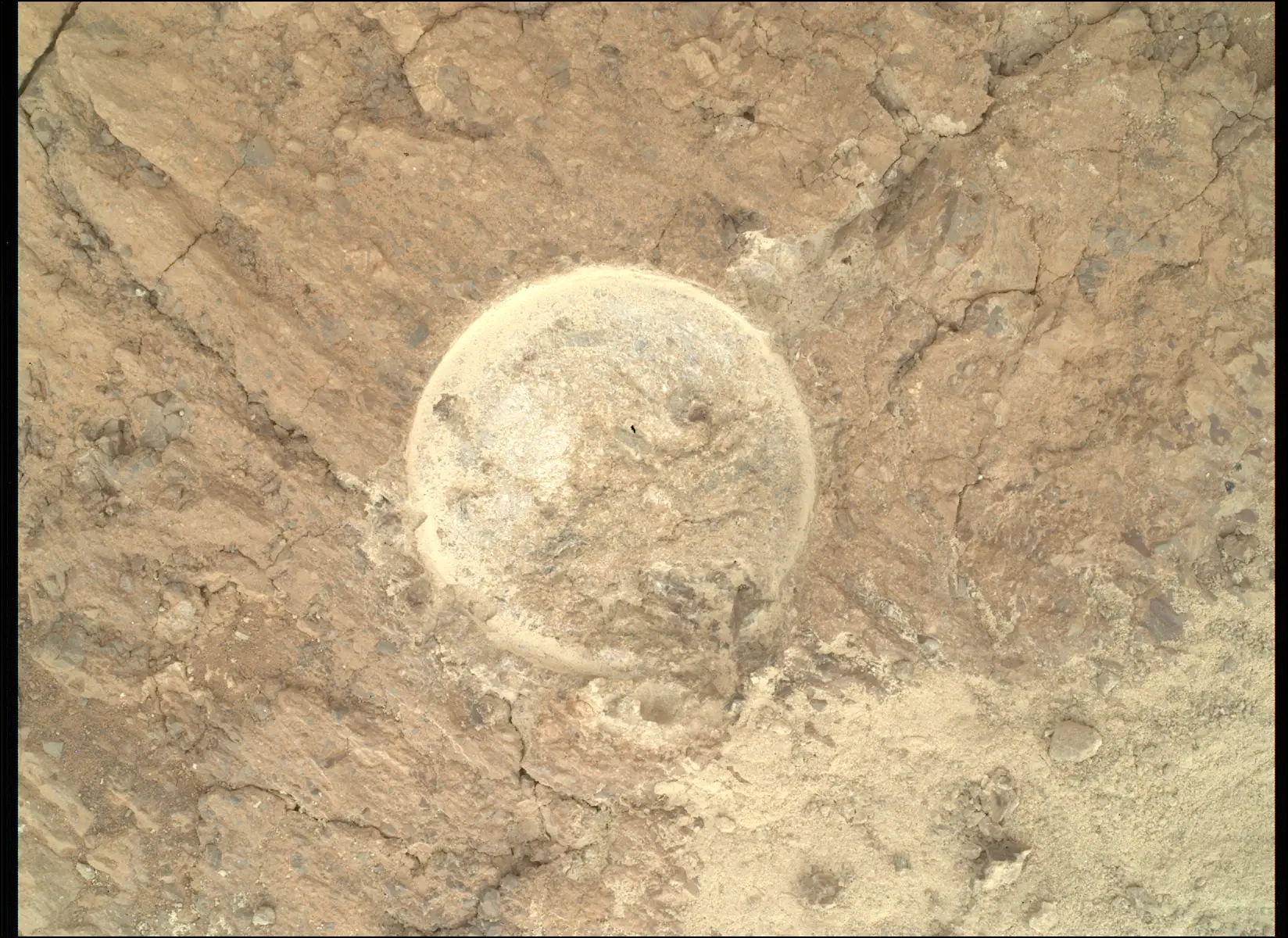
Perseverance rover’s recent activities have revealed a fascinating glimpse into the geological diversity of Jezero Crater on Mars. This week alone, the rover abraded two strikingly different rock types within close proximity, offering scientists valuable insights into the crater’s complex history. Written by Professor Melissa Rice of Western Washington University, this discovery highlights the varied composition of ancient Martian crustal materials. As we delve deeper into these findings, understanding Mars‘ geological evolution becomes increasingly clear.
Megablocks: A Window to Mars’ Past
The rover is currently exploring the Vernodden area along Jezero crater’s rim. Here, it has encountered what scientists are calling “megablocks.” These aren’t just ordinary rocks; they represent substantial chunks of ancient crustal material that were likely emplaced by massive impacts or tectonic shifts long ago. Think of them as puzzle pieces from a much larger, more complex geological picture. Furthermore, these megablocks provide invaluable data for reconstructing the history of Mars.
The first abradable rock, dubbed “Brimstone,” exhibited characteristics suggesting it formed in an environment rich in magnesium and iron. This points towards potential hydrothermal activity – hot water interacting with the surrounding rocks – which could have created conditions favorable for past microbial life. Analyzing the chemical composition of Brimstone provides clues about the ancient Martian subsurface environment. Subsequently, scientists are using this data to refine models of Mars‘ early climate.


Chemical Composition and Hydrothermal Activity
The presence of magnesium and iron in Brimstone strongly suggests hydrothermal activity once occurred in Jezero Crater. Hydrothermal systems release chemicals that can support microbial life, making this discovery particularly exciting for astrobiologists searching for signs of past life on Mars. In addition, the identification of these elements contributes to a more comprehensive understanding of the geological processes shaping the planet.
A Sudden Shift: The Second Rock’s Story
What makes this discovery truly remarkable is the subsequent encounter with a dramatically different rock type, “Hogwallow.” Hogwallow showed signs of being much more silica-rich than Brimstone. Silica often precipitates from water and can preserve organic molecules, further fueling speculation about past habitability. Therefore, studying Hogwallow alongside Brimstone offers a comparative analysis that enhances our understanding of Mars’ geological history.
The rapid shift in rock types within such a small area suggests that Jezero Crater was subjected to a wide range of geological processes. It’s like witnessing a variety show – each rock presents a different act, revealing a unique chapter in Mars’ history. On the other hand, this variability also poses challenges for interpreting past environmental conditions.
Silica-Rich Environments and Organic Preservation
The presence of silica in Hogwallow is significant because it can act as a preservative for organic molecules – the building blocks of life. If any ancient microbial life existed in Jezero Crater, there’s a possibility that evidence of it could be preserved within these silica-rich layers. For example, similar processes have been observed on Earth, highlighting the potential for Mars to have harbored past life.
Implications for Astrobiology
The presence of both magnesium-iron rich rocks and silica-rich rocks significantly expands the potential habitats that may have existed in Jezero Crater. Hydrothermal systems, coupled with environments conducive to silica precipitation, are considered prime locations for life to emerge and thrive. Notably, this discovery reinforces the importance of continued exploration of Jezero Crater.
Perseverance’s ability to analyze these diverse rock types is a testament to its advanced scientific instrumentation. The rover’s abrasion tools allow it to expose fresh rock surfaces for analysis by its onboard spectrometers and cameras. These detailed analyses provide invaluable data that scientists on Earth can use to reconstruct the geological history of Mars and assess its potential for past life.
As Perseverance continues its exploration, we can expect even more surprising discoveries that will further refine our understanding of this fascinating planet. Each rock tells a story, and it’s up to us to listen carefully.
Source: Read the original article here.
Discover more tech insights on ByteTrending.
Discover more from ByteTrending
Subscribe to get the latest posts sent to your email.