
Experiencing unexpected system terminations can be incredibly disruptive, impacting productivity and potentially causing data loss. The abortsystem mechanism serves as a critical safeguard against these situations, offering a vital layer of protection during crucial operations. Understanding how to troubleshoot and prevent these abrupt halts is paramount for maintaining operational stability – this article explores the intricacies of the launch abort system (LAS) and provides insights into ensuring mission success.
Delving Deeper: The Launch Abort System (LAS)
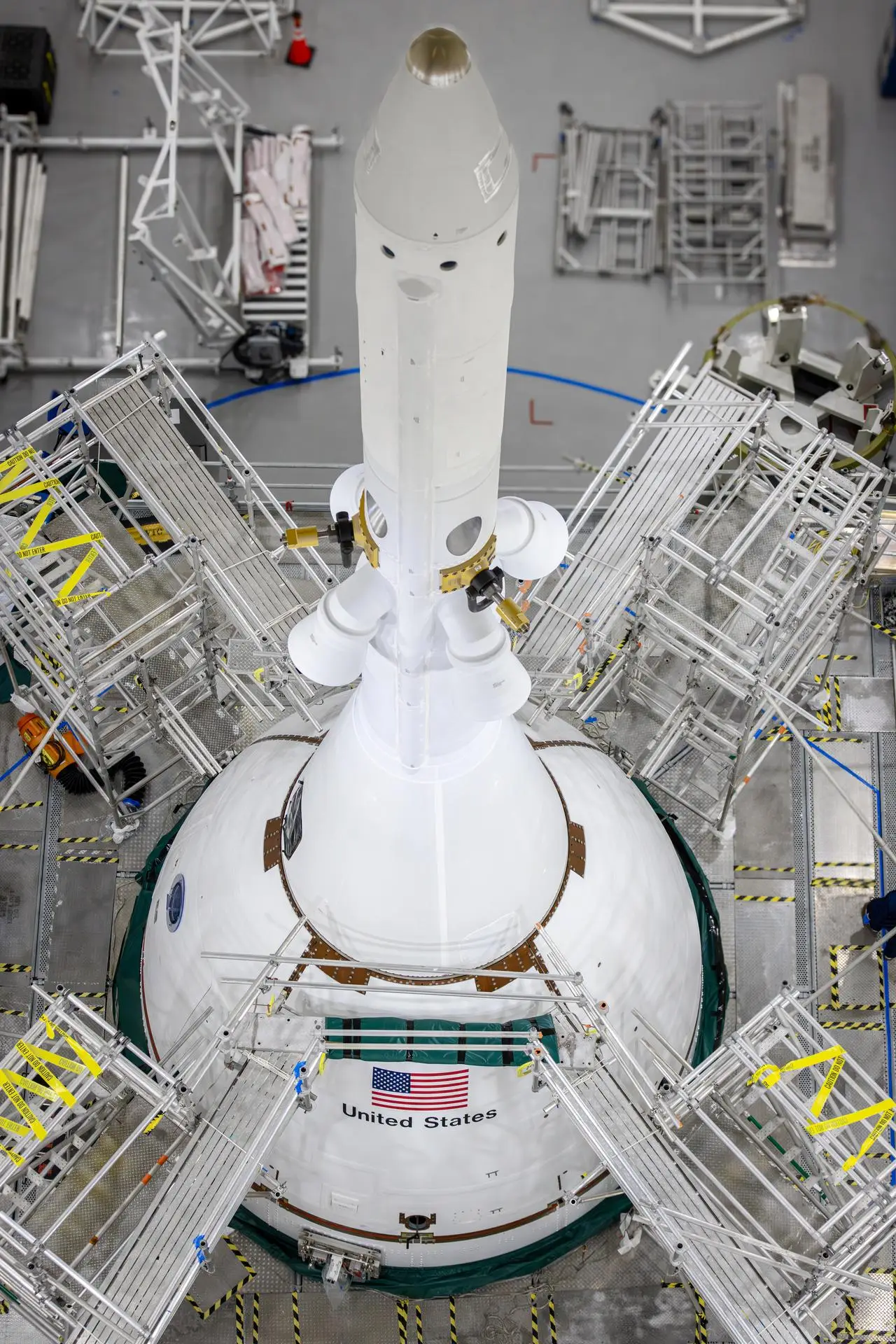
The Launch Abort System, or LAS, represents a vital safety feature designed to protect astronauts during critical phases of spaceflight. Specifically engineered for missions like Artemis II, the abortsystem acts as an emergency escape route should any unforeseen issues arise during launch or ascent.
Components and Functionality
The LAS isn’t simply a single device; it’s a complex assembly comprised of three distinct solid rocket motors. Each component performs a specific function to ensure the crew’s safety. For example, the jettison motor quickly separates the entire abortsystem from the launch vehicle. Furthermore, the attitude control motor meticulously steers and orients the Orion capsule for a safe descent trajectory. Consequently, in an emergency scenario, the abort motor propels the crew module away from the SLS rocket.
The Jettison Process
Following a successful ascent through its most demanding phase, the LAS is jettisoned – a deliberate action to reduce the spacecraft’s overall weight. This process streamlines the remainder of the lunar journey and enhances efficiency. In addition to these functions, NASA continually refines the abortsystem design to maximize safety margins.


Troubleshooting and Preventing System Halts
Understanding common causes and implementing preventative measures is key to minimizing occurrences of system halts. While the LAS itself is designed for emergencies, proactive steps can significantly reduce the likelihood of needing it.
Identifying Root Causes
Often, unexpected terminations stem from software glitches or hardware failures. For example, memory leaks within critical applications can lead to instability and ultimately trigger a system halt. Similarly, faulty sensors providing incorrect data to onboard systems can create cascading errors that result in abrupt shutdowns. Therefore, regular diagnostic checks and thorough code reviews are essential.
Implementing Preventative Measures
To proactively safeguard against these issues, several strategies should be implemented. Regularly updating software and firmware minimizes the risk of known bugs contributing to system instability. Furthermore, robust error handling protocols within applications can prevent minor glitches from escalating into full-blown terminations. On the other hand, redundant hardware components provide a backup in case of failure. Consequently, adopting these preventative measures enhances overall operational resilience.
Future Developments and Enhancements for AbortSystem
NASA continues to refine the abortsystem technology, incorporating lessons learned from previous missions and advances in engineering. For instance, ongoing research focuses on developing more responsive abort motors capable of faster and more precise maneuvers. In addition, improvements in sensor accuracy and data processing contribute to a more reliable and safer abortsystem.
As the Artemis program progresses, these enhancements will play an increasingly crucial role in ensuring crew safety and mission success. Notably, future iterations of the LAS are expected to incorporate autonomous decision-making capabilities for even quicker response times in emergency situations.
The ongoing dedication to improving the abortsystem underscores NASA’s commitment to human space exploration and a proactive approach to safeguarding astronauts during these complex endeavors. Ultimately, continuous innovation in this critical safety system is vital for pushing the boundaries of space travel.
Source: Read the original article here.
Discover more tech insights on ByteTrending.
Discover more from ByteTrending
Subscribe to get the latest posts sent to your email.