ByteTrending
  • Home
    • About ByteTrending
    • Contact us
    • Privacy Policy
    • Terms of Service
  • Tech
  • Science
  • Review
  • Popular
  • Curiosity
Donate
No Result
View All Result
ByteTrending
No Result
View All Result
Home Tech
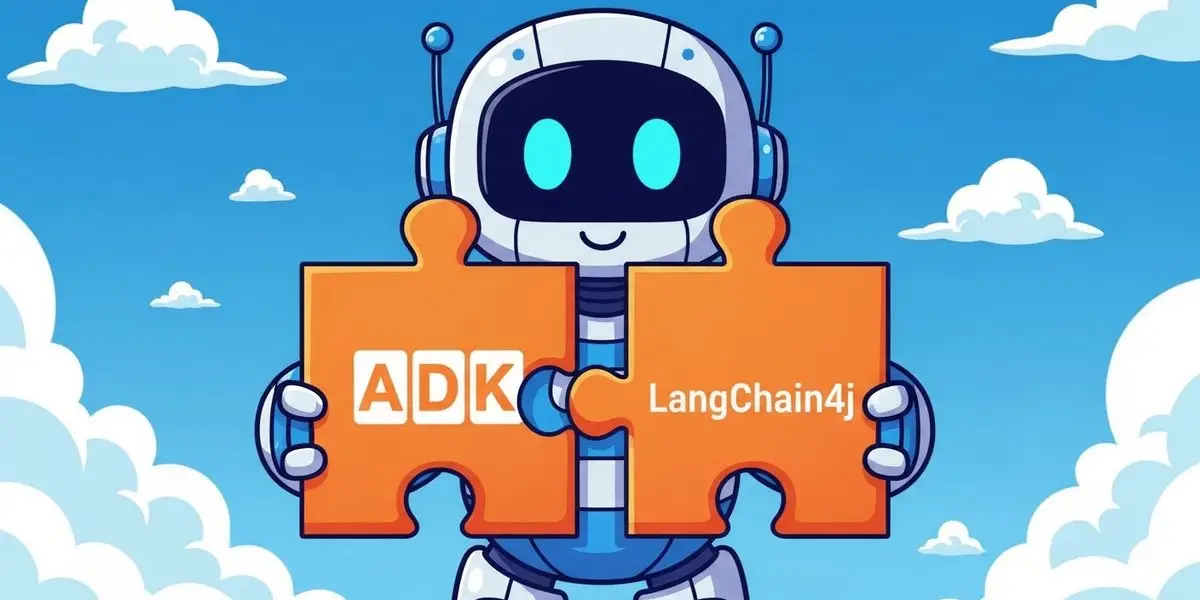
Related image for ADK

ADK for Java Integrates LangChain4j, Expanding AI Options

ByteTrending by ByteTrending
September 18, 2025
in Tech
Reading Time: 2 mins read
0
Share on FacebookShare on ThreadsShare on BlueskyShare on Twitter

Related Post

socially assistive robotics supporting coverage of socially assistive robotics

Socially Assistive Robotics: Integrating Cognition for Human Support

May 5, 2026
ai quantum computing supporting coverage of ai quantum computing

ai quantum computing How Artificial Intelligence is Shaping

May 5, 2026

Construction Robots: How Automation is Building Our Homes

May 5, 2026

Why Reinforcement Learning Needs to Rethink Its Foundations

May 5, 2026

Unlocking New Possibilities with the ADK for Java and LangChain4j

Google’s Agent Development Kit (ADK) has received a substantial upgrade in version 0.2.0, dramatically expanding its capabilities by integrating with LangChain4j. This significant development empowers Java developers to harness a wider array of language models (LLMs) for agent creation and significantly increases flexibility in their AI projects. The ADK, initially released late last year, simplifies the process of crafting intelligent agents; however, this integration with LangChain4j truly unlocks its potential by moving beyond Google’s own LLMs.

Understanding LangChain4j and Its Impact

LangChain4j functions as a crucial abstraction layer, streamlining interaction with various LLMs without requiring developers to modify their code extensively. Consequently, it acts like a universal translator for different AI dialects, supporting models from providers such as OpenAI, Cohere, and Hugging Face, among others. This allows users of the ADK to select the most suitable language model for their agent’s specific requirements, offering a ‘choose your own adventure’ approach.

Key Advantages of LangChain4j Integration

  • Enhanced Flexibility: Developers can now choose from an expanded selection of LLMs based on factors like cost and performance.
  • Reduced Vendor Lock-in: This integration minimizes dependence on a single provider’s ecosystem, increasing development freedom.
  • Streamlined Development: LangChain4j manages the complexities of interacting with diverse APIs, allowing developers to concentrate on the core agent logic.
  • Customization Options: Agents can be fine-tuned using models ideally suited for specific tasks and industry domains.

The integration leverages existing LangChain4j connectors, ensuring a relatively seamless transition. Developers simply configure their ADK agents to utilize these connectors.

Implementing the Integration: A Practical Guide

Getting started with this integration is generally straightforward. Initially, you’ll need to incorporate LangChain4j dependencies into your Java project. Subsequently, configure your ADK agent to use a LangChain4j LLM connector instead of the default Google model. This typically involves providing API keys and connection details relevant to your chosen language model provider.

// Example (Conceptual - Specific implementation will vary)  LLMConnector myLLMConnector = new OpenAIConnector(apiKey); // Or CohereConnector, HuggingFaceConnector, etc. Agent agent = new AgentBuilder() .withConnector(myLLMConnector) .build();

Google provides comprehensive documentation and examples to assist developers throughout this process. Understanding how to configure the LangChain4j connector and integrate it within the ADK’s agent lifecycle is key to success.

The Future of Agent Development with the ADK

This integration signifies a pivotal moment for the ADK, transforming it into a far more versatile platform for constructing AI agents. By adopting open standards and promoting interoperability through LangChain4j, Google is empowering developers to build innovative solutions tailored to their unique needs. Furthermore, the ability to easily switch between language models provides unprecedented flexibility and control, paving the way for increasingly sophisticated agent applications across numerous industries.

As the AI landscape continues its rapid evolution, we can anticipate further enhancements and integrations in subsequent ADK releases.


Source: Read the original article here.

Discover more tech insights on ByteTrending.

Share this:

  • Share on Facebook (Opens in new window) Facebook
  • Share on Threads (Opens in new window) Threads
  • Share on WhatsApp (Opens in new window) WhatsApp
  • Share on X (Opens in new window) X
  • Share on Bluesky (Opens in new window) Bluesky

Like this:

Like Loading…

Discover more from ByteTrending

Subscribe to get the latest posts sent to your email.
Tags: ADKAgentsAIJavaLangChain4j

Related Posts

socially assistive robotics supporting coverage of socially assistive robotics
AI

Socially Assistive Robotics: Integrating Cognition for Human Support

by Sofia Navarro
May 5, 2026
ai quantum computing supporting coverage of ai quantum computing
AI

ai quantum computing How Artificial Intelligence is Shaping

by Sofia Navarro
May 5, 2026
construction robots supporting coverage of construction robots
Popular

Construction Robots: How Automation is Building Our Homes

by Sofia Navarro
May 5, 2026
Next Post
Related image for kubernetes

Kubernetes v1.34: Volume Group Snapshot Beta 2

Leave a ReplyCancel reply

Recommended

Related image for Ray-Ban hack

Ray-Ban Hack: Disabling the Recording Light

October 24, 2025
Generative Video AI supporting coverage of generative video AI

Generative Video AI Sora’s Debut: Bridging Generative AI Promises

April 20, 2026
Related image for Ray-Ban hack

Ray-Ban Hack: Disabling the Recording Light

October 28, 2025
Amazon Bedrock supporting coverage of Amazon Bedrock

How Amazon Bedrock’s New Zealand Expansion Changes Generative AI

April 10, 2026
socially assistive robotics supporting coverage of socially assistive robotics

Socially Assistive Robotics: Integrating Cognition for Human Support

May 5, 2026
AI agent architecture supporting coverage of AI agent architecture

AI Agent Architecture: Engineering Production-Grade AI Agents

May 5, 2026
engineer skill gaps supporting coverage of engineer skill gaps

Engineer Skill Gaps: Turning Technical Discomfort Into Learning

May 5, 2026
Document intelligence pipelines supporting coverage of Document intelligence pipelines

Building Document Intelligence Pipelines with LangExtract

May 5, 2026
ByteTrending

ByteTrending is your hub for technology, gaming, science, and digital culture, bringing readers the latest news, insights, and stories that matter. Our goal is to deliver engaging, accessible, and trustworthy content that keeps you informed and inspired. From groundbreaking innovations to everyday trends, we connect curious minds with the ideas shaping the future, ensuring you stay ahead in a fast-moving digital world.
Read more »

Pages

  • Contact us
  • Privacy Policy
  • Terms of Service
  • About ByteTrending
  • Home
  • Authors
  • AI Models and Releases
  • Consumer Tech and Devices
  • Space and Science Breakthroughs
  • Cybersecurity and Developer Tools
  • Engineering and How Things Work

Categories

  • AI
  • Curiosity
  • Popular
  • Review
  • Science
  • Tech

Follow us

Advertise

Reach a tech-savvy audience passionate about technology, gaming, science, and digital culture.
Promote your brand with us and connect directly with readers looking for the latest trends and innovations.

Get in touch today to discuss advertising opportunities: Click Here

© 2025 ByteTrending. All rights reserved.

No Result
View All Result
  • Home
    • About ByteTrending
    • Contact us
    • Privacy Policy
    • Terms of Service
  • Tech
  • Science
  • Review
  • Popular
  • Curiosity

© 2025 ByteTrending. All rights reserved.

%d