ByteTrending
  • Home
    • About ByteTrending
    • Contact us
    • Privacy Policy
    • Terms of Service
  • Tech
  • Science
  • Review
  • Popular
  • Curiosity
Donate
No Result
View All Result
ByteTrending
No Result
View All Result
Home Science
Related image for stellar nurseries

Fly Through Gaia’s 3D Map of Stellar Nurseries

ByteTrending by ByteTrending
September 17, 2025
in Science, Tech
Reading Time: 3 mins read
0
Share on FacebookShare on ThreadsShare on BlueskyShare on Twitter

Related Post

Related image for black hole rebirth

Black Hole Rebirth: Cosmic Volcano Awakens

February 4, 2026
Related image for early universe supernova

Echoes of Creation: Unveiling a Supernova from the Universe’s Dawn

February 4, 2026

Echoes of Creation: Unveiling a Supernova from the Universe’s Dawn

February 4, 2026

Decoding Universe’s ‘Red Dots’: A Breakthrough in Astrophysics

February 4, 2026

Unveiling Galactic Birthplaces: A New 3D Map

A remarkable achievement in astronomical mapping has emerged, thanks to the European Space Agency’s (ESA) Gaia space telescope. Scientists have successfully constructed the most precise three-dimensional map ever created of stellar nurseries—the regions where stars are born within our Milky Way galaxy. This detailed visualization promises to revolutionize our understanding of these often-hidden cosmic areas and the powerful young stars that shape them, offering a new perspective on how stellar nurseries develop.

What are Stellar Nurseries and Why Map Them?

Stellar nurseries, also known as star-forming regions, are expansive clouds of gas and dust where new stars ignite. These areas are incredibly dynamic; they’re sculpted by the intense radiation and powerful winds emitted from newly formed, massive stars. Understanding these regions is crucial to comprehending how galaxies evolve over time. Previously, attempts at mapping stellar nurseries were hampered by limitations in observational data; Gaia’s precision represents a significant leap forward.

The Significance of Distance Measurement

A key factor allowing for this detailed map is Gaia’s exceptional ability to precisely measure distances to billions of stars. Consequently, these measurements form the fundamental basis for creating accurate three-dimensional maps of stellar nurseries.

Revealing Dust Distribution

Furthermore, the newly created map reveals how dust obscures our view and significantly impacts star formation processes. This allows scientists to better understand the interplay between starlight and surrounding material within these cosmic birthplaces.

  • Distance Measurements: Gaia excels at precisely measuring the distances to billions of stars, which is fundamental for creating accurate 3D maps.
  • Dust Distribution: The map reveals how dust obscures our view and impacts star formation.
  • Star Formation Processes: The data allows astronomers to study the processes that trigger star birth and influence stellar evolution.

Gaia’s Contribution & Future Implications

The Gaia mission, launched in 2014, is charting a census of over 1.8 billion stars within our galaxy. Its astrometric measurements—incredibly precise position and movement data—are the cornerstone of this new stellar nursery map. By combining Gaia’s data with observations from other telescopes, scientists have been able to pierce through the obscuring dust and create an unprecedented view of these formative regions.
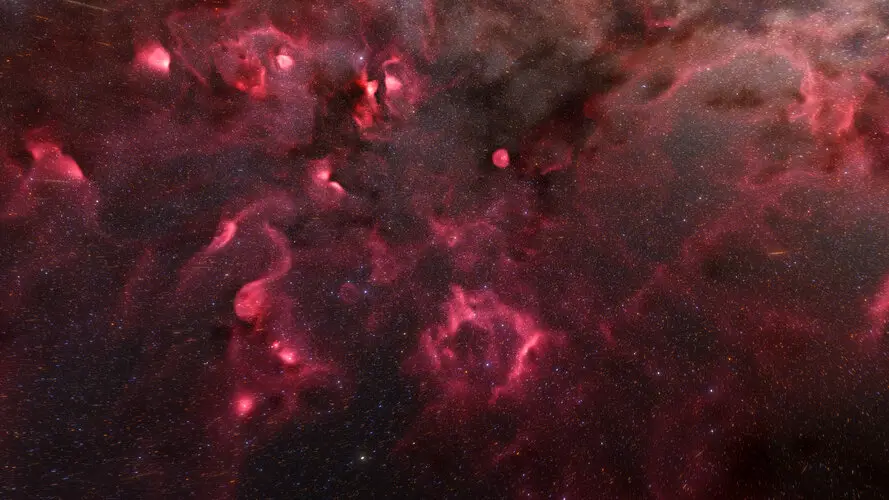
Gaia sees stellar nurseries (animation still)
A visualization of Gaia’s observations of stellar nurseries.

This 3D map isn’t just a visually impressive representation; it’s an incredibly powerful tool for future research endeavors. For example, astronomers can now investigate how star formation rates vary across different regions of the Milky Way. Additionally, they can examine the influence of galactic structure on star birth and explore the connection between stellar nurseries and other cosmic phenomena, such as supernova explosions. Consequently, this enhanced understanding will contribute to a broader view of galactic evolution.

Conclusion: A New Window on Starbirth

The creation of this 3D stellar nursery map represents a significant milestone in astronomical research. Thanks to Gaia’s meticulous measurements, we now have an unprecedented window into the birthplaces of stars within our own galaxy. Furthermore, future observations and analyses leveraging this data promise exciting discoveries that will deepen our understanding of how galaxies form and evolve over cosmic time.


Source: Read the original article here.

Discover more tech insights on ByteTrending.

Share this:

  • Share on Facebook (Opens in new window) Facebook
  • Share on Threads (Opens in new window) Threads
  • Share on WhatsApp (Opens in new window) WhatsApp
  • Share on X (Opens in new window) X
  • Share on Bluesky (Opens in new window) Bluesky

Like this:

Like Loading…

Discover more from ByteTrending

Subscribe to get the latest posts sent to your email.

Tags: AstronomyGaiaGalaxyMilkyWayStars

Related Posts

Related image for black hole rebirth
Popular

Black Hole Rebirth: Cosmic Volcano Awakens

by ByteTrending
February 4, 2026
Related image for early universe supernova
Popular

Echoes of Creation: Unveiling a Supernova from the Universe’s Dawn

by ByteTrending
February 4, 2026
Related image for early universe supernova
Popular

Echoes of Creation: Unveiling a Supernova from the Universe’s Dawn

by ByteTrending
February 4, 2026
Next Post
Related image for deorbit

A Fusion-Reactor-Inspired Thruster Could Deorbit Space Junk

Leave a ReplyCancel reply

Recommended

Related image for Ray-Ban hack

Ray-Ban Hack: Disabling the Recording Light

October 24, 2025
Generative Video AI supporting coverage of generative video AI

Generative Video AI Sora’s Debut: Bridging Generative AI Promises

April 20, 2026
Related image for Ray-Ban hack

Ray-Ban Hack: Disabling the Recording Light

October 28, 2025
Amazon Bedrock supporting coverage of Amazon Bedrock

How Amazon Bedrock’s New Zealand Expansion Changes Generative AI

April 10, 2026
socially assistive robotics supporting coverage of socially assistive robotics

Socially Assistive Robotics: Integrating Cognition for Human Support

May 5, 2026
AI agent architecture supporting coverage of AI agent architecture

AI Agent Architecture: Engineering Production-Grade AI Agents

May 5, 2026
engineer skill gaps supporting coverage of engineer skill gaps

Engineer Skill Gaps: Turning Technical Discomfort Into Learning

May 5, 2026
Document intelligence pipelines supporting coverage of Document intelligence pipelines

Building Document Intelligence Pipelines with LangExtract

May 5, 2026
ByteTrending

ByteTrending is your hub for technology, gaming, science, and digital culture, bringing readers the latest news, insights, and stories that matter. Our goal is to deliver engaging, accessible, and trustworthy content that keeps you informed and inspired. From groundbreaking innovations to everyday trends, we connect curious minds with the ideas shaping the future, ensuring you stay ahead in a fast-moving digital world.
Read more »

Pages

  • Contact us
  • Privacy Policy
  • Terms of Service
  • About ByteTrending
  • Home
  • Authors
  • AI Models and Releases
  • Consumer Tech and Devices
  • Space and Science Breakthroughs
  • Cybersecurity and Developer Tools
  • Engineering and How Things Work

Categories

  • AI
  • Curiosity
  • Popular
  • Review
  • Science
  • Tech

Follow us

Advertise

Reach a tech-savvy audience passionate about technology, gaming, science, and digital culture.
Promote your brand with us and connect directly with readers looking for the latest trends and innovations.

Get in touch today to discuss advertising opportunities: Click Here

© 2025 ByteTrending. All rights reserved.

No Result
View All Result
  • Home
    • About ByteTrending
    • Contact us
    • Privacy Policy
    • Terms of Service
  • Tech
  • Science
  • Review
  • Popular
  • Curiosity

© 2025 ByteTrending. All rights reserved.

%d