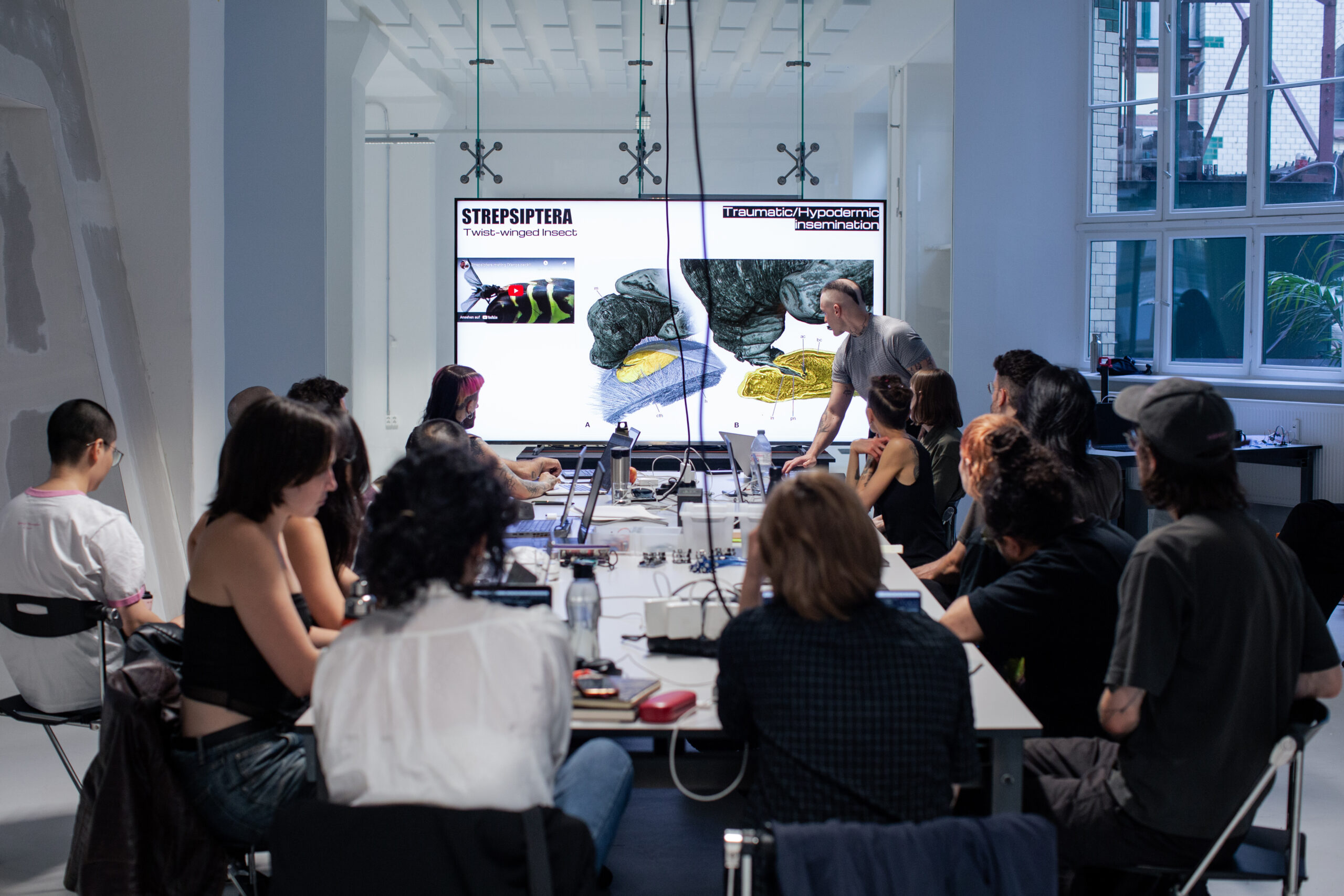

This summer in Berlin, a group of artists, designers, and curious minds gathered to explore an intriguing question: What can parasites teach us about robotics? The workshop provided a unique opportunity to blend biology, science fiction, and open-source hardware, all powered by the versatile arduino platform.
Led by Salvador Marino, a transdisciplinary artist with a PhD in biology, the “Parasites and Robotics” workshop invited participants to delve into this intersection. Over five days of hands-on experimentation, attendees imagined and prototyped robotic bodies inspired by nature’s remarkable adaptations. Consequently, they gained experience using arduino and other tools.
Understanding Parasitic Strategies for Robotic Design
Marino designed the workshop to examine how parasites evolve and adapt to survive—and how these evolutionary strategies could inform robotic prototypes. Each day focused on a distinct aspect of life at the margins, including perception, host bodies, environments, and hybrid identities. Furthermore, participants learned about the principles behind arduino programming.
The Importance of Open-Source Hardware
Participants utilized UNO R4 WiFi boards, Motor Shields, and soldering kits, combining them with digital tools like Pure Data, TouchDesigner, and Ableton Live. As a result, they created unique experimental robots, each exhibiting speculative logic and behavior. Notably, many participants were using arduino for the very first time, demonstrating its accessibility.


Why UNO R4 WiFi is Ideal
Marino emphasized that the UNO R4 WiFi’s suitability stemmed from its beginner-friendliness. “It doesn’t require external libraries and boasts excellent documentation alongside a supportive community,” he stated. The Wi-Fi feature added another layer of functionality, particularly beneficial for creating interactive environments. For example, this allowed seamless integration with other programs.
Prototyping Robotic Innovation
The workshop, hosted at Sybil in Berlin over 20 hours across five days, blended conceptual discussions with practical application. Participants engaged in soldering, wiring, programming, and testing prototypes that questioned the boundaries between organic and artificial life.

Expanding the Ecosystem of Creative Exploration
The Berlin workshop sparked considerable interest, leading Marino to plan new editions in cities like London and Barcelona. This expanding reach demonstrates that open-source tools such as arduino aren’t limited to traditional engineering classrooms; they serve as a versatile canvas for anyone seeking to explore, express, or challenge conventions with technology. In addition, the workshop fostered an environment of collaborative learning and innovation.
The success of “Parasites and Robotics” underscores Arduino’s ongoing role as a bridge between technology and creativity—a valuable tool for students, teachers, makers, and artists alike. Ultimately, it showcases the power of arduino to unlock creative potential in diverse fields.
Source: Read the original article here.
Discover more tech insights on ByteTrending.
Discover more from ByteTrending
Subscribe to get the latest posts sent to your email.