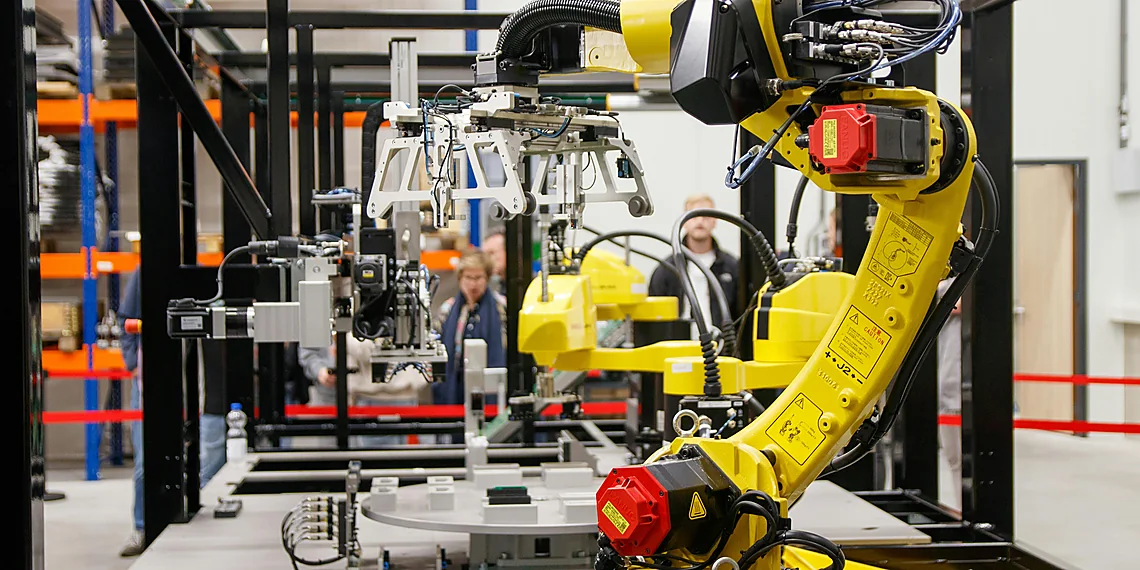
The field of artificial intelligence has witnessed remarkable progress this year, particularly in the area of agents. We’re seeing increasingly sophisticated systems capable of conducting extensive research, automating complex software engineering tasks, and achieving a range of other multi-step goals. Initially, these successes often relied on tightly integrated tools and agents, co-designed and meticulously tested for peak performance. However, as the number of agents proliferates and developers from various organizations create them, strategies heavily reliant on this tight vertical integration are unlikely to scale effectively. The future involves a ‘society of agents,’ where diverse systems must learn to cooperate—a prospect presenting both opportunities and challenges.
The Rise of the Model Context Protocol (MCP) for Agent Interoperability
A promising solution has emerged from an unexpected source: the Model Context Protocol (MCP). Since its inception in January 2025, MCP has evolved from a conceptual specification into a thriving marketplace for tool servers. The core principle of MCP is straightforward: it offers a standardized method for agents to discover and utilize tools without requiring prior knowledge of their specific APIs or implementation details. This decoupling fosters interoperability, enabling agents developed by different teams to seamlessly leverage various capabilities.
A Flourishing Ecosystem Around Agent Tools
The adoption rate of MCP has been surprisingly rapid, demonstrating its value in facilitating collaboration among agents. For example, Zapier currently hosts a catalog of 30,000 tools across over 7,000 services via MCP. Furthermore, Composio manages more than 100 MCP servers, providing access to hundreds of tools. Notably, Hugging Face is leveraging MCP to serve numerous Spaces apps, and Shopify offers storefront functionality through this protocol, showcasing its versatility.
Addressing Challenges in Agent Collaboration: Tool-Space Interference
While MCP addresses a critical need for interoperability, it also introduces new challenges. One significant concern is tool-space interference – situations where different tools unintentionally conflict when utilized by agents. Consider this scenario: two tools might simultaneously attempt to modify the same document, potentially leading to data corruption or unpredictable behavior. Designing for agent compatibility at scale necessitates careful consideration of these potential conflicts and developing robust mitigation strategies.
Microsoft Research’s ongoing work focuses on several key design principles aimed at ensuring smoother agent interactions:
- Enhanced Tool Discovery and Metadata: Improving MCP by incorporating richer metadata about tools, including their capabilities, limitations, dependencies, and expected behavior. This will help agents make informed decisions when selecting appropriate tools for a given task.
- Conflict Resolution Strategies: Developing mechanisms enabling agents to negotiate access to shared resources and resolve conflicts in a safe and predictable manner. For example, implementing queuing systems or establishing priority rules can prevent simultaneous modifications that might cause errors.
- Improved Observability & Debugging: Providing tools for monitoring agent interactions and diagnosing the root causes of tool-space interference is essential as the ecosystem expands. This will allow developers to identify and address potential issues proactively.
The Future of Agent Societies
The emergence of MCP represents a vital step towards establishing a collaborative and interoperable society of agents. By actively addressing challenges like tool-space interference, designing for agent compatibility at scale, and continuously refining the protocol, we can unlock the full potential of agentic AI to address complex problems across industries. As this ecosystem matures, anticipate further refinements to MCP and innovative tools that will facilitate seamless collaboration between agents.
Source: Read the original article here.
Discover more tech insights on ByteTrending.
Discover more from ByteTrending
Subscribe to get the latest posts sent to your email.