

For over four decades, Wade Sisler has been a pivotal figure at NASA, witnessing firsthand the expansion of human knowledge and the parallel evolution of technology used to communicate those discoveries. As executive producer at NASA‘s Goddard Space Flight Center, his journey reflects a profound shift in how we experience cosmic exploration—from still photography to immersive virtual reality.
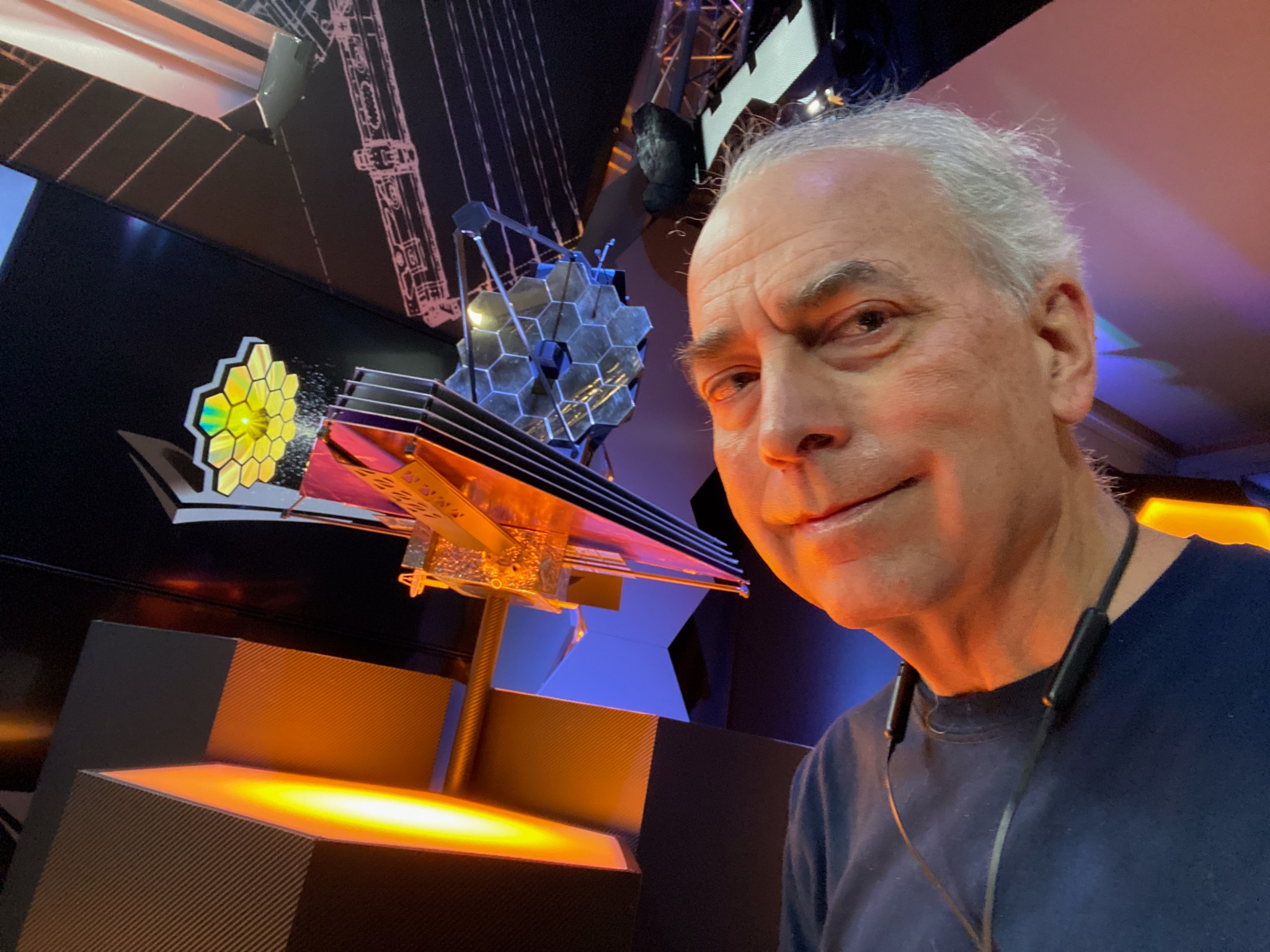
“I’ve consistently been surrounded by remarkably curious and intelligent individuals,” Sisler remarked. “They pursue questions that have the potential to fundamentally alter our perception of the universe, both literally and figuratively.”
Initially starting as a student photographer at NASA’s Ames Research Center, Sisler ultimately became an essential creative force behind some of the agency’s most memorable science storytelling efforts. He consciously shifted his focus to videography because he recognized the powerful way this medium could convey understanding and wonder.
“The depth of narrative one can tell through video is incredibly impactful,” he explained. “It was simply awe-inspiring. Consequently, I transitioned away from my Hasselblads, prioritizing the more potent storytelling tools that emerged within the burgeoning field of video – particularly the capacity to transport audiences and enable them to experience missions firsthand.”
Early Projects: From Space Frogs to Virtual Reality
Throughout the 1980s and 1990s, Sisler played a significant role in producing various projects that translated intricate research into accessible short documentaries and educational broadcasts. He emphasized helping audiences visualize previously unseen phenomena and understand connections they hadn’t recognized before.
A Unique Collaboration with Mae Jemison
One particularly memorable early assignment involved collaborating with astronaut Mae Jemison on a video project examining how frog embryos develop in microgravity aboard the space shuttle. NASA‘s commitment to scientific exploration extended even to unusual areas of study. Furthermore, Sisler was also involved in developing some of the very first virtual reality systems, producing one of the initial videos showcasing VR’s potential for the agency.

Transitioning to Digital Storytelling
The move from photography to video represented a pivotal moment, allowing for more dynamic and engaging storytelling. Subsequently, Sisler’s skills proved invaluable in translating complex scientific concepts into digestible narratives for the public.
The Evolution of Visual Communication at NASA
Sisler points out the remarkable change in how NASA communicates its findings. Initially, still photography was the primary method of capturing progress; however, as technology advanced, video offered a more immersive and compelling way to share those experiences. “We’ve progressed from static images to 3D models, virtual reality, and augmented reality—all aimed at creating an experience that allows people to connect with the science on a deeper level,” Sisler elaborated. He stresses that it’s about more than just displaying what scientists see; it’s also about fostering understanding and inspiring future generations of explorers.
The James Webb Space Telescope Era
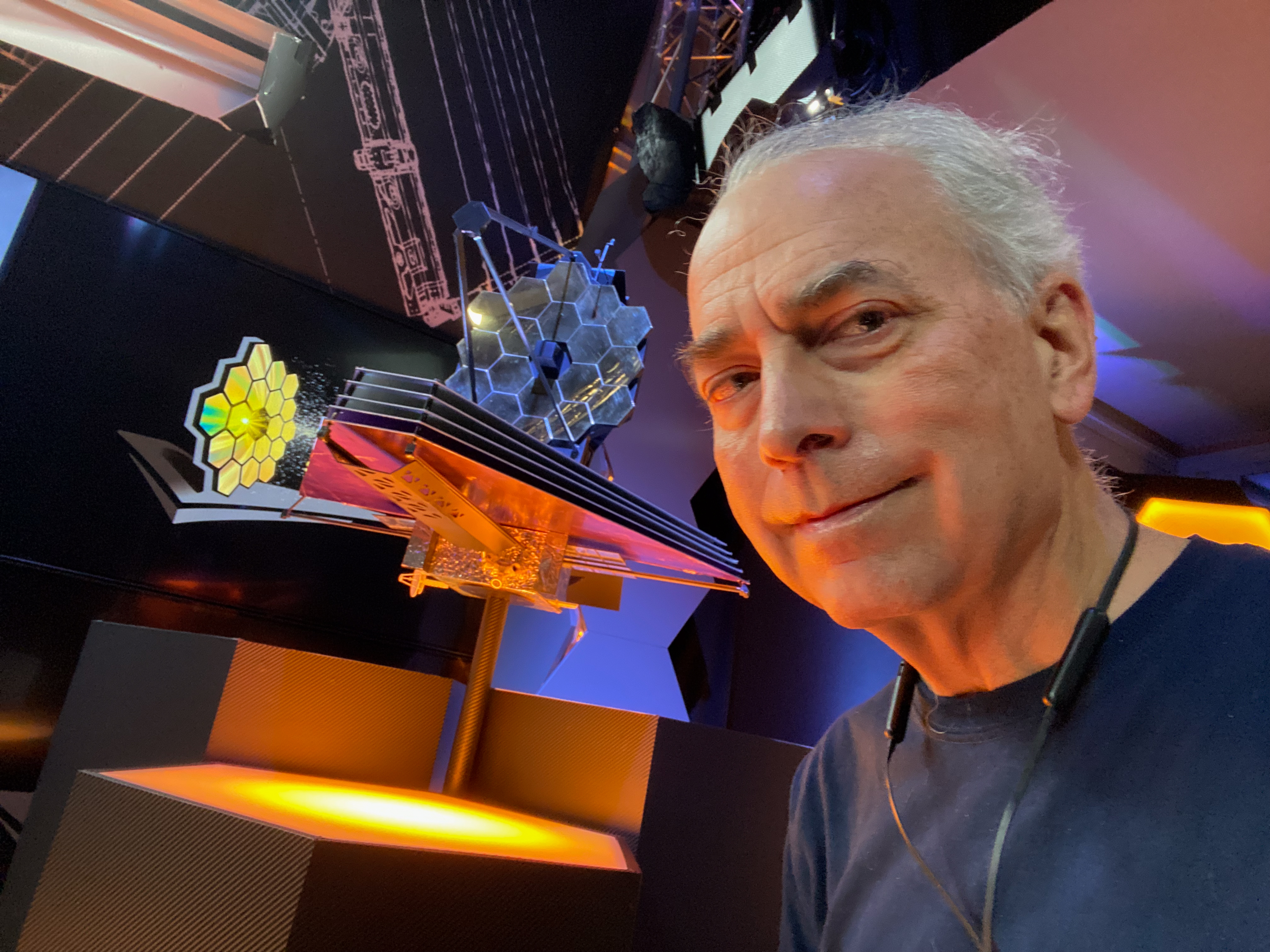
More recently, Sisler has been instrumental in producing content related to the James Webb Space Telescope, ensuring the public can truly appreciate the groundbreaking images and data being returned. This demonstrates NASA’s ongoing commitment to sharing its discoveries with a wider audience.
Future Trends in NASA Visual Storytelling
Sisler anticipates further advancements in how NASA shares its work, including greater integration of artificial intelligence for data analysis and the creation of visually compelling content. Moreover, he envisions interactive platforms that allow audiences to explore scientific datasets directly.
Looking Ahead: The Future of NASA Storytelling
Sisler believes the possibilities are truly limitless, stating, “We’re only just beginning to tap into what we can do to communicate the wonder of space exploration.” His dedication ensures that NASA‘s discoveries continue to reach and inspire a global audience for years to come. He highlights that visual storytelling will be integral to engaging new audiences in science.
Reflecting on his career, Sisler expresses profound gratitude for the opportunity to contribute to humanity’s understanding of the universe. “It’s been an incredible privilege to witness firsthand the relentless pursuit of knowledge and the unwavering spirit of exploration that defines NASA.”
Source: Read the original article here.
Discover more from ByteTrending
Subscribe to get the latest posts sent to your email.