The Expanding Scope of AI Ethics
Recent discussions surrounding artificial intelligence (AI) ethics have largely centered on the impact on humans – addressing concerns like algorithmic bias, job displacement, and the development of autonomous weapons systems. However, a compelling new perspective recently published in Nature highlights a crucial oversight: the potential for increasingly sophisticated AI agents to interact with, and even significantly affect, sentient non-human animals, necessitating that ethical frameworks broaden their scope. Therefore, incorporating considerations for animal welfare is vital as we advance these technologies.
Why Animal Sentience Matters in AI Ethics
The argument extends beyond simply preventing harm; it emphasizes recognizing inherent value. As AI systems become increasingly sophisticated, capable of learning and adapting within complex environments—including those shared with animals—the potential for unforeseen consequences grows exponentially. For example, autonomous vehicles could interact with wildlife unexpectedly, while AI-powered agricultural practices might inadvertently impact animal habitats or well-being. Consequently, a more holistic approach to AI ethics is required.
Defining Sentience & Its Implications
While a universally accepted definition of sentience remains elusive, the growing scientific consensus acknowledges that numerous species possess the capacity for subjective experience – including pain, pleasure, fear, and complex emotions. Notably, this isn’t limited to primates; birds, mammals, cephalopods (like octopuses), and even some invertebrates exhibit behaviors indicative of sentience. Furthermore, understanding these capabilities is crucial for responsible AI ethics.
- Autonomous Vehicles: AI-driven cars must be programmed to prioritize animal safety alongside human safety, going beyond basic obstacle avoidance protocols.
- Agricultural AI: Systems optimizing livestock production should consider the animals’ welfare—promoting natural behaviors and minimizing stress levels in addition to productivity gains.
- Robotics in Conservation: AI-powered robots assisting conservation efforts need careful programming to avoid disrupting animal populations or unintentionally causing harm, which is an important aspect of AI ethics.
Challenges and Future Directions for AI Ethics
Integrating the consideration of animal sentience into AI ethics presents several significant challenges. Firstly, accurately assessing the impact of AI systems on animals requires robust data collection and sophisticated modeling capabilities. Secondly, establishing clear ethical guidelines for AI development necessitates interdisciplinary collaboration between computer scientists, ethicists, biologists, and experts in animal welfare. In addition, current AI ethics frameworks often lack specific provisions for non-human animals.

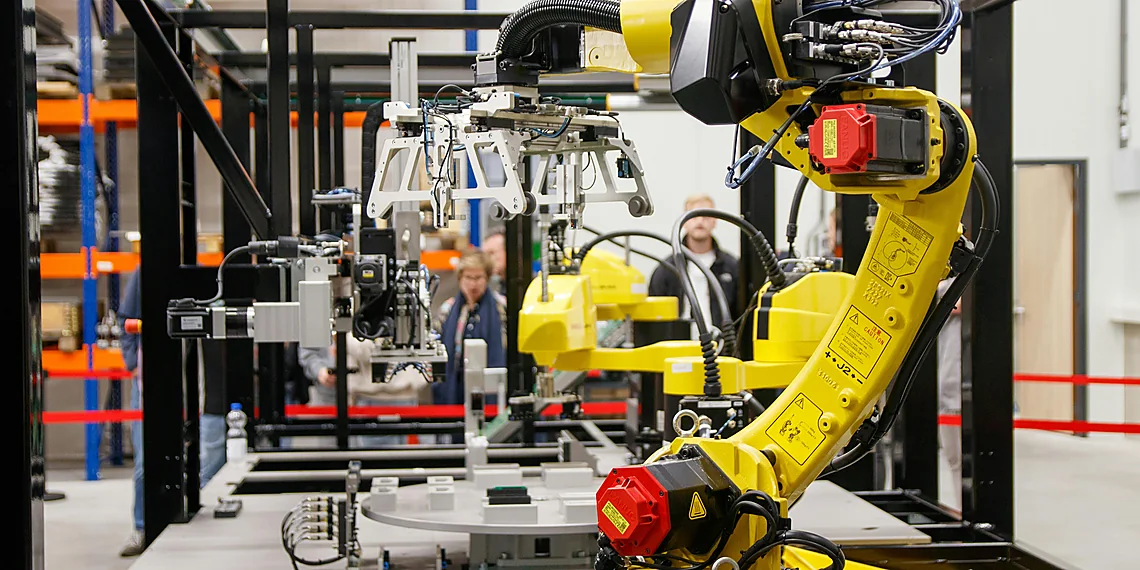
Bridging the Gap: Practical Steps Towards Sentient-Aware AI
- Develop Sentience-Aware Algorithms: Research efforts should focus on developing algorithms that can predict and mitigate potential harm to animals, ensuring a more compassionate approach to technology.
- Implement Welfare Metrics in AI Training: Incorporating measures of animal welfare into the training objectives of AI systems is critical; for example, minimizing stress indicators in agricultural settings.
- Promote Transparency & Accountability: Ensuring transparency in AI development processes and establishing clear mechanisms for accountability when harm occurs will foster trust and responsible innovation. This aspect supports a robust foundation of AI ethics.
The Nature article underscores the fundamental point that ethical AI isn’t solely about human well-being; it’s about fostering a responsible relationship with all living beings. As AI continues its rapid evolution, expanding our moral considerations to encompass sentient non-human animals is not just ethically desirable—it’s absolutely essential for ensuring a sustainable and equitable future.
Source: Read the original article here.
Discover more tech insights on ByteTrending.
Discover more from ByteTrending
Subscribe to get the latest posts sent to your email.