
Discover how a raspberry pi is pushing the boundaries of space exploration! Electronics engineer Elvis Andrés Ayala’s project, Trinidad, leverages affordable Raspberry Pi hardware to capture images and collect vital data from the stratosphere. This innovative endeavor showcases the potential for accessible and low-cost scientific research, inspiring a new wave of space enthusiasts.
The Challenges of Stratospheric Data Collection
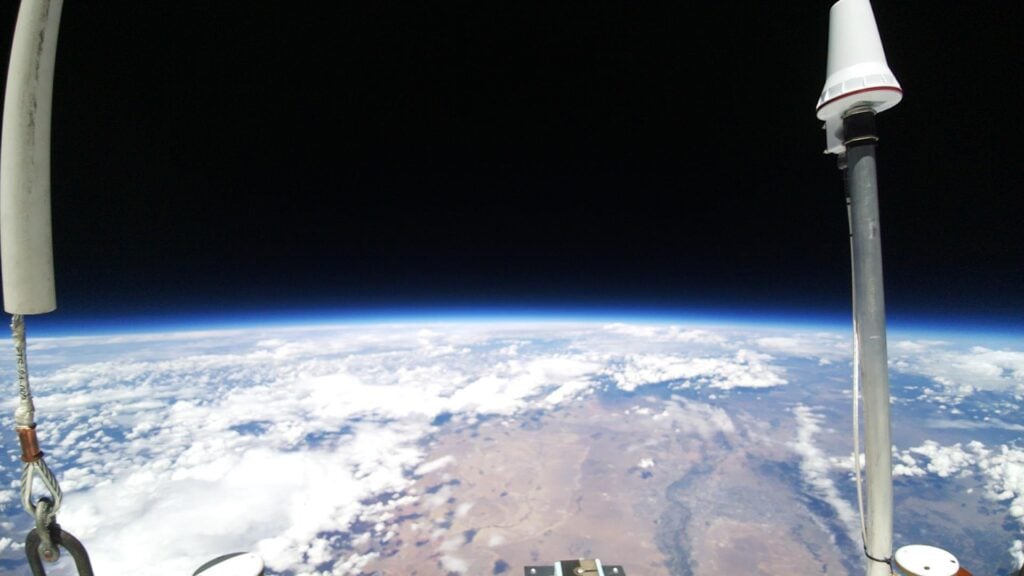
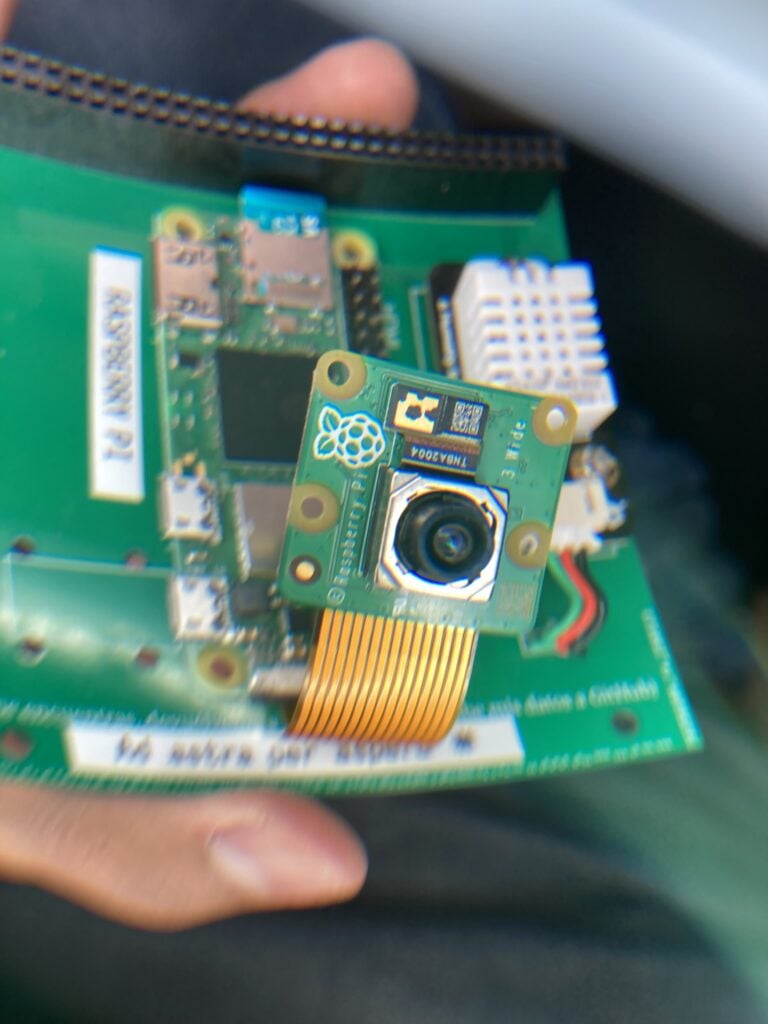
Last year, Elvis participated in the EMIDSS (Experimental Module for the Iterative Design of Satellite Subsystems) mission with NASA, where he launched the initial version of Trinidad. This system, built around a Raspberry Pi Zero 2 W and a Raspberry Pi Camera Module 3 housed within a custom 3D-printed enclosure, reached an impressive average altitude of 42 km in the stratosphere. Remarkably, it captured images under extremely harsh conditions, facing temperatures plummeting below -50 °C. Therefore, the design choices and materials used were critical for survival. Furthermore, the project’s success underscores the robustness and adaptability of raspberry pi hardware even in such extreme environments.
Ensuring Hardware Resilience
To withstand these harsh conditions, Elvis employed several techniques to protect the sensitive electronics within the Trinidad system. The 3D-printed enclosure was designed for both structural integrity and thermal insulation. Additionally, specific components were selected for their ability to function reliably at low temperatures. As a result, data collection remained consistent throughout the flight.
Image Acquisition in Challenging Conditions
Capturing clear images from such high altitudes presented additional challenges. The Raspberry Pi Camera Module 3 needed to compensate for significant variations in lighting and atmospheric conditions. Notably, image processing techniques were implemented to enhance clarity and reduce noise, ensuring valuable visual data was acquired despite the difficult circumstances.
Version 2: Expanding Capabilities
This year, Elvis has developed Trinidad Version 2, a significantly enhanced system integrating new sensors and expanded capabilities. Beyond image acquisition, Version 2 is designed to collect crucial environmental data from the stratosphere. This improved version will be launched aboard a stratospheric balloon from NASA’s base in Fort Sumner, New Mexico. The addition of these sensors allows for more comprehensive data collection, potentially providing valuable insights into atmospheric conditions at high altitudes. The new enclosure has also been redesigned for increased durability and thermal protection.

Democratizing Space Exploration with the Raspberry Pi
Elvis’s overarching goal is to demonstrate the feasibility of creating functional, low-cost aerospace systems using readily available components like the raspberry pi. By proving that sophisticated data collection and image capture can be achieved without exorbitant expenses, he hopes to inspire a new generation of space enthusiasts and make access to space exploration more inclusive. This project highlights the potential for citizen science and democratized access to scientific research. Furthermore, it encourages others to experiment with innovative technologies.
Lowering Barriers to Entry
Traditionally, aerospace projects have required substantial funding and specialized expertise. However, by utilizing affordable hardware like the raspberry pi, Elvis has significantly lowered these barriers to entry. This allows individuals and smaller organizations to participate in scientific research that was previously inaccessible. Similarly, the open-source nature of the Raspberry Pi community fosters collaboration and knowledge sharing.
Future Applications & Expanding the Raspberry Pi’s Reach
The success of Trinidad underscores the versatility of the Raspberry Pi, proving its capabilities extend far beyond desktop computing and hobbyist projects. Future iterations could explore integrating more advanced sensors, improving data transmission methods, or even incorporating machine learning algorithms for real-time analysis during flight. Ultimately, Elvis’s work demonstrates how a small, affordable computer can contribute significantly to advancements in aerospace technology.
The project’s achievements inspire a vision of accessible and innovative space exploration fueled by readily available technologies like the raspberry pi. It serves as a powerful reminder that pushing the boundaries of science doesn’t always require immense resources—often, ingenuity and collaboration are just as crucial.
Source: Read the original article here.
Discover more tech insights on ByteTrending.
Discover more from ByteTrending
Subscribe to get the latest posts sent to your email.