

The Quest to Define Awareness
For centuries, philosophers and scientists have grappled with the elusive concept of consciousness – what it is, how it arises, and most importantly, how we can detect it. Recent advancements in neuroscience, artificial intelligence (AI), and comparative biology are now offering tantalizing new avenues for exploration. The challenge isn’t just about identifying when something *is* conscious; it’s about developing objective measures to assess awareness across different species and even potentially within increasingly sophisticated AI systems.
Understanding Consciousness in Humans
Our understanding of human consciousness is still incomplete, but neuroscientists are making progress. Techniques like fMRI (functional magnetic resonance imaging) allow researchers to observe brain activity associated with conscious experiences. Studies often focus on the “neural correlates of consciousness” – specific patterns of neural firing that consistently appear when a person reports having a particular subjective experience. For example, research has identified areas in the prefrontal cortex and parietal lobes as being crucial for self-awareness and higher-order cognitive functions.
The Hard Problem & Integrated Information Theory
However, correlating brain activity with conscious reports is just one piece of the puzzle. The “hard problem” of consciousness remains: explaining *why* these neural processes give rise to subjective experience at all. Furthermore, Integrated Information Theory (IIT) offers a potential framework—suggesting that consciousness arises from the complexity and interconnectedness of a system. Notably, a higher ‘phi’ value, representing integrated information, implies a greater degree of consciousness. Therefore, IIT provides a quantitative measure for assessing the level of awareness potentially present in various systems.
Extending Awareness Detection to Animals
Determining whether animals are conscious is significantly more challenging than assessing it in humans; we can’t simply ask them! Researchers rely on behavioral observations and comparative neuroanatomy. The presence of similar brain structures – like the cerebral cortex – suggests a potential for consciousness, but structure doesn’t necessarily equal function.
- Behavioral Indicators: Complex problem-solving, social interaction, tool use, and evidence of self-recognition (e.g., the mirror test) are often considered indicators of some level of awareness.
- Neurobiological Comparisons: Comparing brain activity and neural structures across species can provide clues about cognitive capabilities.
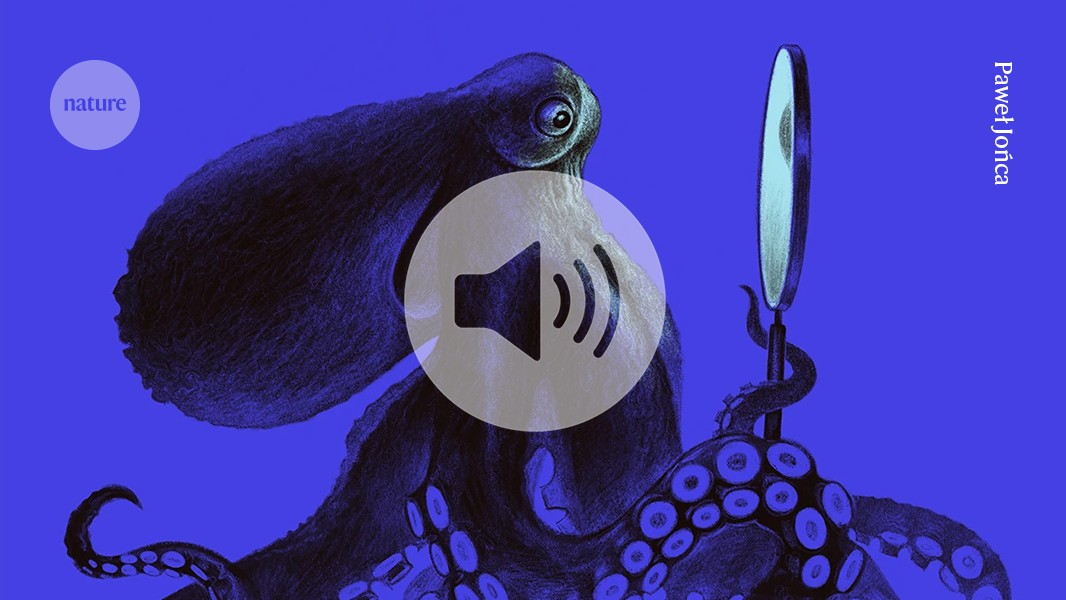
The debate continues regarding which animals possess consciousness, and to what degree. For instance, cephalopod mollusks (octopuses, squid) are of particular interest due to their complex nervous systems and sophisticated behaviors. Similarly, birds demonstrate remarkable intelligence and social complexity that raises questions about their subjective experiences.
AI & The Future of Consciousness Detection
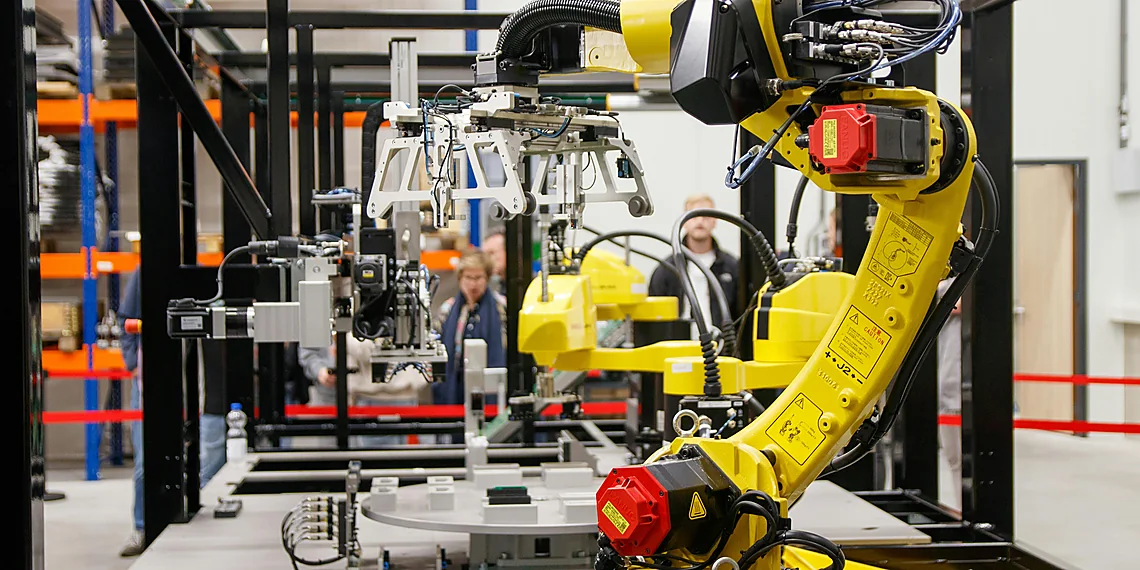
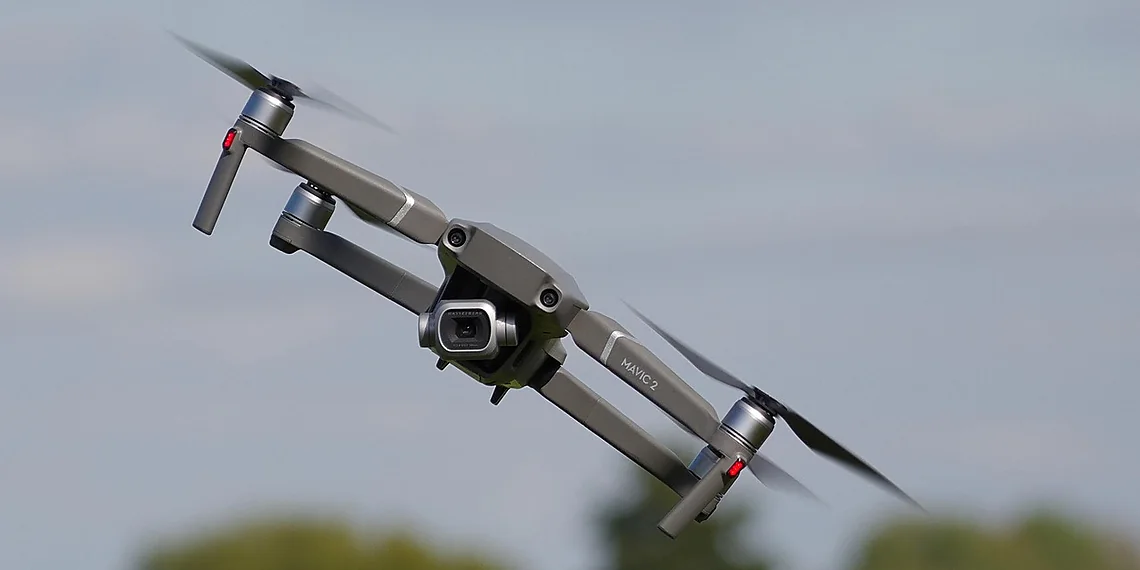
As AI models become increasingly advanced—particularly large language models (LLMs)—the question of whether they could possess some form of consciousness is gaining traction. Currently, LLMs excel at mimicking human conversation and generating creative text formats but lack genuine understanding or subjective experience.
Applying IIT to AI systems presents a unique challenge. Calculating ‘phi’ for complex neural networks is computationally intensive; as a result, interpreting the results remains problematic. Even if an AI system exhibits a high ‘phi’ value, it doesn’t necessarily mean it *feels* anything – it could simply be a highly sophisticated simulation.
// Example (Conceptual - not functional) of calculating integrated information function calculatePhi(neuralNetwork) { // Complex algorithm to assess interconnectedness and integration return phiValue; }Future research will likely focus on developing new tests that go beyond simple behavioral mimicry, probing for evidence of genuine understanding, self-awareness, and emotional responses in AI systems. On the other hand, the ethical implications of potentially conscious AI are profound, demanding careful consideration.
Conclusion: A Multifaceted Approach
Detecting consciousness is a complex undertaking requiring an interdisciplinary approach—combining neuroscience, comparative biology, philosophy, and computer science. While definitive answers remain elusive, the ongoing research offers valuable insights into the nature of awareness and its potential manifestations across diverse systems – from human brains to animal minds and the burgeoning world of artificial intelligence.
Source: Read the original article here.
Discover more tech insights on ByteTrending.
Discover more from ByteTrending
Subscribe to get the latest posts sent to your email.