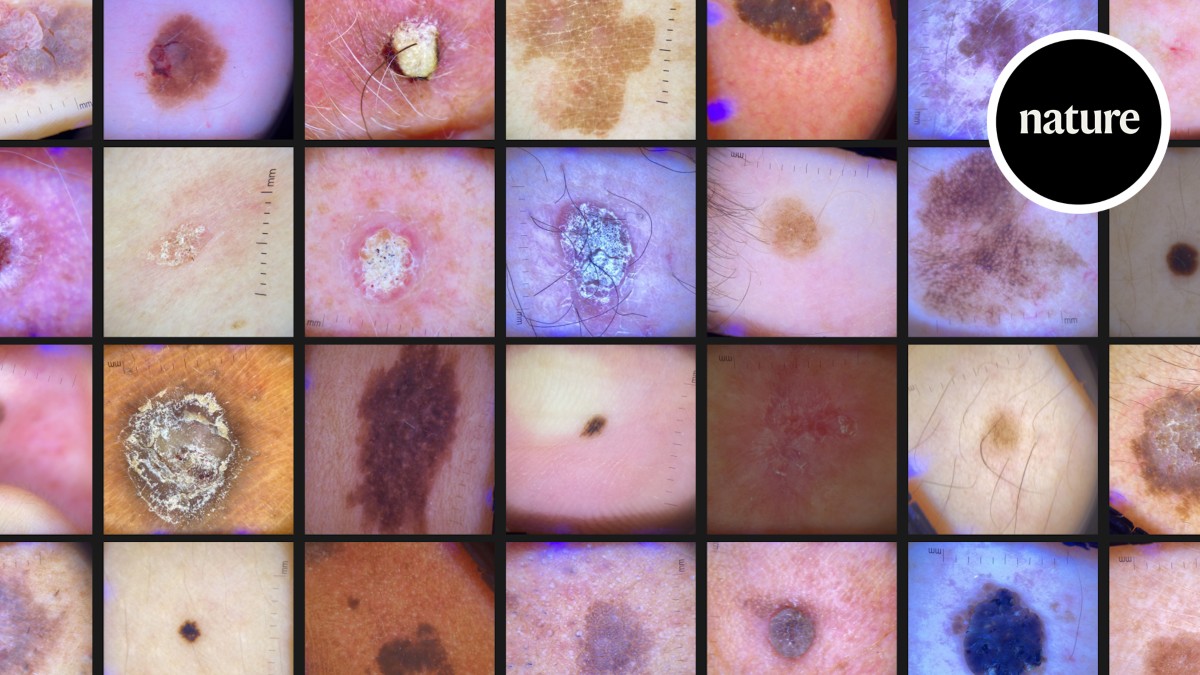

What Today Artificial intelligence (AI) is rapidly transforming healthcare, and its potential impact on dermatology is particularly exciting. England’s National Health Service (NHS) is currently undertaking a groundbreaking trial – evaluating an AI tool that demonstrates remarkable accuracy in diagnosing skin cancer, matching the expertise of seasoned physicians. The Rise of AI in Dermatology Traditional skin cancer diagnosis relies heavily on visual inspection by dermatologists. However, this process can be subjective and prone to human error. Factors like lighting conditions, fatigue, and variations in clinician experience can all influence a diagnosis. An AI-powered system offers an objective alternative, leveraging deep learning algorithms trained on vast datasets of skin images – encompassing various types of melanoma, basal cell carcinoma, and squamous cell carcinoma. How the AI Works The AI tool, developed by, analyzes high-resolution photographs of suspicious lesions. It identifies subtle patterns and features that might be missed by the human eye – often indicators of cancerous cells. The system doesn’t replace a dermatologist; instead, it acts as an invaluable second opinion, flagging potentially concerning areas for further investigation.
Trial Results & Accuracy
Initial results from the NHS trial are highly encouraging. The AI tool achieved diagnostic accuracy comparable to that of expert dermatologists in identifying melanoma – the most dangerous form of skin cancer. This represents a significant step forward, particularly considering the challenges surrounding early detection and timely treatment.
Expanding Access to Care
One of the key benefits of this technology is its potential to expand access to specialized dermatology care, especially in underserved areas where dermatologists are scarce. The AI tool can be deployed in primary care settings, enabling general practitioners to identify suspicious lesions and refer patients for immediate evaluation. This proactive approach could dramatically reduce mortality rates associated with skin cancer.
Looking Ahead: Integration and Future Developments
While the current trial focuses on melanoma detection, researchers are actively expanding the AI’s capabilities to encompass other types of skin cancer and even non-cancerous lesions. Ongoing research aims to refine the algorithms, improve diagnostic accuracy further, and incorporate additional data points – such as patient history and genetic information – for a more holistic assessment.
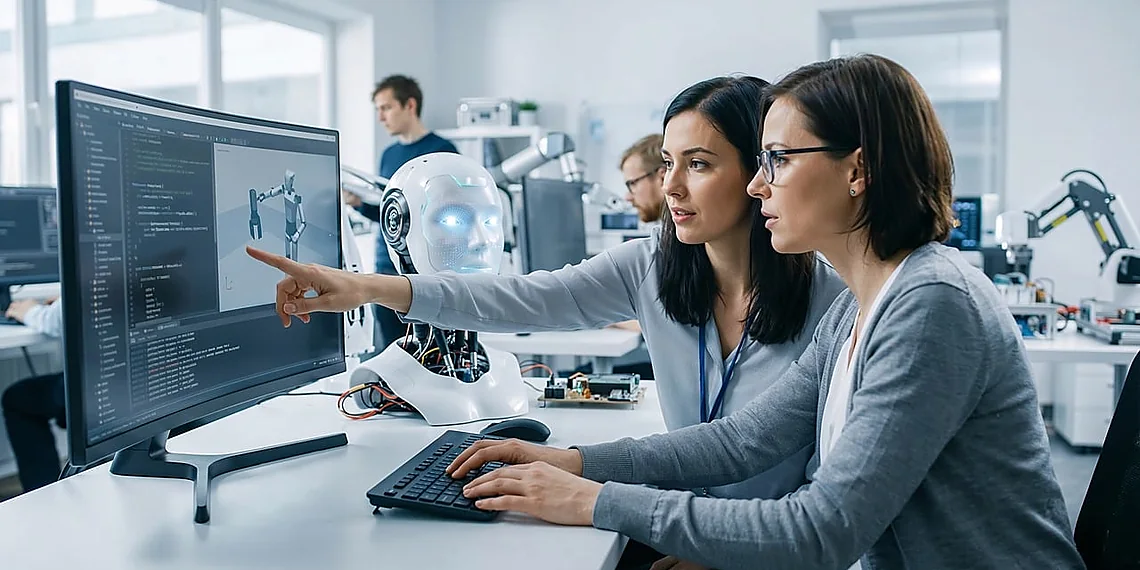
Furthermore, the development of portable AI devices could allow dermatologists to conduct remote examinations, providing even greater convenience and accessibility. The integration of AI into dermatology is not about replacing human expertise but rather augmenting it, ultimately leading to better patient outcomes.
Summary: England’s NHS is pioneering the use of an artificial intelligence tool that accurately diagnoses skin cancer, matching physician accuracy. This technology promises improved access and early detection rates for patients worldwide.
Meta Description: AI revolutionizes dermatology! See how England’s NHS is using AI to diagnose skin cancer with expert precision – improving patient outcomes globally.
Keywords: AI, Skin Cancer, Dermatology, Artificial Intelligence, Diagnosis, Melanoma
Category: Review, Tech
Source: Read the original article here.
Discover more tech insights on ByteTrending.
Discover more from ByteTrending
Subscribe to get the latest posts sent to your email.