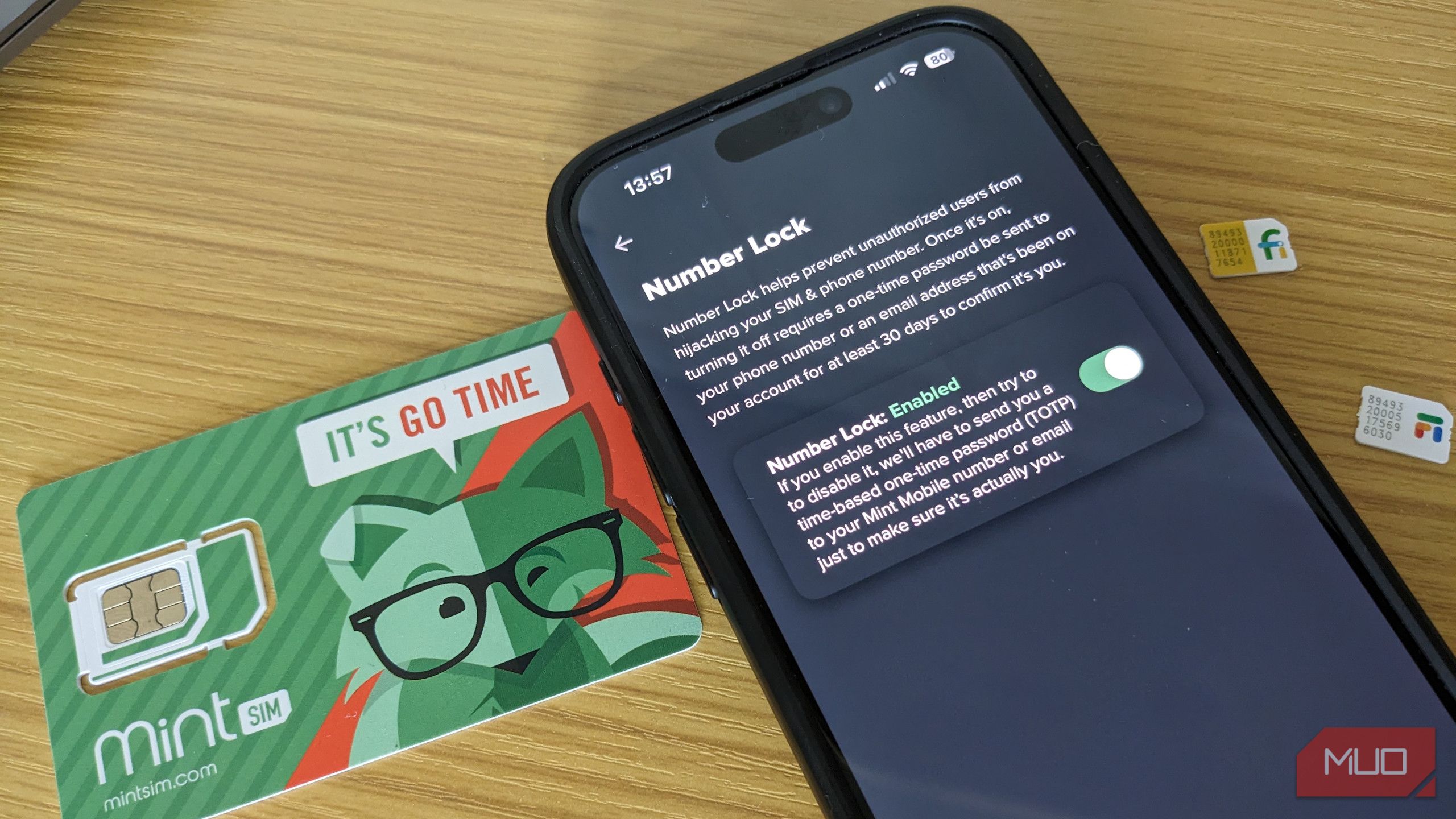

SIM swapping is a serious threat that can have significant consequences. By understanding how it works and taking proactive steps to protect yourself, you can significantly reduce your risk of becoming a victim. Don’t underestimate the importance of 2FA and staying vigilant against phishing scams – they’re your first line of defense in this ongoing battle.
What is SIM Swapping?
SIM swapping, also known as SIM hijacking, is a fraudulent technique used by criminals to take control of someone’s mobile phone number. This allows them to intercept SMS-based two-factor authentication codes and gain access to various online accounts linked to that number. It’s a surprisingly effective method because many mobile network operators still rely heavily on personal information for account verification, creating an opportunity for attackers to exploit.
How Does SIM Swapping Work?
The process typically involves the attacker gathering information about you – often through phishing scams or data breaches – such as your name, address, date of birth, and security questions. With this information, they can then contact your mobile network operator and request a SIM swap, falsely claiming that their original device has been lost or stolen. Because the attacker provides convincing details, the network operator will usually comply, transferring your number to their device.


The effectiveness of SIM swapping stems from the reliance on traditional verification methods. Attackers don’t need physical access to your phone; all they need is enough information to convince the network operator that they are the legitimate owner. This highlights a critical vulnerability in modern security protocols.
Why Should You Be Concerned?
The potential consequences of SIM swapping can be devastating. Criminals can use a compromised number to access your bank accounts, email addresses, social media profiles, and other sensitive online accounts. They can then drain your funds, steal your identity, or spread malware to other devices on your network. The ease with which criminals can achieve this makes it a particularly alarming threat.
Protecting Yourself from SIM Swapping: Practical Steps
Fortunately, there are several steps you can take to significantly reduce your risk of becoming a victim. Here’s a breakdown:
- Enable Two-Factor Authentication (2FA): This is arguably the most important step. 2FA adds an extra layer of security by requiring a code from your phone (or another device) in addition to your password when logging into sensitive accounts. This makes it much harder for attackers to gain access, even if they have your account credentials.
- Use Strong Passwords: Don’t use easily guessable passwords or reuse the same password across multiple accounts. Use a password manager to generate and store strong, unique passwords for each of your online accounts. The security of your accounts depends heavily on robust password practices.
- Be Wary of Phishing Scams: Be extremely cautious about clicking on links in emails or text messages from unknown senders. These could be phishing attempts designed to steal your personal information. Always verify the sender’s identity before providing any sensitive data, and never enter personal details into a website unless you are absolutely certain it is legitimate.
- Regularly Review Your Account Activity: Monitor your bank accounts, credit cards, and other online accounts for any suspicious activity. Report any unauthorized transactions immediately. This proactive monitoring can help you detect fraudulent activity before it causes significant damage.
- Consider Using an Authenticator App: Instead of receiving SMS codes for 2FA, use an authenticator app like Google Authenticator or Authy. These apps generate time-based one-time passwords (TOTP) that are more secure than SMS codes. The increased security offered by authenticator apps significantly reduces the risk of SIM swapping attacks.
What to Do If You Suspect SIM Swapping
If you believe your SIM has been swapped without your consent, take immediate action:
* Contact your mobile network operator immediately and report the incident. They will investigate and, if necessary, revert the SIM swap.
* Change passwords for all of your important accounts – email, banking, social media, etc.
* Monitor your accounts closely for any fraudulent activity.
The Bottom Line
SIM swapping is a serious threat that demands attention. By understanding how it works and taking proactive steps to protect yourself, you can significantly reduce your risk of becoming a victim. Don’t let someone else take over your phone number – prioritize security measures and stay vigilant against these evolving criminal tactics.
Source: Read the original article here.
Discover more tech insights on ByteTrending.
Discover more from ByteTrending
Subscribe to get the latest posts sent to your email.