


E-Waste Recycling: Your Guide to Responsible Disposal
Transform your old electronics into valuable resources! Our expert e-waste recycling process ensures safe disposal and recovers precious materials, protecting the environment and supporting a circular economy. Learn how you can make a difference today!
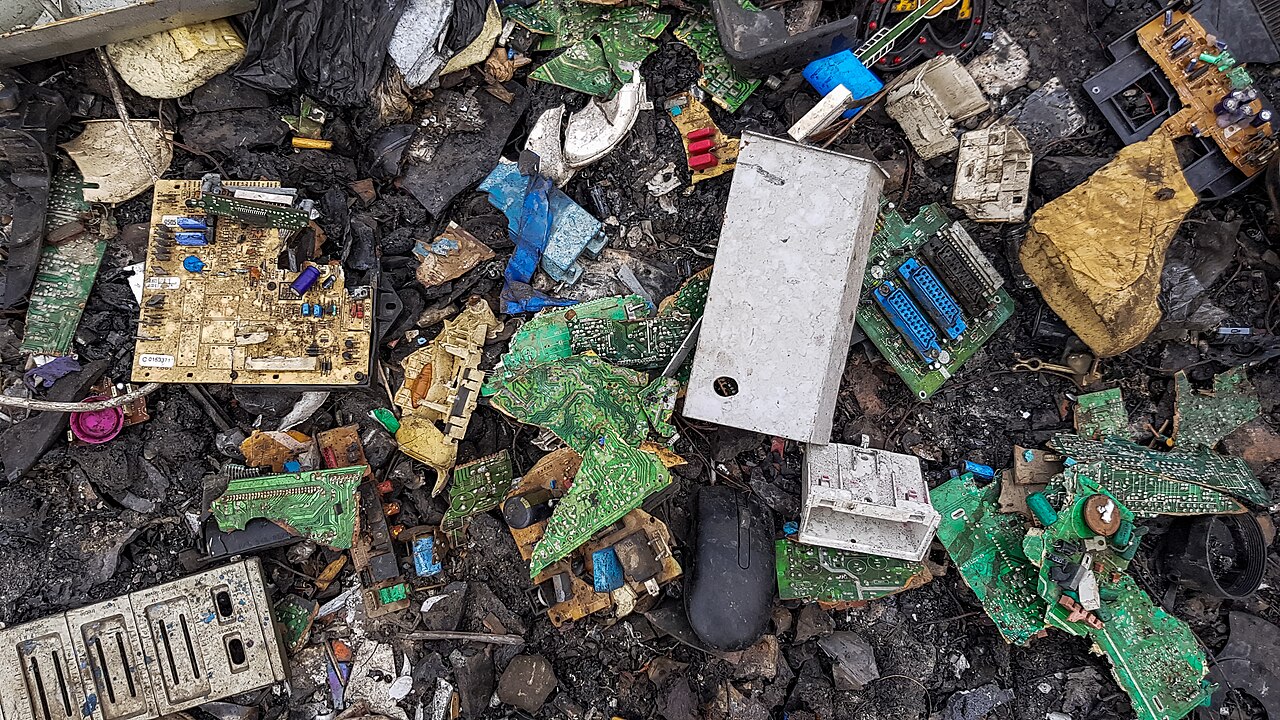
See how AI-powered robots are revolutionizing e-waste recycling across Europe! Inside the historic German town of Goslar, a sprawling industrial complex grapples with an ever-increasing tide of discarded electronics. This electronic waste, or e-waste, presents a significant environmental challenge, but innovative solutions – specifically, AI-powered robots – are offering a new approach to tackling this growing problem.
Electrocycling GmbH, one of Europe’s largest e-waste recycling facilities, processes up to 80,000 tonnes annually. This diverse waste stream includes everything from smartphones and laptops to televisions and appliances, each containing valuable materials but also hazardous components like lithium batteries. The sheer volume and complexity of this material make traditional recycling methods increasingly difficult and labor-intensive. The keyword here is ‘e-waste’, a critical concern for sustainable practices.
Manual Dismantling: A Laborious Process
Despite advanced machinery, a significant portion of Electrocycling’s operations relies on manual dismantling. Skilled workers meticulously sort the incoming waste, carefully removing batteries – a critical step due to their fire hazard potential – and preparing the components for further processing. As Managing Director Hannes Fröhlich notes, “There are more and more devices, they are getting smaller, and they all contain lithium batteries, some of which are permanently installed, soldered in place.” This painstaking work highlights the challenges inherent in handling e-waste:
- Diverse Device Designs: The constant evolution of electronic products leads to a bewildering array of designs and component configurations. This creates complexity for any recycling process.
- Battery Complexity: Lithium batteries, increasingly prevalent in modern devices, pose significant risks during dismantling due to their potential for thermal runaway (fires). The proper handling of these batteries is paramount.
ReconCycle: Robotics Redefined
Recognizing the limitations of purely manual processes, a groundbreaking EU-funded research initiative, ReconCycle, is deploying adaptable AI-supported robots. Spearheaded by researchers from Slovenia, Germany, and Italy at the Jožef Stefan Institute, this project aims to automate e-waste preparation, addressing the key issue of robot inflexibility.
Dr. Aleš Ude, head of the Department of Automatics, Biocybernetics and Robotics, explains the core innovation: “We wanted to expand robotics, introduce robots where there aren’t any yet.” The team developed robots capable of reconfiguring themselves for different tasks – a capability previously unattainable in traditional robotic systems. This represents a significant advancement in automated recycling.
Adapting to Complexity
The ReconCycle robots focus on two particularly problematic items: smoke detectors and radiator heat metres, which are frequently replaced every 5-8 years. These devices contain lithium batteries that pose a fire hazard during recycling. The robots use state-of-the-art AI to identify and safely remove these batteries with precision.
- Modular Hardware: ReconCycle’s robots utilize modular hardware components, allowing for rapid reconfiguration when new device types are introduced. This adaptability is key to long-term viability.
- AI-Driven Adaptation: Advanced AI algorithms enable the robots to learn and adapt to different tasks, minimizing downtime and maximizing efficiency. This intelligent automation minimizes waste and maximizes resource recovery – a core principle of responsible e-waste recycling.
A Collaborative Solution
The research team collaborated closely with Electrocycling GmbH to create a robotic work cell. This system combines adaptable robotics with safety features like collaborative robots and emergency stop buttons. The project’s success relies on international collaboration, bringing together expertise in robotics, AI, and e-waste recycling. Collaboration is vital for widespread adoption of these technologies.
Summary: AI-powered robots are transforming the European e-waste landscape by automating complex tasks like battery removal, offering a safer, more efficient, and adaptable solution to this growing environmental challenge. The key to successful ‘e-waste’ management lies in innovative approaches like ReconCycle.
Source: Read the original article here.
Discover more tech insights on ByteTrending.
Discover more from ByteTrending
Subscribe to get the latest posts sent to your email.