
See How Multimodal AI is Revolutionizing Genetic Research
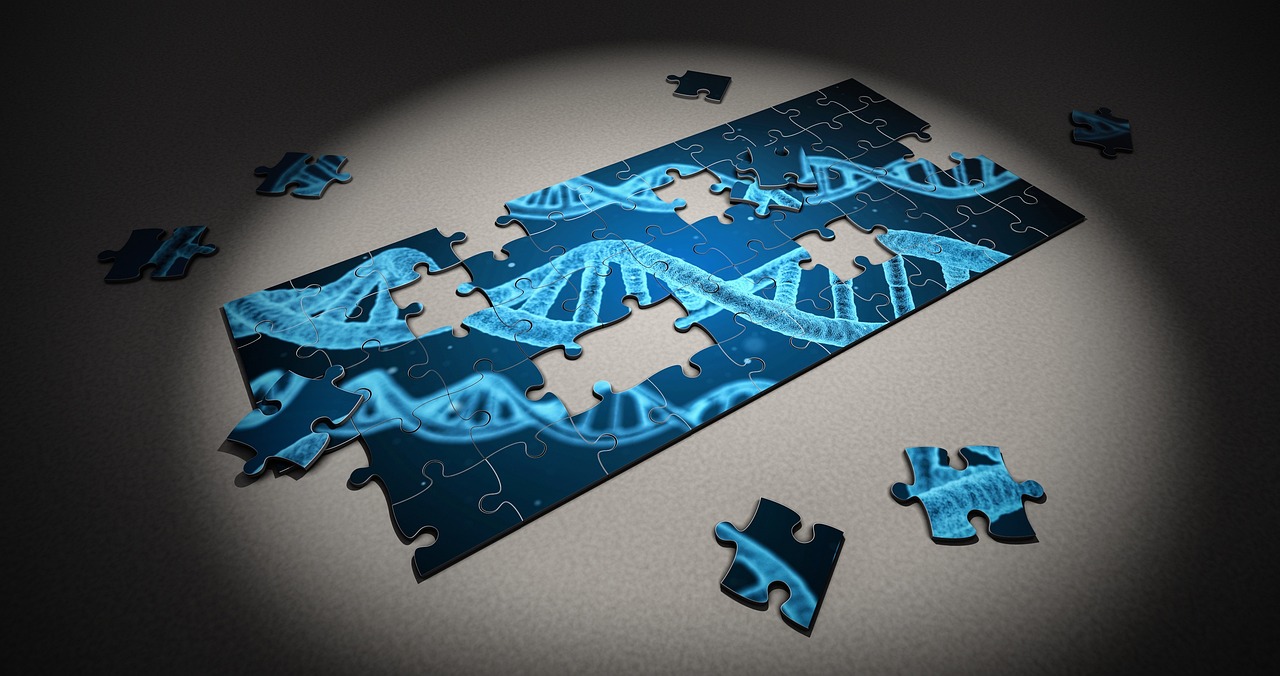
Generative AI is rapidly transforming numerous fields, and its potential in genetics is particularly exciting. Researchers at Google DeepMind have developed a novel approach – M-REGLE (Multimodal Regulatory Learning) – that leverages the power of generative AI to uncover intricate relationships within genomic data, predicting regulatory elements and accelerating genetic research for disease modeling and drug discovery. M-REGLE uses generative AI to analyze multimodal genomic data, predicting regulatory elements and accelerating genetic research for disease modeling and drug discovery.
The Challenge: Decoding Complex Gene Regulation
Gene regulation is a notoriously complex process. It’s not simply about which genes are ‘on’ or ‘off’; it’s about how, when, and where those genes are expressed – influenced by a vast network of factors including DNA sequences, epigenetic modifications, and environmental signals. Traditional methods for analyzing this data often struggle to capture the full picture, particularly when dealing with large, high-dimensional datasets. The intricate nature of gene regulation necessitates innovative approaches like M-REGLE.
Introducing M-REGLE: A Generative AI Approach
M-REGLE tackles this challenge head-on by employing a generative AI model trained on multimodal genomic data. This means it’s not just analyzing DNA sequences; it’s also considering information from sources like chromatin accessibility maps (which show where modifications to DNA occur), RNA expression levels, and even cellular phenotypes. The key innovation lies in the model’s ability to ‘imagine’ potential regulatory relationships that might be missed by traditional analytical techniques. M-REGLE is a significant advancement in our understanding of complex biological systems.
How does M-REGLE work?
The system utilizes a diffusion model – a type of generative AI known for creating realistic images – but adapts it to predict regulatory elements. The model is trained to gradually remove noise from data, effectively learning the underlying patterns and relationships within the genomic landscape. By iteratively refining its predictions, M-REGLE can identify subtle connections between different types of genetic information that might be too complex for humans to discern. This approach allows for a deeper exploration of gene regulatory networks.

Key Findings and Future Implications
The initial experiments with M-REGLE have yielded impressive results. The system accurately predicted regulatory elements in human cells, demonstrating its ability to capture the nuances of gene regulation. Furthermore, it identified previously unknown relationships between DNA sequences and their corresponding expression patterns. This capability has significant implications for several areas:
- Disease Modeling: By understanding how genetic variations contribute to disease development, M-REGLE can help researchers build more accurate models of complex diseases like cancer and autoimmune disorders.
- Drug Discovery: The system can potentially identify novel drug targets by pinpointing regulatory elements that are dysregulated in diseased cells. The predictive power of this system is transformative for the pharmaceutical industry.
- Personalized Medicine: M-REGLE’s ability to analyze individual genomic data could lead to the development of personalized therapies tailored to a patient’s specific genetic makeup. The potential for customized treatments based on individual genomic profiles is substantial.
Looking Ahead: Expanding the Scope of M-REGLE
The Google DeepMind team is now working on expanding the scope of M-REGLE, exploring its application to other organisms and disease types. They are also investigating ways to integrate additional data sources – such as clinical information – to further refine the model’s predictions. This research represents a significant step forward in our ability to harness the power of AI to unlock the secrets of the genome. The ongoing development promises even more groundbreaking discoveries.
Source: Read the original article here.
Discover more tech insights on ByteTrending.
Discover more from ByteTrending
Subscribe to get the latest posts sent to your email.