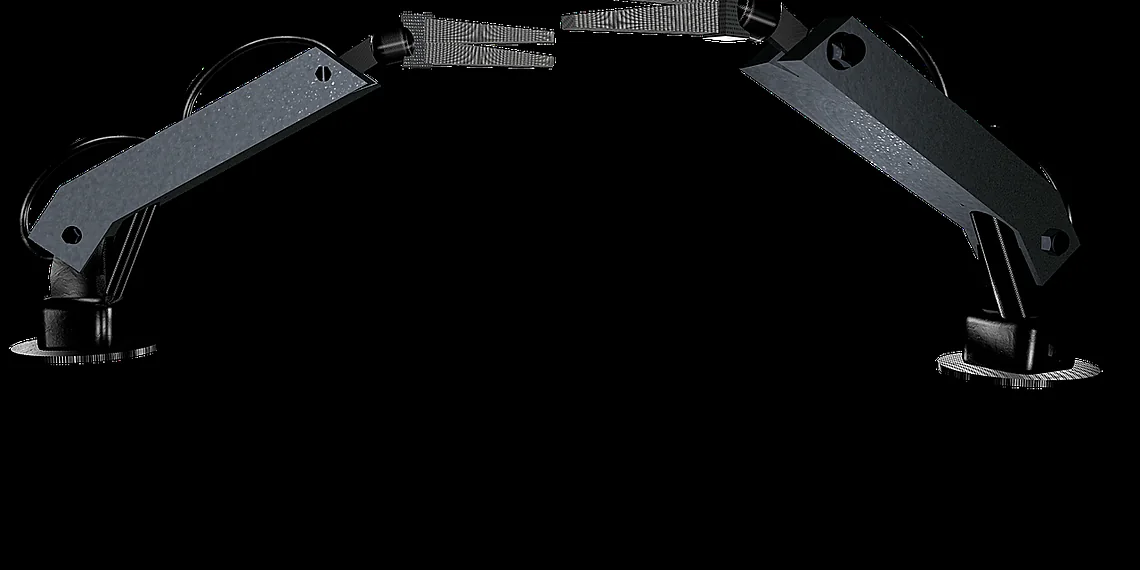

The world of robotics is undergoing a radical transformation, thanks to a recent experiment funded by the Pentagon’s Defense Advanced Research Projects Agency (DARPA). Researchers at Columbia University have successfully created machines that can not only move but also grow – and they do so by consuming other robots. This isn’t just incremental improvement; it represents a fundamental shift towards what scientists are calling “robot metabolism,” an early step in mimicking biological growth patterns within artificial intelligence. The research on ‘robot metabolism’ is truly innovative.
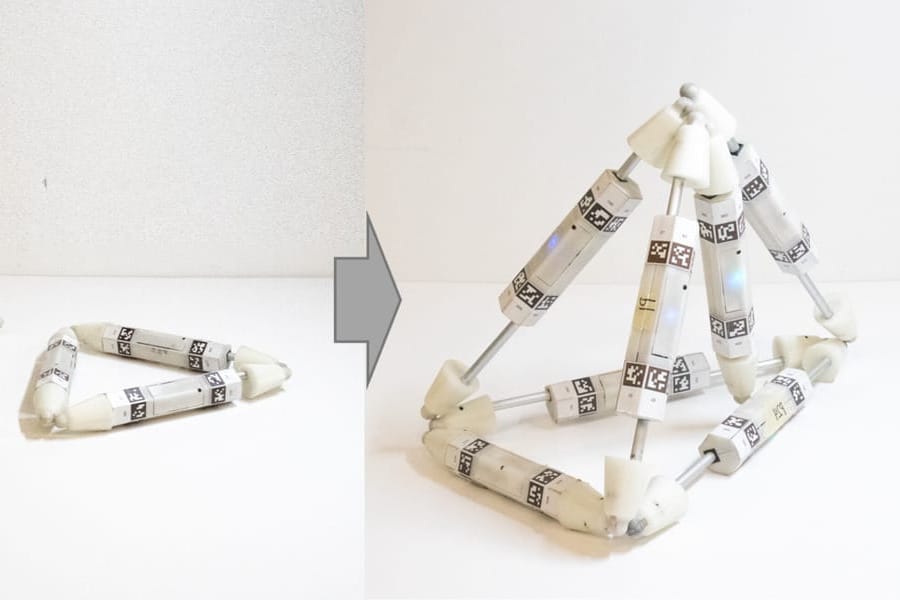
This groundbreaking research, published in the journal Science Advances, centers around a team of tubular robots designed to move across surfaces. These robots, equipped with sensors and actuators, initially operate as individual units, extending their shafts to navigate their environment. The core innovation lies in their ability to capture and integrate other robots into their structure. When a robot encounters another, it extends its shaft, pulls the second robot in, and then connects them – forming larger, more complex shapes like triangles and tetrahedrons. This allows for a significant improvement in performance.
How the ‘Consumption’ Process Works: A Complex Algorithm
The process isn’t simply about attaching robots; it involves a sophisticated algorithm that governs how the new components are integrated. The team utilized a technique called “directed assembly,” where the robots actively choose which other robots to consume and how to incorporate them into their structure. This directed assembly is crucial because it allows the system to optimize its shape and movement efficiency with each addition. As more robots are consumed, the overall speed and grace of the assembled structure dramatically increase. Furthermore, the team is investigating methods for controlling the ‘consumption’ process remotely. They’re exploring ways to dictate which robots should be targeted for integration, allowing for a greater degree of control over the evolving robot’s form and function. This level of control is essential for practical applications in environments where unpredictable situations may arise. The ability for a robot to ‘eat’ and evolve offers a biological style body for AI – something researchers have been striving for.
Implications for Future AI & Robotics
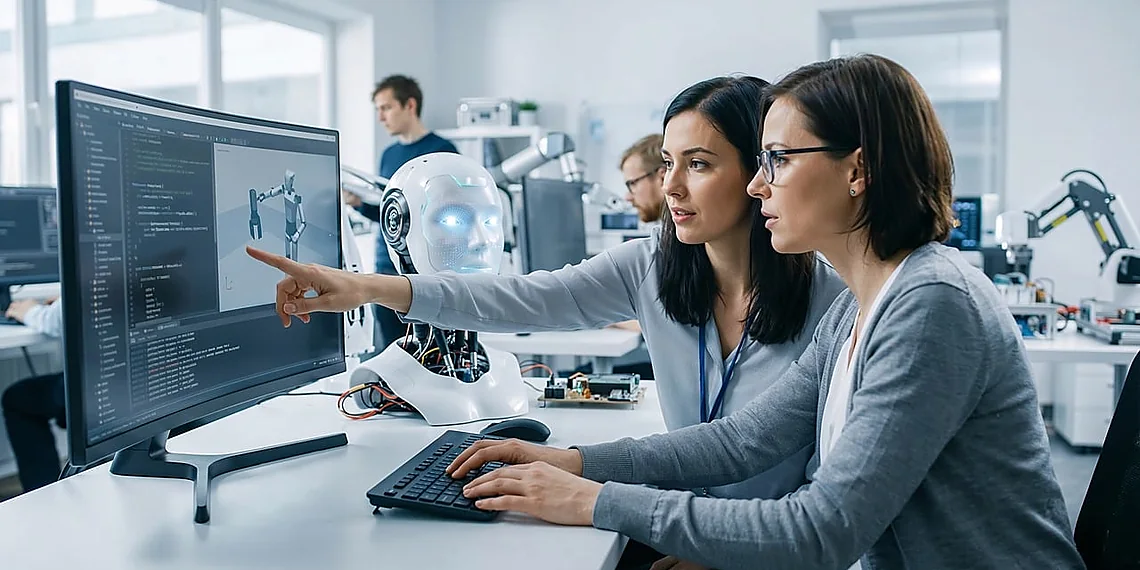
The implications of this research are far-reaching. While still in its early stages, this “robot metabolism” concept could revolutionize robotics design and potentially lead to the creation of highly adaptable and resilient robots capable of self-replication and complex problem-solving. Imagine robots that can autonomously repair themselves or build structures by consuming existing materials. This experiment is not just about building smarter robots; it’s about fundamentally rethinking how we approach artificial intelligence and robotics development. The concept of a ‘robot metabolism’ highlights the potential for truly autonomous systems. Moreover, it opens doors for developing autonomous systems that can adapt to changing environments without requiring human intervention.

Keywords: Robots, AI, DARPA, Columbia University, Robotics, Metabolism, Self-Replication, Directed Assembly, Artificial Intelligence.
Categories: PC, Tech, Review, Science, Curiosity
Source: Read the original article here.
Discover more tech insights on ByteTrending.
Discover more from ByteTrending
Subscribe to get the latest posts sent to your email.