

Unlocking the Mysteries of Non-Coding DNA
For decades, researchers focused primarily on coding DNA – the sequences that directly translate into proteins and dictate an organism’s traits. However, a significant portion of our genome doesn’t code for anything recognizable. This largely unexplored territory is known as **non-coding DNA**, and recent advancements reveal it holds immense potential in understanding human health and disease. The exploration of **non-coding DNA** has been revolutionized by the application of artificial intelligence, providing unprecedented insights into its complex functions. The field promises transformative changes across medicine and personalized wellness strategies.
What is Non-Coding DNA?
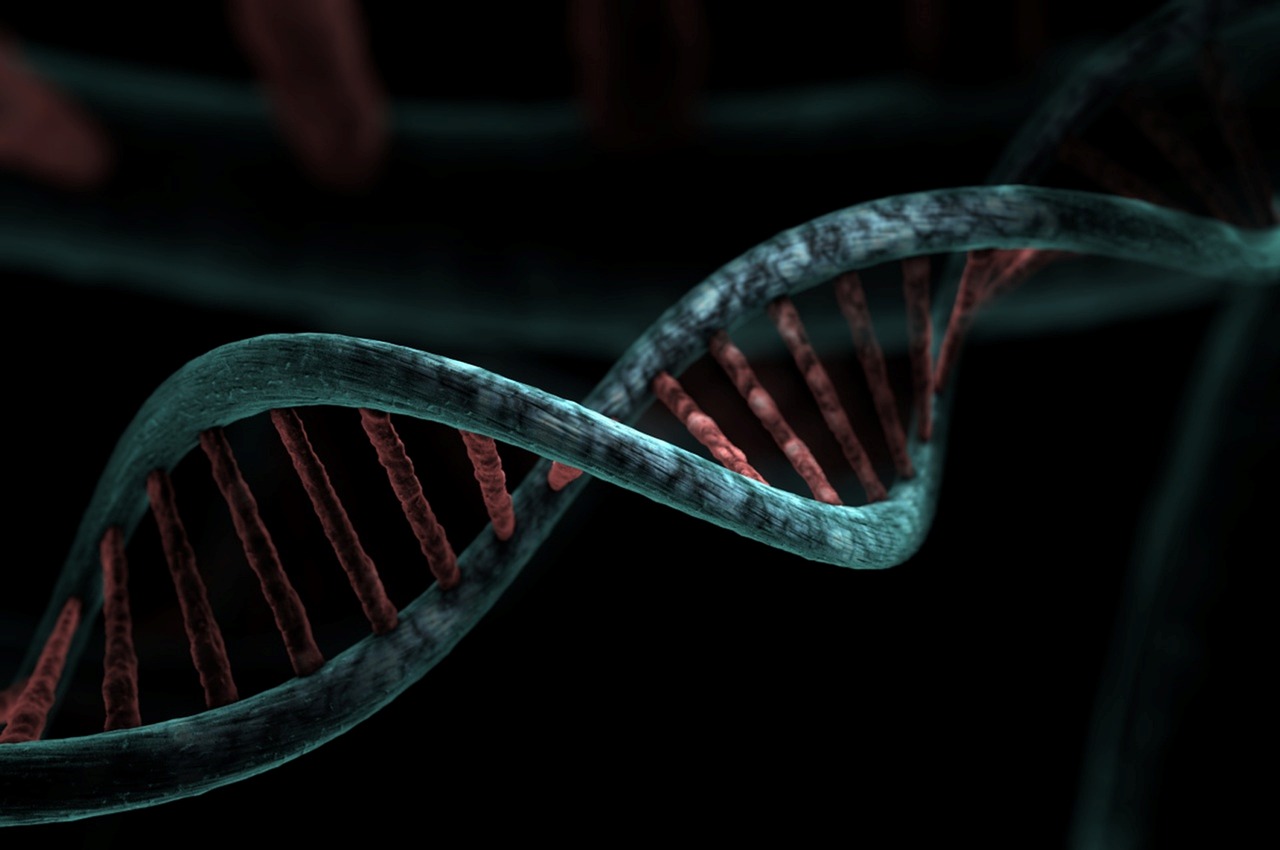
It’s crucial to understand that ‘non-coding’ doesn’t mean useless. Roughly 98% of the human genome consists of non-coding DNA, including regulatory sequences, introns within genes, and various repetitive elements. These regions play vital roles in controlling gene expression, maintaining chromosome structure, and even influencing cellular behavior. Initially dismissed as “junk DNA,” research now demonstrates that these sequences are far from inert; they actively contribute to our biology. Many scientists believe studying **non-coding DNA** will be key to unlocking several diseases.
Regulatory Elements: Orchestrating Gene Expression
One of the primary functions of non-coding DNA lies in regulating gene expression – determining which genes are turned on or off at any given time. Promoters, enhancers, and silencers are specific sequences within non-coding regions that bind to proteins (transcription factors) influencing how much mRNA is produced from a corresponding gene. Dysregulation of these elements due to mutations or variations in non-coding DNA can lead to abnormal gene expression patterns, contributing to the development of diseases like cancer and autoimmune disorders. Furthermore, variations in these regulatory sequences are increasingly recognized as major drivers of phenotypic diversity among individuals.
Beyond Genes: Structural Roles and Epigenetics
The influence of **non-coding DNA** extends beyond direct gene regulation. It plays a critical role in maintaining chromosome structure through repetitive elements like telomeres, which protect the ends of chromosomes. Moreover, non-coding DNA is heavily involved in epigenetic modifications – chemical alterations to DNA or its associated proteins that don’t change the underlying genetic sequence but affect gene expression. These modifications are heritable and can be influenced by environmental factors, adding another layer of complexity to our understanding of inheritance.
The Role of AI in Analyzing Non-Coding DNA
Recent breakthroughs in artificial intelligence are dramatically accelerating the analysis of non-coding DNA. Machine learning algorithms can identify subtle patterns and relationships within vast genomic datasets that would be impossible for humans to discern manually. Specifically, these tools can predict regulatory element function, identify novel genetic variants associated with disease risk, and even design targeted therapies based on an individual’s unique non-coding DNA profile. This technology is improving our understanding of the interplay between **non-coding DNA** and human health at an unprecedented pace.
Applications and Future Directions
The study of non-coding DNA is opening doors to a range of innovative applications in medicine and beyond. For example, researchers are using genomic data derived from non-coding regions to develop personalized diagnostics for diseases like Alzheimer’s and Parkinson’s disease. Furthermore, understanding the role of non-coding DNA in drug response could lead to tailored medication strategies based on an individual’s genetic makeup. The potential extends to agriculture – optimizing crop yields by manipulating regulatory sequences in plant genomes. Ultimately, continued research into **non-coding DNA** promises to reshape our approach to disease prevention and treatment.
Table: Comparison of Coding vs Non-Coding DNA
| Feature | Coding DNA | Non-Coding DNA |
|---|---|---|
| Function | Directly codes for proteins | Regulates gene expression, maintains chromosome structure, involved in epigenetics |
| Percentage of Genome | Approximately 1–5% | Approximately 98–99% |
| Complexity | Relatively simple sequences | Highly complex and diverse sequences |
In conclusion, the exploration of non-coding DNA represents a paradigm shift in our understanding of human biology. It’s clear that these once-overlooked regions are central to regulating life processes and contribute significantly to individual health differences. Ongoing research, particularly with the aid of AI, promises an even deeper appreciation of this vast genomic landscape and will undoubtedly lead to transformative advances in healthcare and beyond.
Source: Read the original article here.
Discover more tech insights on ByteTrending.
Discover more from ByteTrending
Subscribe to get the latest posts sent to your email.