
Evolving Robots: The Future of Automation
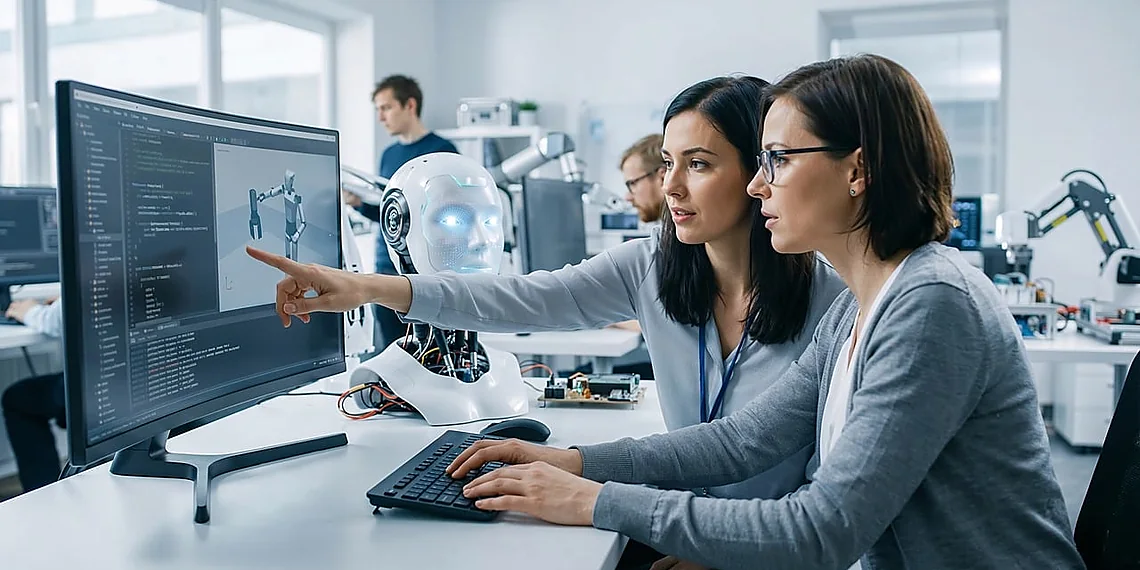
The field of robotics is undergoing a profound transformation, driven by relentless innovation and adaptation – a process we can best describe as evolving robots. No longer confined to repetitive tasks in factories, robots are now tackling incredibly complex challenges across diverse sectors, from space exploration and healthcare to logistics and even artistic endeavors. This isn’t simply about building more sophisticated machines; it’s about creating systems that learn, adapt, and collaborate with humans in increasingly intelligent ways. The core of this evolution lies in advancements like artificial intelligence (AI), machine learning, and evolutionary algorithms – techniques that allow robots to improve their performance over time without explicit programming.
The Rise of Intelligent Automation
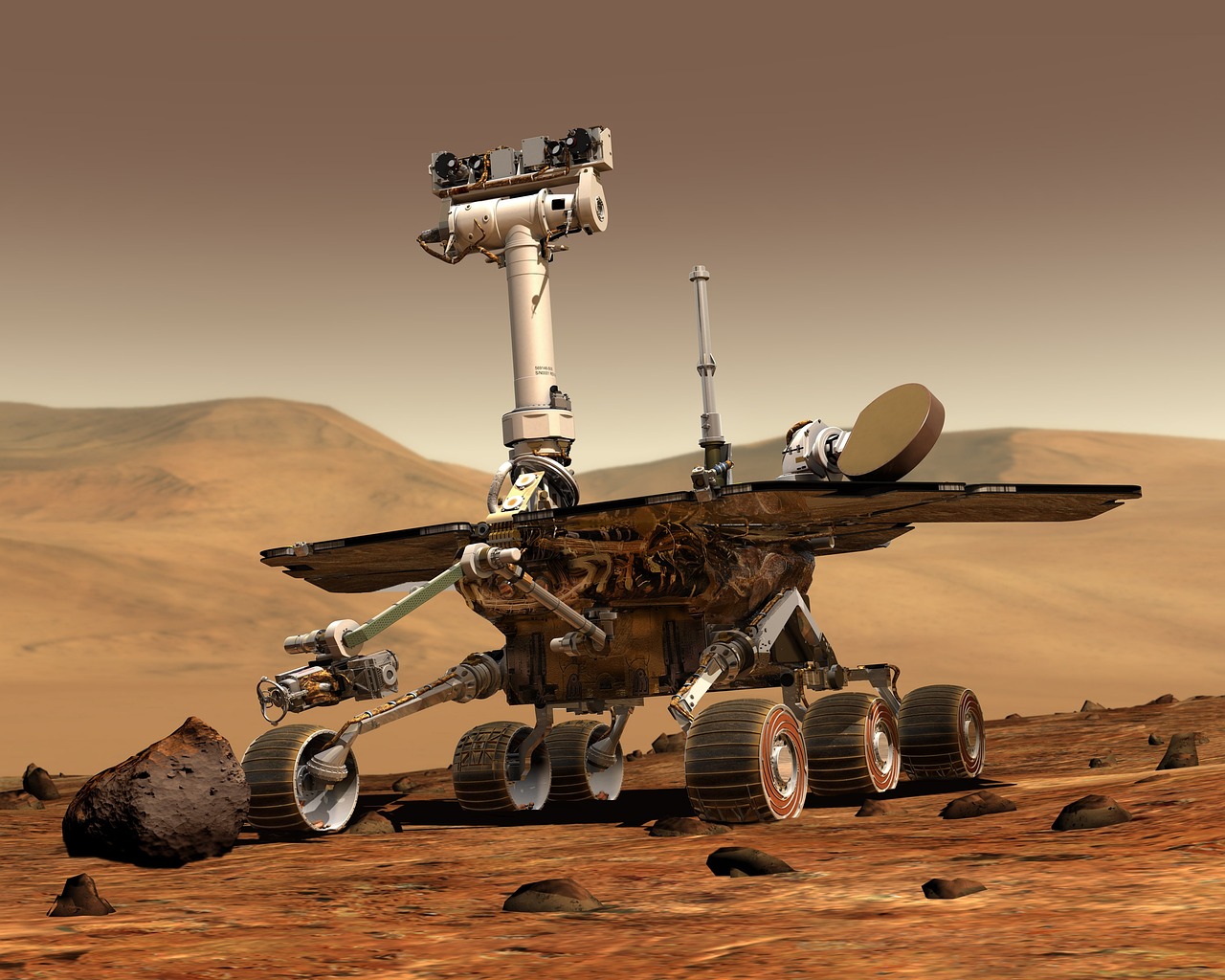
The impact of evolving robots is already being felt across industries. In manufacturing, collaborative robots or ‘cobots’ are working alongside human workers, assisting with tasks that are physically demanding or require high precision. This boosts productivity and reduces the risk of injury. But it extends far beyond traditional factories. Consider space exploration: rovers like Curiosity and Perseverance, equipped with advanced AI, autonomously navigate treacherous terrain, analyze samples, and transmit data back to Earth—all without direct human control. Similarly, in healthcare, robots are assisting surgeons during complex procedures, delivering medications, and even providing companionship to elderly patients. The ability of these systems to learn from experience is fundamentally changing how we approach problem-solving and execution.
Adaptability through AI and Machine Learning
A key element driving this evolution is the integration of artificial intelligence and machine learning. Robots are no longer programmed with rigid instructions; instead, they’re trained using vast datasets, allowing them to recognize patterns, make predictions, and adjust their behavior in real-time. This adaptive capability is particularly crucial in dynamic environments where unforeseen circumstances arise. Machine learning algorithms enable robots to continuously improve their performance as they gather more data – a process known as ‘learning by doing.’ For example, robotic vacuum cleaners use machine learning to map their homes and optimize cleaning routes, while self-driving cars rely on it to navigate complex traffic scenarios.


Evolutionary Algorithms: Mimicking Nature’s Ingenuity
Beyond traditional AI approaches, evolutionary algorithms are playing a pivotal role in shaping the future of evolving robots. These algorithms, inspired by natural selection, simulate the process of biological evolution – using principles like mutation and crossover to iteratively improve solutions to complex problems. In robotics, this means creating robot designs that are optimized for specific tasks through automated experimentation. A team can define goals and constraints, then let an evolutionary algorithm generate numerous robot configurations, evaluating each one’s performance until a near-optimal design emerges. This approach is particularly effective in scenarios where the optimal solution isn’t known beforehand, like designing robots for unstructured environments or developing adaptive locomotion systems.
Looking Ahead: A Symbiotic Future
The trajectory of robotics suggests a future characterized by increasingly sophisticated and adaptable machines – evolving robots. We can anticipate a greater degree of autonomy across industries, with robots taking on more complex tasks and collaborating seamlessly with humans. This isn’t about replacing human workers; it’s about augmenting our capabilities and creating new opportunities. As technology continues to advance, the line between human and machine will blur, leading to a future where we work alongside intelligent systems to achieve unprecedented levels of productivity and innovation. The continued development of AI, combined with robust hardware solutions, promises even more transformative changes in the years to come, cementing robots’ place at the forefront of technological progress.
Source: Read the original article here.
Discover more tech insights on ByteTrending.
Discover more from ByteTrending
Subscribe to get the latest posts sent to your email.