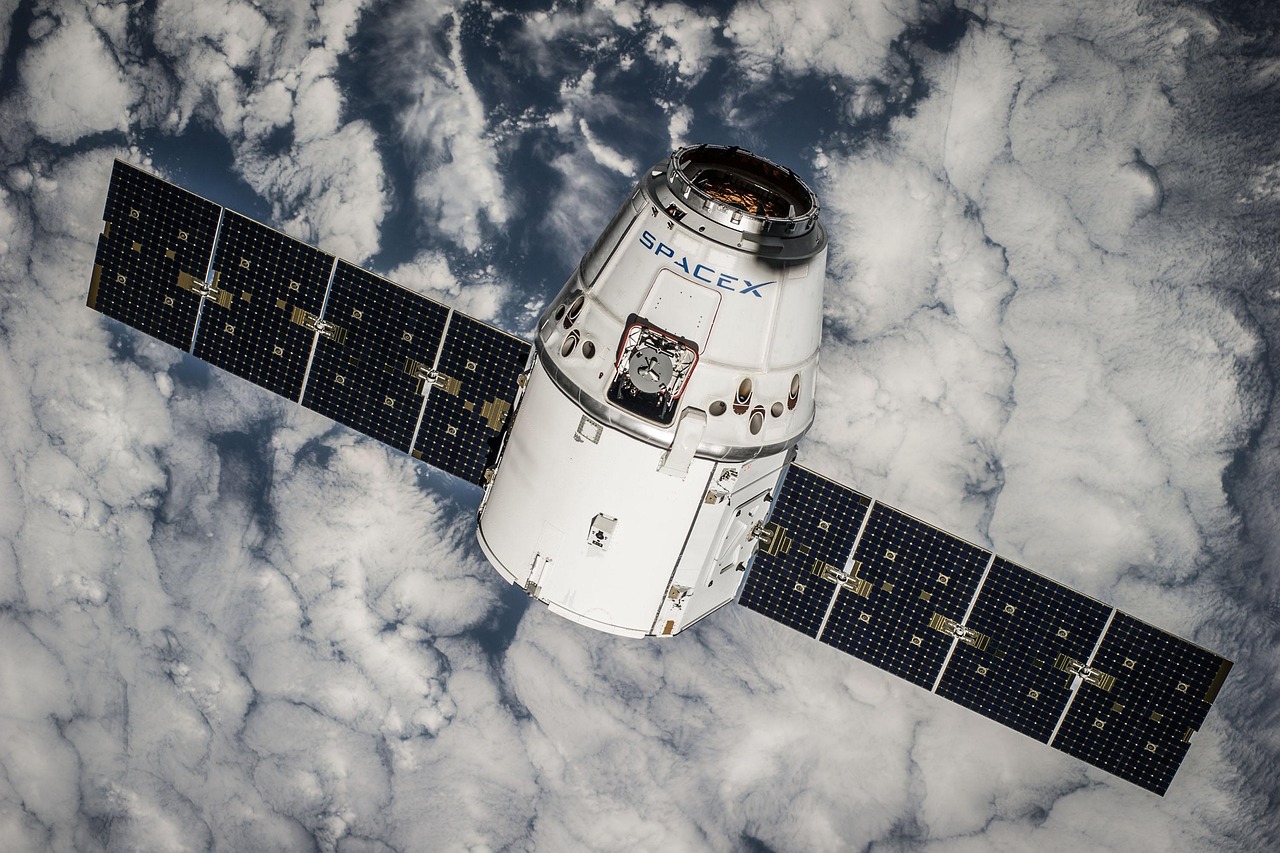

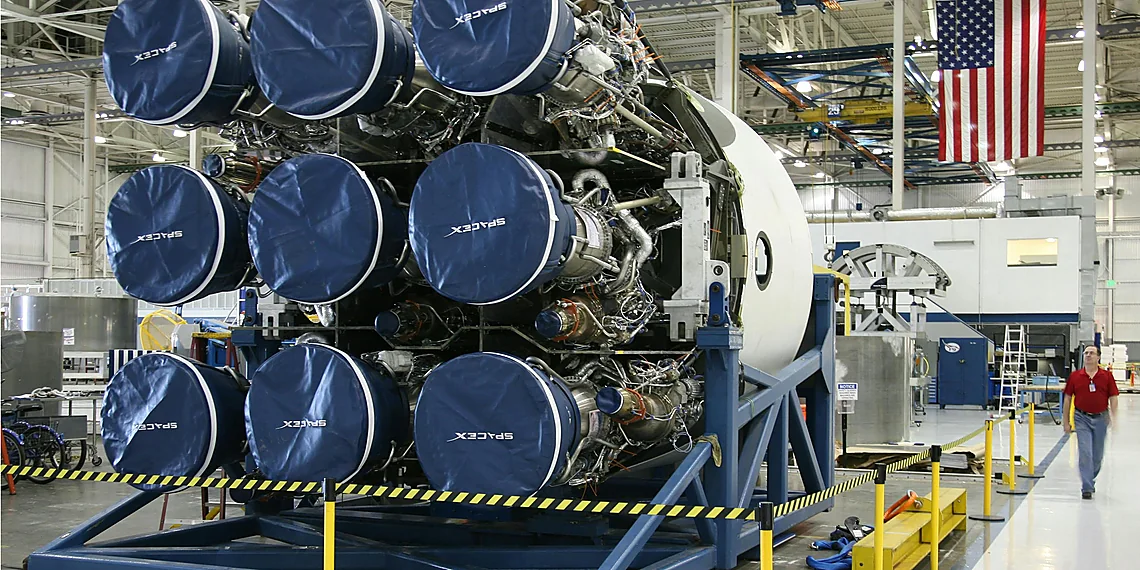

The ambitious Starship test flight program continues to evolve at SpaceX, aiming for a critical demonstration of its capabilities. Following several explosive setbacks during earlier orbital launches, the company is preparing for another attempt, slated for next weekend. This upcoming mission represents a pivotal moment in SpaceX’s quest to revolutionize space travel and ultimately establish humanity’s presence beyond Earth – a core element of their long-term goals. The success of this Starship test flight hinges on meticulously refined modifications and operational procedures designed to address the issues that plagued previous launches. As Elon Musk repeatedly emphasizes, learning quickly is paramount to the program’s advancement, and each iteration offers invaluable data for continuous improvement. This dedication to iterative development underscores SpaceX’s commitment to achieving a fully reusable transportation system capable of reaching the Moon, Mars, and beyond. The Starship test flight represents more than just another launch; it symbolizes a significant step towards realizing humanity’s destiny as an interplanetary species – a vision deeply rooted in SpaceX’s founding principles. Understanding the complexities of this undertaking is crucial for anyone interested in the future of space exploration. Further bolstering this ambition, SpaceX is focusing heavily on improved recovery procedures for the Super Heavy booster, aiming to capture it safely back on Earth after its burn. This dramatically increases operational efficiency and reduces overall mission costs, a key element in making Starship commercially viable. The company’s determination to master every aspect of the launch process – from engine performance to atmospheric re-entry – demonstrates their unwavering commitment to success.
Recent Explosions and Operational Pauses
The trajectory of SpaceX’s Starship program has been undeniably turbulent, characterized by dramatic failures during testing. Initial orbital launches in April and May ended abruptly with explosions, triggering extensive investigations into the root causes. These incidents were undoubtedly costly – both financially and in terms of valuable test data – however, they haven’t deterred Elon Musk and his team from pushing forward. The core objective remains unchanged: to develop a fully reusable transportation system capable of carrying humans and cargo to the Moon, Mars, and beyond. The initial launches weren’t entirely without success. The Super Heavy booster performed admirably during its first few burns, demonstrating significant thrust capabilities. However, issues with the Starship upper stage – specifically related to propellant management and engine performance – ultimately led to the catastrophic failures. SpaceX has been diligently analyzing telemetry data and conducting post-flight inspections to pinpoint the exact points of failure. Furthermore, the lessons learned from these initial attempts are directly informing the design modifications planned for this upcoming test flight. The ability to rapidly analyze and respond to setbacks is a defining characteristic of SpaceX’s approach to engineering – a philosophy that prioritizes adaptability and innovation. The meticulous nature of their investigation process, combined with their willingness to embrace change, underscores their commitment to delivering a successful orbital demonstration. The Starship project’s success relies heavily on this iterative design cycle.
Addressing Propellant Management
One of the primary challenges identified during the previous launches was related to propellant management within the Starship upper stage. Preliminary investigations suggest that variations in engine performance and control systems contributed significantly to the instability observed during flight. To mitigate these issues, SpaceX has implemented several key modifications, including adjustments to the Raptor engines’ propellant flow rates, aiming for more consistent combustion and improved thrust control. These refined settings are expected to provide greater stability throughout the ascent phase – a critical factor in ensuring a successful orbital trajectory. In addition, enhanced thermal protection systems around the vehicle’s nose cone have been installed, addressing concerns about aerodynamic heating during atmospheric re-entry. The implementation of these improvements represents a direct response to the data collected from the previous failed launches and demonstrates SpaceX’s proactive approach to problem-solving. Moreover, refined guidance algorithms are being employed to enhance precision and control during critical phases of the flight; this will further refine the overall stability of the system. These adjustments collectively represent a significant step towards improving the reliability of the Starship upper stage – a vital component in achieving the mission’s objectives. The data collected from these modifications is then fed back into the design process, ensuring continuous refinement and optimization.
Enhanced Thermal Protection Systems
The recent explosive setbacks highlighted vulnerabilities within the vehicle’s thermal protection system, particularly concerning the nose cone during atmospheric re-entry. Consequently, SpaceX has implemented enhanced thermal protection measures designed to withstand extreme heat loads – a crucial factor in ensuring a controlled descent and landing sequence. These modifications include deploying advanced ablative materials that effectively dissipate heat away from the spacecraft’s exterior surfaces. The use of these improved systems is intended to minimize aerodynamic stress during re-entry, which could contribute to instability or structural damage. Furthermore, the company’s commitment to rigorous testing – including wind tunnel simulations and high-speed drop tests – has allowed them to validate the effectiveness of their thermal protection enhancements prior to launch. The successful implementation of these measures is paramount for a controlled landing; it represents a critical step toward achieving the mission’s objectives. The data gathered during this test flight will be invaluable in refining these systems further, ultimately contributing to a more robust and reliable Starship design.
Planned Modifications and Preparations
Following the last launch’s demise, SpaceX swiftly implemented a series of modifications to the Starship design and operational procedures. These changes include adjustments to the Raptor engines’ propellant flow rates, enhanced thermal protection systems around the vehicle’s nose cone, and refined guidance algorithms. The goal is to mitigate the previously identified issues and improve the overall reliability of the system.
Source: Read the original article here.
Discover more tech insights on ByteTrending.
Discover more from ByteTrending
Subscribe to get the latest posts sent to your email.