
Reusability: Boost Code & Save Time – The Ultimate Guide
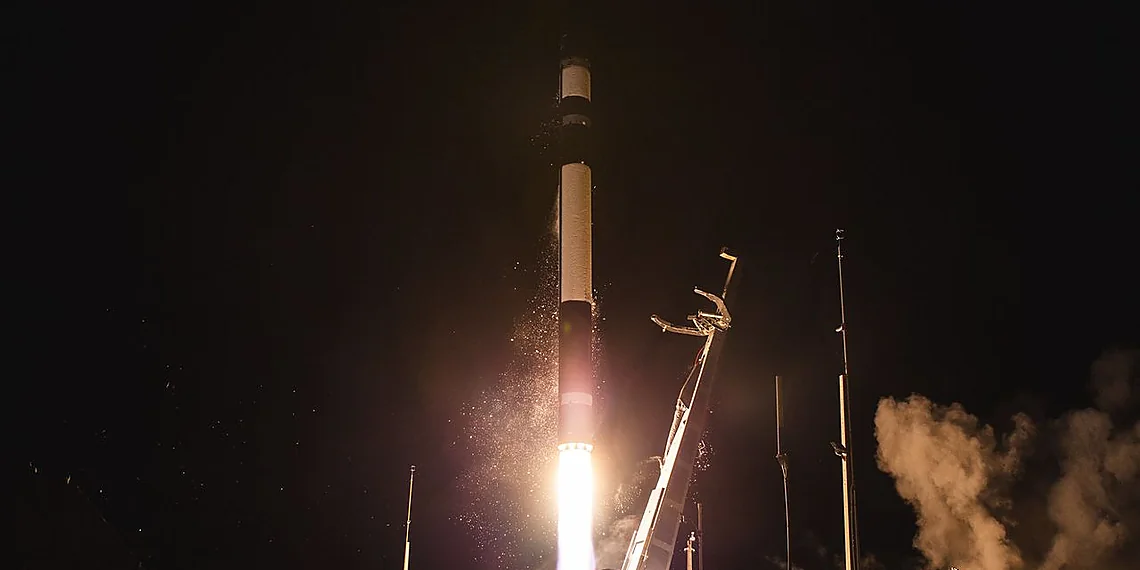
Space enthusiasts, prepare for an exciting development! According to a recent report by Ars Technica on October 2nd, Blue Origin, the US-based aerospace company, is planning to recover and reuse its propulsors during the upcoming New Glenn rocket flight. This ambitious endeavor paves the way for future lunar missions. Maximizing component reusability is a key strategy in modern engineering, and this approach extends far beyond rockets.
The New Glenn’s Inaugural Flight & Recovery Plans
Blue Origin’s New Glenn is poised to make history with its inaugural launch scheduled for January 16, 2025. This first flight isn’t just about reaching orbit; it marks a critical step in the company’s reusable rocket technology development program. The core of this plan involves retrieving and refurbishing the BE-4 engines that power the New Glenn. Consequently, the success of these recovery efforts will significantly impact future space exploration endeavors. Furthermore, learning from this initial attempt will be crucial for refining processes used on subsequent missions.
Understanding the Engine Recovery Process
The process of recovering and reusing rocket engines is incredibly complex, requiring precise engineering and sophisticated logistics. For instance, after separating from the New Glenn, the BE-4 engines must be guided back to Earth using advanced navigation systems. Meanwhile, teams on the ground will be preparing for a controlled landing and subsequent inspection. Therefore, meticulous planning and real-time adjustments are essential throughout this operation.
The Significance of Refurbishment
Simply recovering an engine isn’t enough; it must also undergo thorough refurbishment to ensure its continued reliability. For example, components might need replacement, damage repair, or performance recalibration. Additionally, data collected during the first flight will inform future improvements to the refurbishment process, further enhancing efficiency and reducing downtime. The focus on reusability ensures sustainable space travel.
Why Propulsor Recovery Matters
- Cost Reduction: Reusing rocket components significantly lowers mission costs, a major hurdle in space exploration.
- Increased Launch Frequency: Recovered and reusable engines allow for faster turnaround times between launches.
- Lunar Mission Enablement: The expertise gained from New Glenn propulsor recovery will be directly applicable to future lunar missions, crucial for sustained presence on the Moon.
The BE-4 engine is a powerful liquid methane/liquid oxygen engine that will not only propel the New Glenn into orbit but also contribute to Blue Origin’s ambitions of reaching and utilizing lunar resources. Consequently, advancements in reusability are pivotal for achieving these goals.
Lunar Mission Implications
Blue Origin’s ultimate goal extends beyond Earth orbit. The ability to recover and reuse rocket engines is a vital component of their broader lunar exploration strategy. A reusable launch system dramatically reduces the cost barrier for missions transporting cargo, habitats, and eventually people to the Moon. This directly supports NASA’s Artemis program and Blue Origin’s own ambitions for establishing a long-term human presence on the lunar surface. As a result, advancements in reusability are critical.
Challenges in Lunar Mission Reusability
Implementing reusability for lunar missions presents unique challenges beyond engine recovery. For example, landing gear and other components must also be designed for repeated use under the harsh conditions of the lunar environment. Notably, radiation shielding and dust mitigation are significant considerations to ensure long-term operational reliability. Therefore, a holistic approach to component design is essential.
The Future of Lunar Exploration
Looking ahead, Blue Origin’s vision for lunar exploration hinges on its ability to create a sustainable and affordable transportation system. As a result, continued investment in reusability technologies will be paramount. Furthermore, collaboration with other space agencies and private companies will accelerate innovation and pave the way for a vibrant lunar economy. The focus on reusability is not just about cost savings; it’s about enabling humanity’s return to the Moon and beyond.
Looking Ahead
Blue Origin’s commitment to reusable rocket technology represents a significant advancement in space exploration. The New Glenn’s upcoming flight and the subsequent propulsor recovery are not just milestones; they are demonstrations of innovation that will shape the future of space travel, paving the way for sustainable lunar missions and beyond. Ultimately, the principles behind this approach – minimizing waste and maximizing efficiency – can be applied to countless other industries, showcasing the broad benefits of embracing reusability.
Source: Read the original article here.
Discover more tech insights on ByteTrending.
Discover more from ByteTrending
Subscribe to get the latest posts sent to your email.