


Preparing for the Lunar Landscape
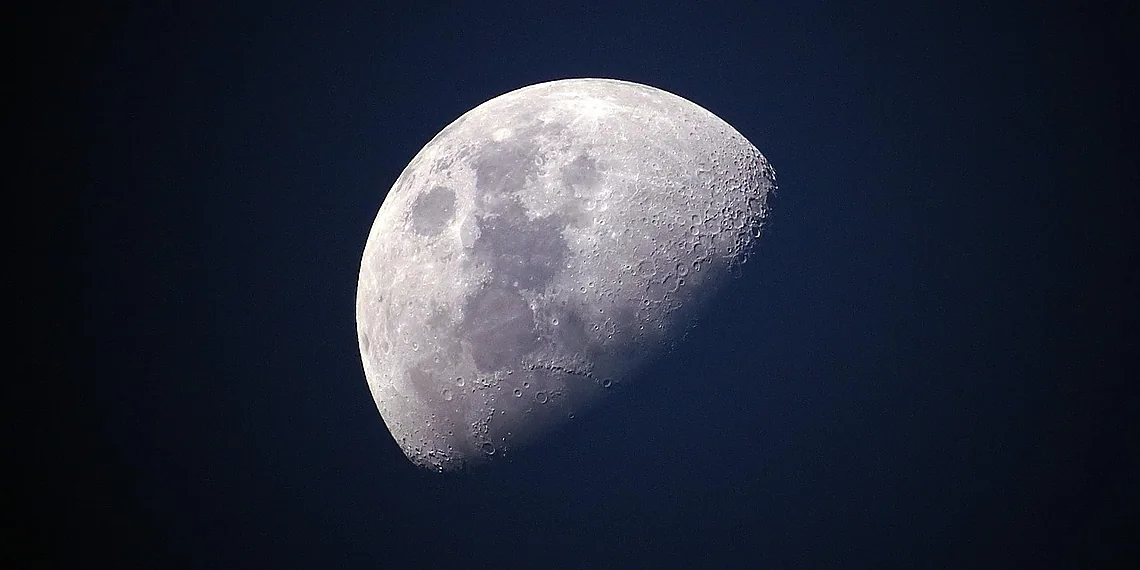
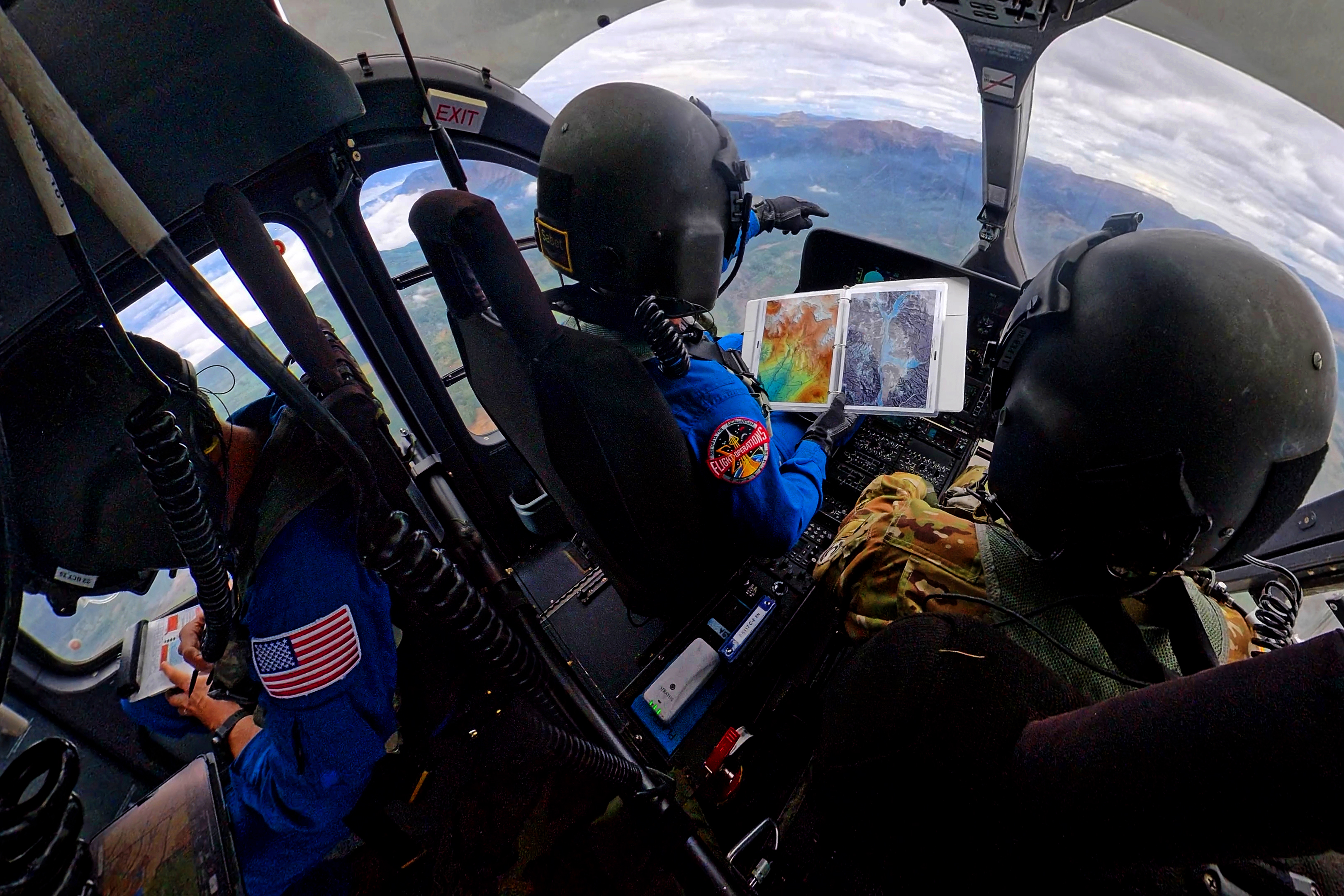
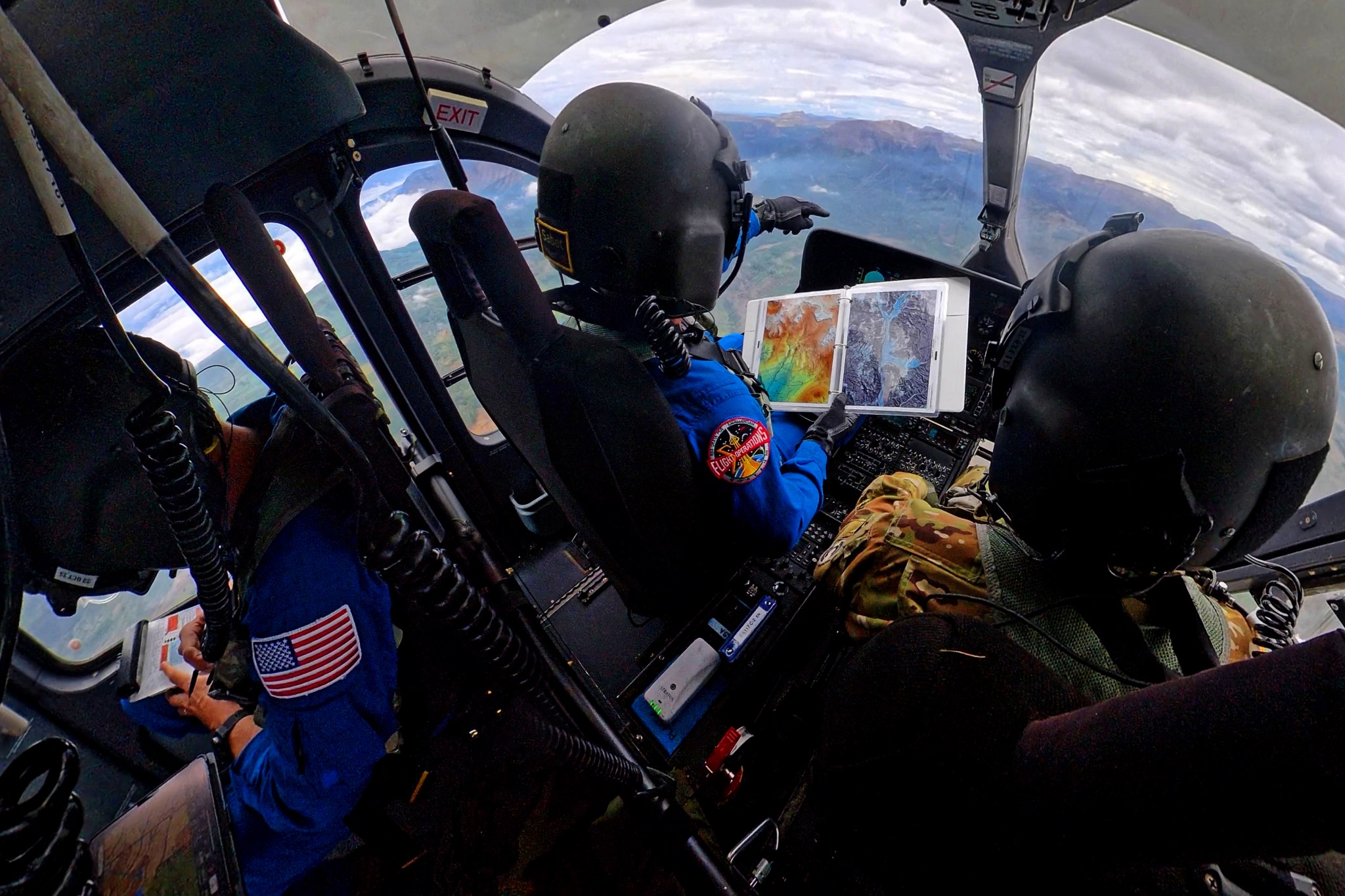
NASA’s Artemis program represents a monumental leap in space exploration, aiming to return humans to the Moon and eventually pave the way for missions to Mars. A critical yet often overlooked aspect of this ambitious endeavor is astronaut training. Recognizing that lunar terrain presents unique challenges, NASA has developed an innovative helicopter training program in the Rocky Mountains, meticulously designed to simulate those conditions and ensure astronauts are fully prepared for their upcoming lunar missions. This specialized course focuses on adapting terrestrial skills to the realities of operating on a celestial body.
The Unique Challenges of Lunar Landing
Simulating Lunar Gravity and Terrain
Landing on the Moon isn’t as straightforward as landing on Earth. The lower gravity, combined with uneven terrain and limited visibility due to lunar dust, creates a complex environment for pilots. To replicate these conditions, NASA selected locations in Colorado’s Rocky Mountains that closely resemble the lunar surface—both visually and physically. Furthermore, the mountainous landscape generates similar visual illusions experienced during lunar landings, requiring astronauts to develop exceptional spatial awareness and precision.
Visual Illusions and Spatial Awareness
The lack of familiar reference points on the Moon can disorient pilots, leading to misjudgments about distance and altitude. The helicopter training program specifically addresses this issue by exposing astronauts to similar visual distortions in the mountains. For example, they practice landings on sloped surfaces and navigate through narrow valleys, honing their ability to accurately assess terrain and maintain control of the aircraft. Consequently, these exercises enhance their spatial awareness and overall situational judgment—essential skills for a successful lunar landing.
Why Helicopter Training?
Mimicking Flight Characteristics
Helicopters offer a unique advantage in simulating lunar flight dynamics. Unlike fixed-wing aircraft, helicopters can hover, ascend vertically, and maneuver precisely – capabilities that are vital for navigating the challenging lunar landscape. The course replicates these conditions to ensure astronauts feel prepared when piloting the descent module on the Moon’s surface. In addition, the environment itself simulates the unique flight characteristics encountered on the Moon, providing realistic training scenarios.
Adapting Terrestrial Skills
While robotic missions have provided invaluable data about the Moon, human presence is crucial for conducting in-depth scientific research and establishing a sustainable lunar base. Therefore, it’s paramount that astronauts possess not only technical expertise but also adaptability and problem-solving skills. The helicopter training program fosters these qualities by pushing them beyond their comfort zones and demanding quick thinking under pressure. Moreover, the certification run recently completed by NASA astronauts Matthew Dominick and Mark Vande Hei highlights the significance of adapting terrestrial skills to lunar operations.
The Broader Implications for Space Exploration
This specialized Artemis course represents more than just pilot training; it’s a testament to NASA’s commitment to innovation and meticulous preparation. The lessons learned from this program will undoubtedly benefit future missions, not only to the Moon but also to Mars and beyond. As we venture further into the cosmos, the ability to adapt terrestrial skills and technologies remains essential for ensuring astronaut safety and mission success. Ultimately, investing in comprehensive training programs like this one is an investment in humanity’s future among the stars.
Source: Read the original article here.
Discover more tech insights on ByteTrending.
Discover more from ByteTrending
Subscribe to get the latest posts sent to your email.